V&V4Transformation – Secure Automation Through Advanced Simulation

The V&V4Transformation project (Verification & Validation Methods and Toolchains for Mobility Transformation) develops and implements methods and toolchains to demonstrate the safety of automated driving functions and to ensure that safety is maintained continuously during operation. The focus is on the paradigm shift from purely real-world driving to the use of hybrid virtual simulation environments in the context of the certification of autonomous vehicles (Level 4 and Level 5).

V&V4Transformation
Operating Areas and Traffic Scenarios for Autonomous Vehicles

The Challenge: Complexity vs. Security

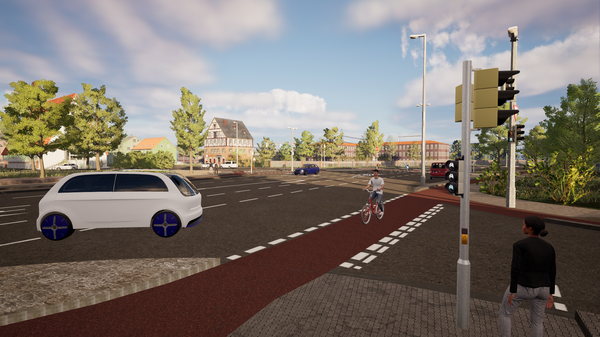
Operating areas and traffic scenarios for autonomous vehicles are "open-world" environments that are subject to constant change. Traditional “on-road testing” in the field is no longer sufficient to demonstrate safety. Instead, it is necessary to virtually certify vehicles both during the development phase and continuously during operation.

This requires:

  • Validated Digital Twins: High-precision representations of operational areas based on real-time data.
  • Efficient V&V Methods: Simulation technologies that enable the demonstration of safety (Safety of the Intended Functionality—SOTIF) in a cost-effective and reproducible manner.
  • Scalability: Methods that work from component development all the way through to system testing in real-world operational environments.

The Approach: From Digital Model to Simulation-Based Testing

V&V4Transformation
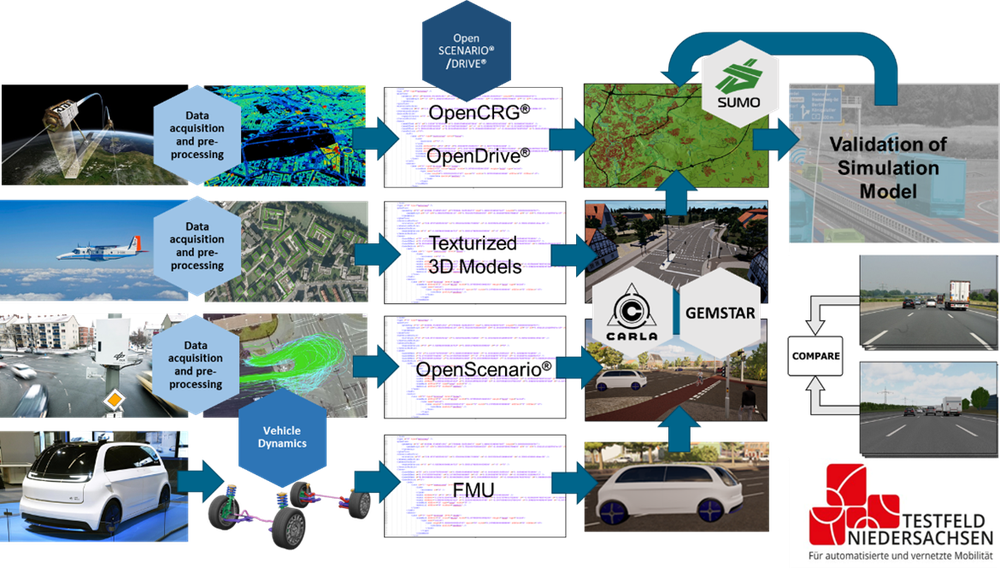
Examples of elements in the verification and validation framework, along with customer-specific toolchains built upon them

V&V4Transformation builds upon and extends the DLR's existing "NGC Simulation Framework." It takes an integrated approach that connects a wide variety of automotive simulators.

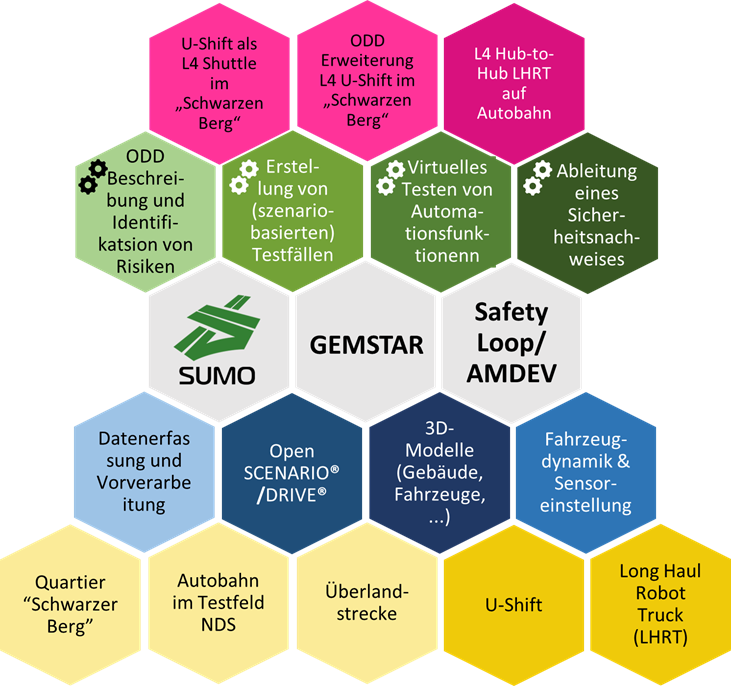
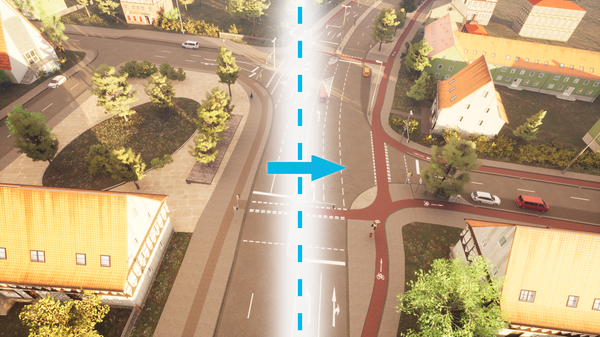
At the heart of the strategy is the automatable creation and use of validated digital twins for the development, testing, and certification of autonomous vehicles. These represent a virtual representation of a specific physical traffic area (including road infrastructure, buildings, and dynamic surrounding traffic). Based on these validated models, the project is developing efficient toolchains for:

  1. Risk assessment within defined operational domains (ODD).
  2. Creation of digital twins derived from real-world data.
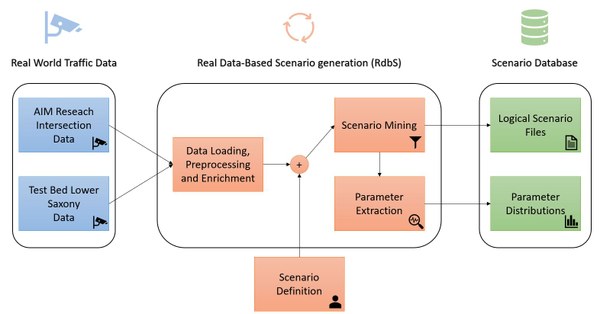
  3. Generation of critical test scenarios derived from real-world data and formal specifications.
  4. Simulation-based testing of automation functions against these scenarios to safely prepare software updates and ODD extensions.

Specific Use Cases & Demonstrators

The methods and toolchains developed are not only formulated theoretically but are also evaluated and demonstrated in real-world use cases. The focus is on urban mobility and logistics:

  • Urban Mobility in the “Schwarzer Berg” Neighborhood Braunschweig:
    Evaluation of an autonomous passenger transport system (L4 shuttles based on the U-Shift concept) in a complex urban neighborhood. This project demonstrates how simulation can be used to verify the safety of autonomous vehicles in densely built-up areas and how software functions can be continuously adapted to new requirements and situations.
  • Hub-to-Hub Logistics on the Highway:
    Evaluation of autonomous freight transport (Level 4 truck based on the "Long Haul Robot Truck," LHRT) in the Lower Saxony test field. The focus here is on ensuring the safety of intercity trips under various traffic conditions in order to make freight transport more efficient.
  • Networking & Knowledge Transfer:
    The project works closely with partners (including ACT4Transformation, IMoGer, and LORe) to maximize the potential for transferring the results to the broader mobility transformation and to develop standards for the certification of highly automated driving.

Project Objectives & Expected Results

The overarching goal of the V&V4Transformation project is to remove barriers to the market readiness of autonomous vehicles by developing methods for verifying and certifying them.

An Overview of the Key Objectives:

  • Digital Twin Factory: Development of automatable methods for creating validated digital twins of traffic areas..
  • Scenario-Based V&V: An efficient technology chain for defining risk assessments and generating relevant test cases.
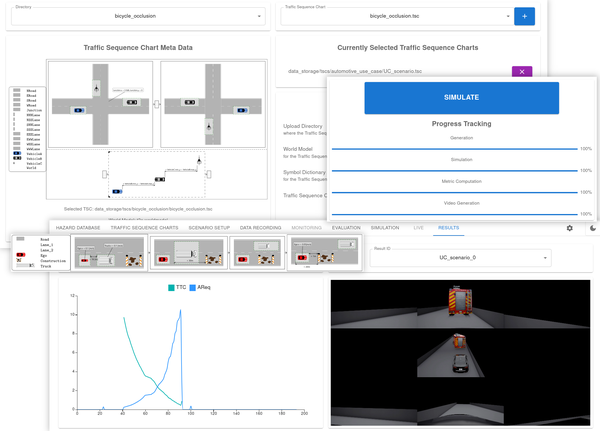
  • Validation in the Simulation Lab: Virtual testing of driving functions (including interaction with pedestrians and traffic) against predefined scenarios.
  • Certification Standards: Development of scientifically sound best practices and standards for the validation of autonomous vehicles in accordance with current legislation..
  • Industrial applicability: Successful validation of the technologies in the above-mentioned use cases (L4 shuttle, L4 truck), including a demonstration of the expansion of the permitted operating domain (ODD).

Tools and methods developed in the previous research project, V&V4NGC

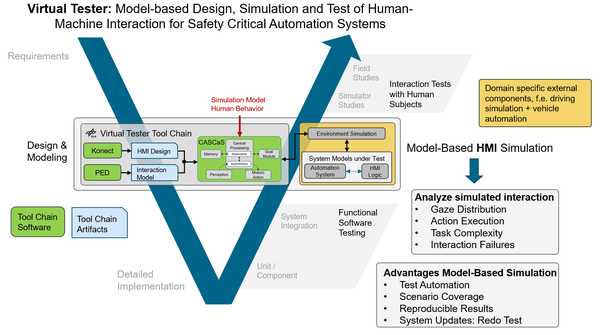
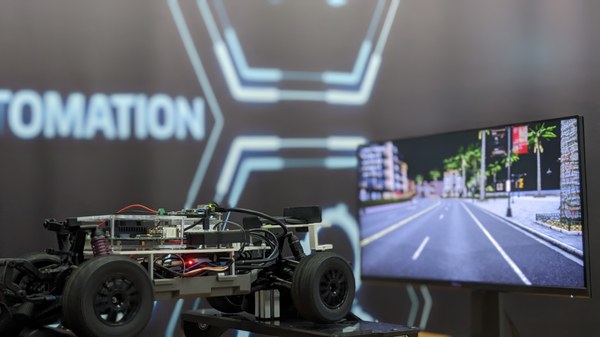
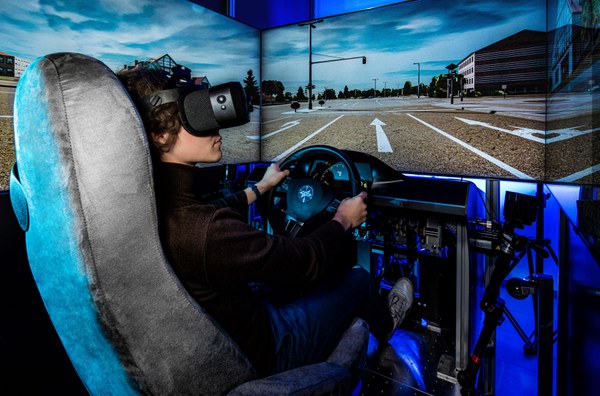
In addition to methods and tools for developing and testing technical systems, another focus is on methods and simulation-based tools for human-machine interaction. These include both real-time simulations with human subjects in driving simulators and model-based simulations of human-machine interaction using computer-aided models of human behavior. Numerous diverse studies and tests have already been successfully conducted using these various simulation-based methods and tools. All of the verification and validation (V&V) toolchains presented below use components of the NGC simulation framework.

V&V4Transformation – Secure Automation Through Advanced Simulation

Participating DLR institutes and facilities

Contact

Dr. Kim Grüttner

Projectcoordination
German Aerospace Center
Institute of Systems Engineering for Future Mobility
Escherweg 2, 26121 Oldenburg
Germany