Air transport is facing profound changes: increasing requirements for climate protection, new technologies, economic pressure and growing system complexity. The Digital Airline Twin realistically represents airline operations and enables an integrated analysis of these developments as well as a robust assessment of their impacts on the overall system.
Behind every flight lies a complex system. Aircraft, crews, maintenance, infrastructure and schedules are closely interconnected. To ensure that airline operations function reliably, these processes need to be carefully coordinated. Changes in one area – for example due to new technologies, regulatory requirements or operational measures – therefore have a direct impact on the system as a whole.
The Digital Airline Twin is a digital representation of an airline. It virtually replicates an airline’s operational processes and enables them to be analysed as an integrated system – from flight planning to aircraft and crew deployment.
From individual processes to an integrated system
Within this digital representation, key areas of airline operations are considered together. This creates a consistent overall picture of the system.
Key questions include:
How do uncertainties, such as weather-related variations in flight times, affect the stability of flight schedules?
What are the implications of new technologies, such as alternative propulsion systems or modified aircraft concepts, for airline operations?
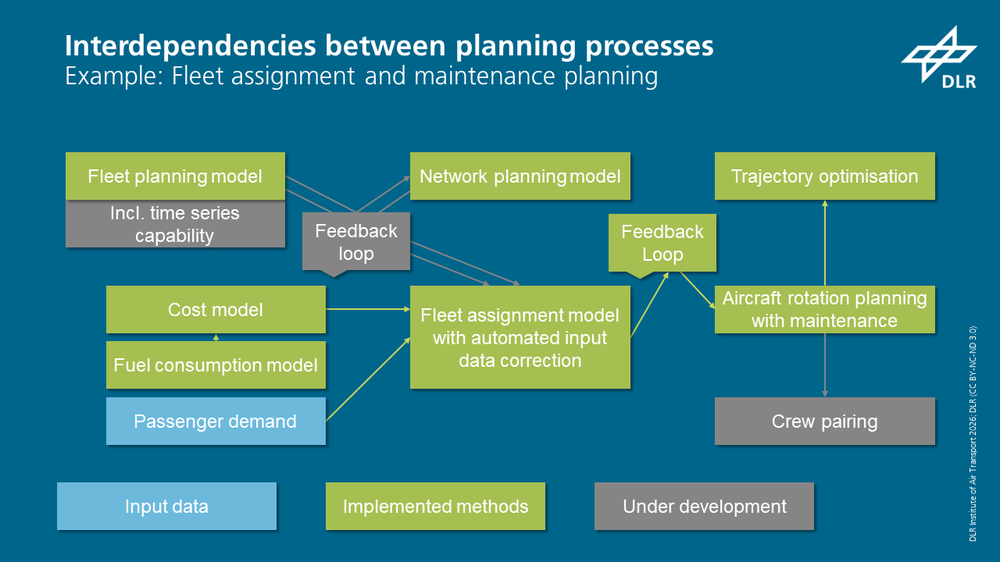
How do improvements in individual planning areas – for example aircraft rotation planning or crew scheduling – affect the overall performance of an airline?
What effects do operational measures, such as climate-optimised flight routes, have when considered in combination with other requirements?
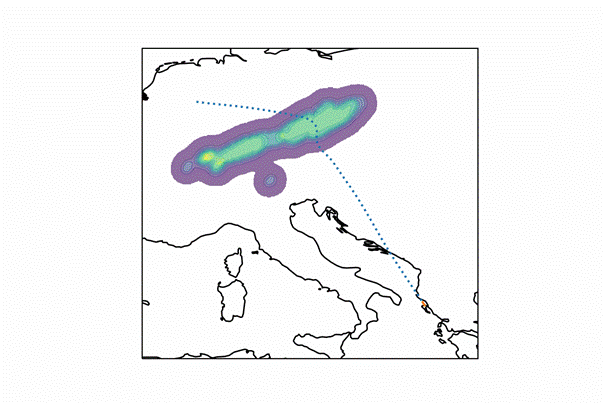
The animation shows the dynamics of convective weather cells. Thunderstorms pose a risk to aircraft due to lightning, potential downdrafts and hail, and therefore need to be avoided. This can result in delays. The Digital Airline Twin can be used to determine how delays affecting individual flights influence airline operations as a whole. Based on these insights, flight schedules can be adjusted to reduce the likelihood of subsequent delays.
An example from our research – flight schedules
Your consent to the storage of data ('cookies') is required for the playback of this video on Quickchannel.com. You can view and change your current data storage settings at any time under privacy.
An example from our research – flight schedules
The animation shows the dynamics of convective weather cells. Thunderstorms pose a risk to aircraft due to lightning, potential downdrafts and hail, and therefore need to be avoided. This can result in delays. The Digital Airline Twin can be used to determine how delays affecting individual flights influence airline operations as a whole. Based on these insights, flight schedules can be adjusted to reduce the likelihood of subsequent delays.
The importance of an integrated perspective is increasing. The framework conditions of air transport are constantly changing, making the overall system even more complex:
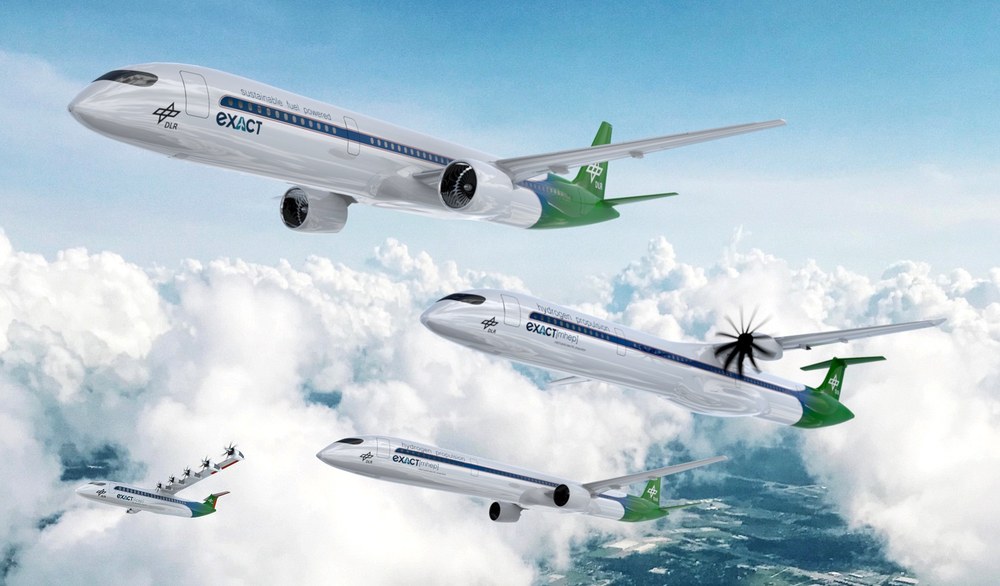
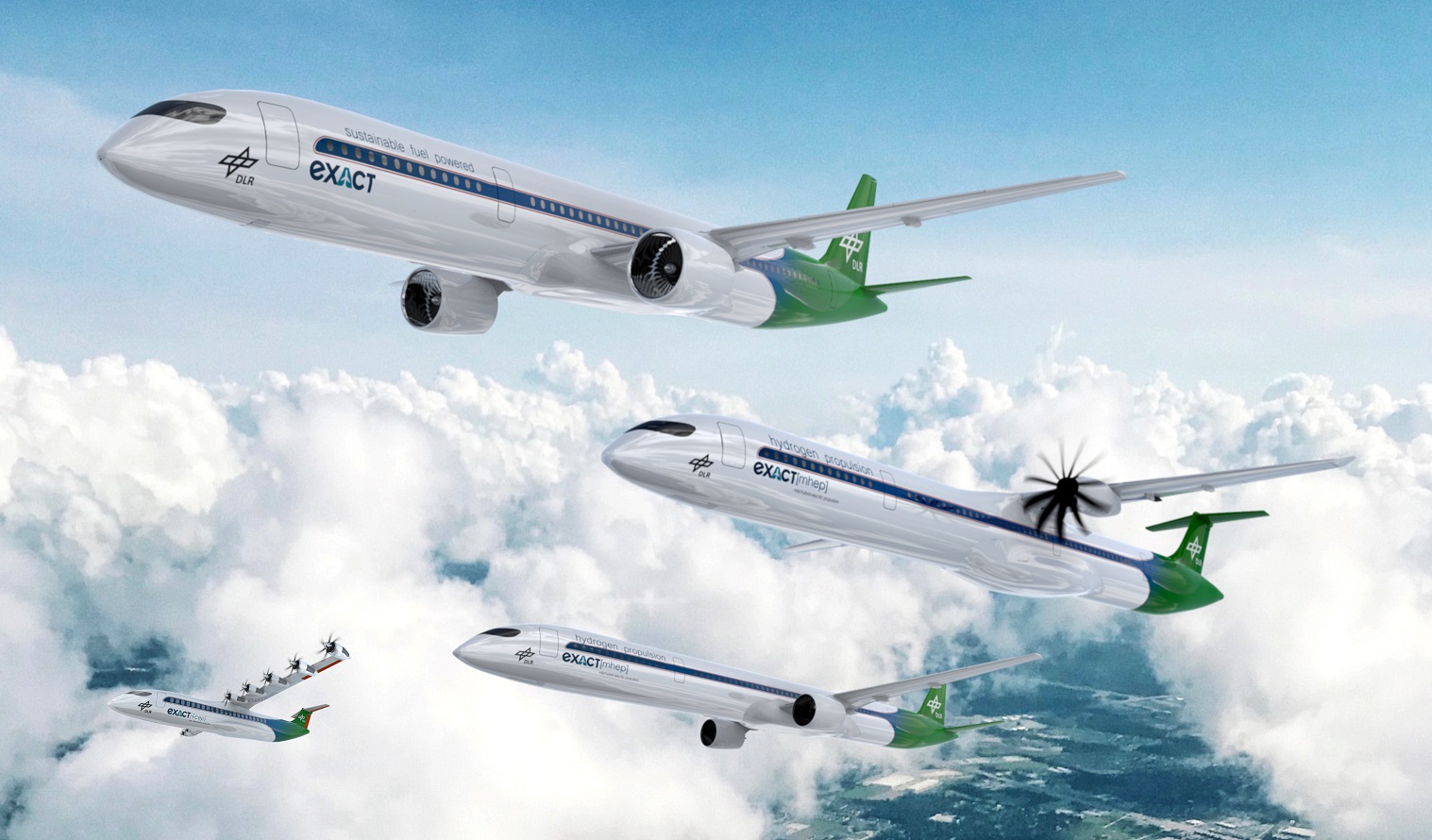
New, climate-compatible aircraft propulsion technologies, such as hydrogen, will change operational processes as well as requirements for infrastructure and personnel.
Flight times are becoming less predictable – for example due to extreme weather conditions, increasingly congested airspace or operational adjustments.
Regulatory requirements are becoming increasingly diverse across regions and market participants.
By simulating realistic scenarios, the Digital Airline Twin provides a basis for analysing these developments at an early stage and systematically assessing their impact on operations.
An example from our research – flight operations
The introduction of new aircraft types requires adjustments across all areas of airline operations. One example is hydrogen-powered aircraft. These are expected to require significantly longer refuelling times than conventional kerosene-powered aircraft. Using the Digital Airline Twin, we can analyse the operational impacts on an airline: How many additional aircraft are required? Do maintenance time windows need to be adjusted? How do crew working patterns change if longer turnaround times between flights are required?
The holistic perspective creates an analytical tool for different stakeholder groups:
Industry: Assessment of the economic viability, feasibility and operational impacts of new technologies
Policy: Evaluation of regulations and measures, for example in the areas of carbon pricing or technology support
Research: Development and evaluation of new methods under realistic conditions
By providing an integrated view of airline operations, the Digital Airline Twin significantly increases the practical relevance of our research. Technologies, processes and regulatory measures can be tested and evaluated under realistic conditions. This helps to better assess which innovations can actually be implemented in airline operations.
Young researchers group Digital Airline Twin
A young researchers group at the DLR Institute of Air Transport is working on further developing the Digital Airline Twin and applying it to current challenges. The focus includes issues such as rising fuel prices, skills shortages and new propulsion technologies. Using simulations and data analyses, realistic scenarios are developed to investigate impacts on flight planning, resource utilisation and operational processes, and to derive improved solutions.
The Digital Airline Twin is a key tool for understanding and actively shaping the complex interactions within air transport. It connects research and practice, creates transparency and supports decision-making in a highly dynamic system, providing a foundation for efficient, resilient and climate-compatible air transport in the future.