Get involved and help shape the aviation of tomorrow!
DLR Design Challenge
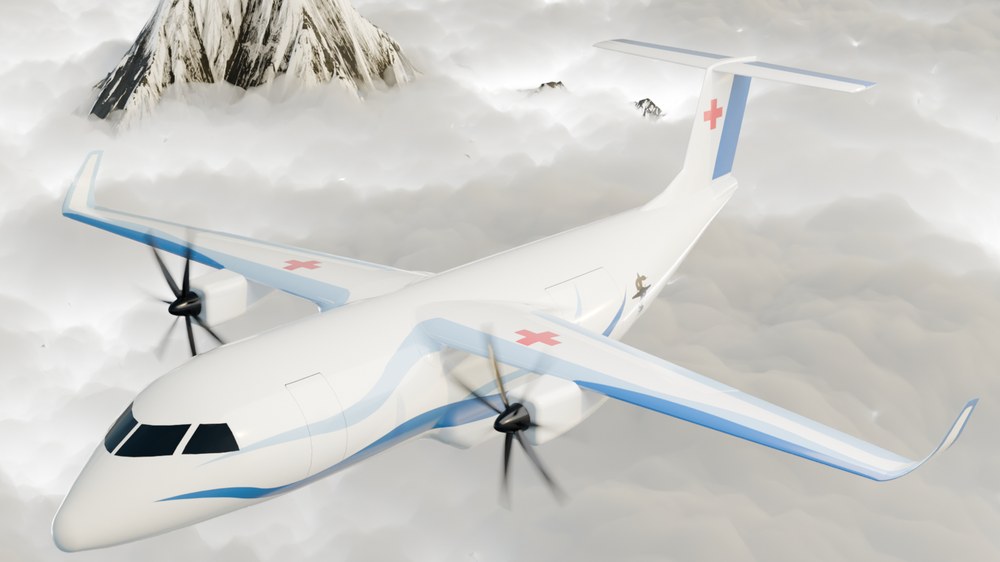
First place in the DLR Design Challenge 2025: RWTH Aachen's ASCLERA
ASCLERA is a medical evacuation aircraft and air ambulance that can transport up to 15 patients over a distance of 2500 kilometres. Its design is based on a powerful twin-engine turboprop aircraft featuring modern landing flaps and flight control systems for smooth and safe operation, even on short, high-altitude runways. Its modular cabin can be quickly reconfigured, with an elliptical fuselage offering extra space. Double doors and a rail-based loading system allow for swift boarding and the flexible transportation of patients with different medical needs.
Image: 1/11, Credit:
RWTH Aachen/ASCLERA
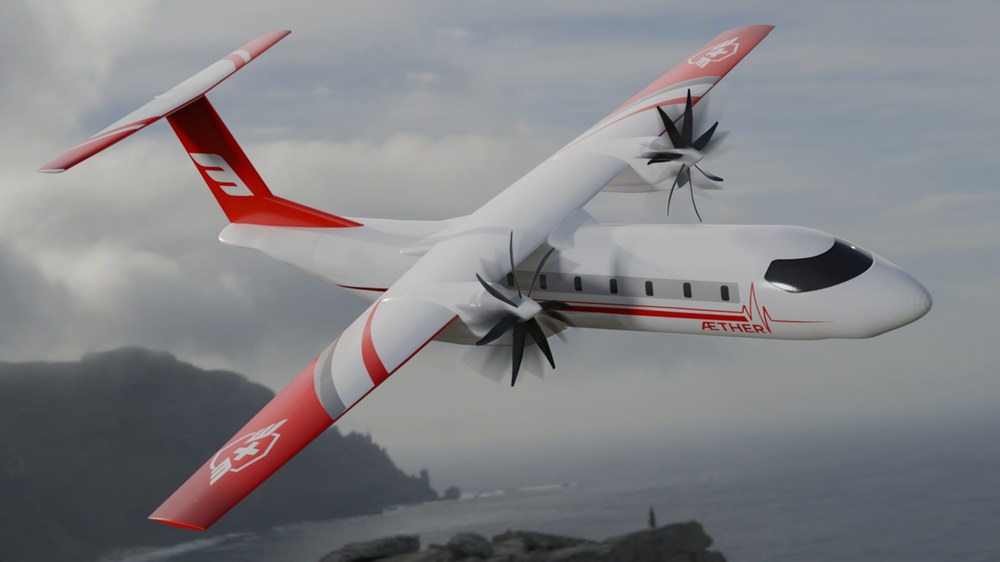
First place in the DLR Design Challenge 2025: FH Aachen's AETHER
AETHER is a versatile twin-engine turboprop rescue aircraft for transporting up to 19 patients. The cabin layout is highly flexible, featuring a modifiable design with quick-change rails and drop-pin seat rail adapters that allow for speedy reconfiguration to suit different mission requirements. A large rear door makes it possible to load patients quickly and efficiently, significantly reducing waiting times in emergency situations. Boasting a simple and reliable twin-engine propulsion system, AETHER flies on sustainable aviation fuel.
Image: 2/11, Credit:
FH Aachen/AETHER
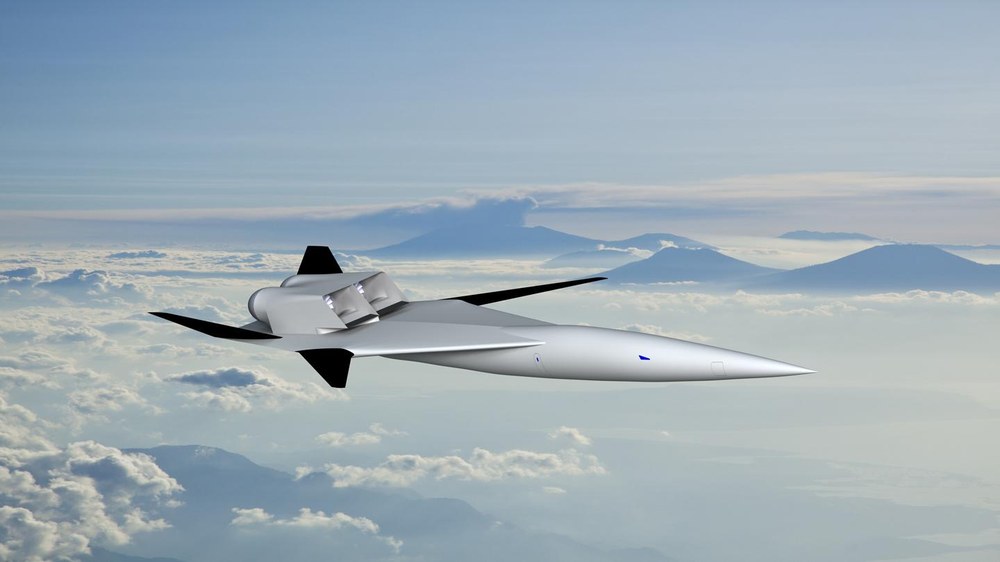
'HELESA' of the University of Stuttgart
An innovative concept for a supersonic aircraft – an environmental successor to Concorde as it were – was presented by a team from the University of Stuttgart and awarded third place. The concept 'HELESA' proposes a long-stretched aircraft with distinctive variable forward swept wings.
Even while studying, help steer aviation technology in new directions with your very own ideas. Create designs for climate-compatible flight using new propulsion systems, sustainable energy sources and innovative aircraft concepts – without losing sight of economic viability.
The DLR Design Challenge calls on students from German universities: take on the challenge and develop your ideas for the aviation of tomorrow!
Motivation and goal
Aviation is undergoing a profound transformation. The simultaneous – and at times seemingly contradictory – goals of climate compatibility, economic efficiency, safety and passenger comfort demand radically new technologies as soon as possible. This is precisely where the DLR Design Challenge comes in: an annual competition for students to design forward-looking aircraft concepts.
What matters most is a coherent overall concept that tackles current, complex questions in aircraft design. The specific mission changes each year, based on the latest challenges in aviation. In recent years, these have included hydrogen-powered aircraft, parcel delivery drones, and supersonic aircraft with significantly reduced environmental impact.
DLR Design Challenge 2026
The DLR Design Challenge 2026 calls for the development of innovative yet feasible concepts for experimental aircraft designed to demonstrate future aviation technologies under real flight conditions. Your designs will serve as practical test platforms for individual or combined future technologies. The choice of technologies to be explored is entirely up to you – however, everything from the initial idea to manufacturing, operation, maintenance and certification must already be considered at the concept stage. We invite you to lay the foundation for the next generation of aircraft and actively help shape the future of aviation.
DLR Design Challenge 2026
Timeline
December 2025
Pre-announcement of the theme and schedule of the DLR Design Challenge
February 2026
Publication of the detailed task description for the DLR Design Challenge
March 2026
Email registration deadline for teams via the university's supervising chair
April 2026
Kick-off event at DLR's site in Braunschweig, publication of the detailed task description.
July 2026
Submission of competition reports in English (contents from own Bachelor's and Master's theses may be included)
August 2026
Closing event at DLR's site in Hamburg, presentation of the projects followed by the awards ceremony
September/October 2026
Presentation of selected winning entries at an international aviation congress
All winning teams will have the opportunity to present their results at the German Aerospace Congress (DLRK). In addition, the winning team will be invited to showcase their project at the international EASN (European Aerospace Science Network) conference.