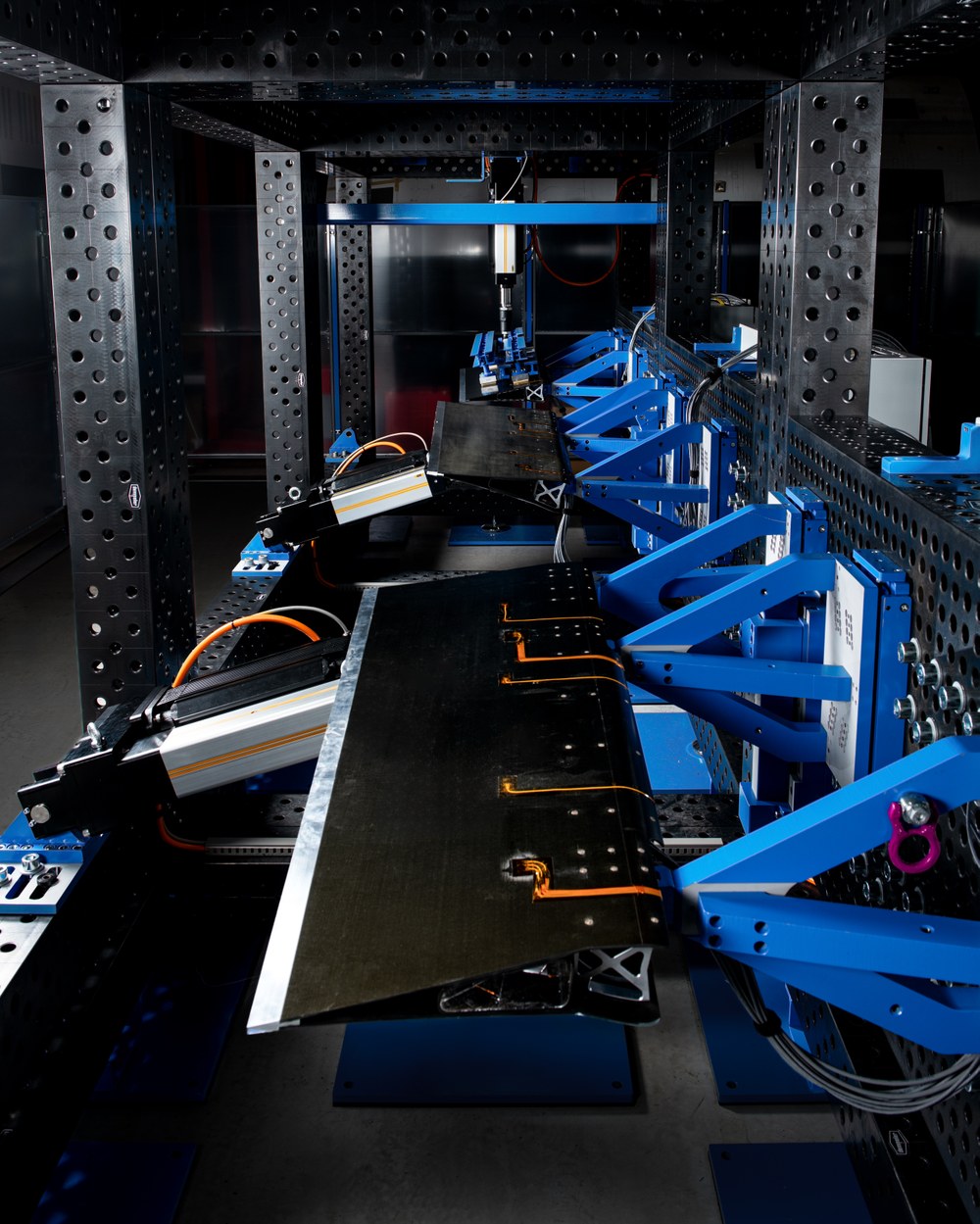
Sensors measure the current alignment of the control surfaces; the flight control computer then determines the load-optimised position within milliseconds and moves the surfaces to the new position via actuators.
DLR has established a test stand in Bremen to investigate innovative control surfaces on aircraft wings.
New, high-aspect-ratio wings require intelligent control surfaces and functions due to their elasticity.
The new test stand can simulate flight manoeuvres and gusts in real time, allowing up to three control surfaces to be tested simultaneously.
Focus: Aviation, climate-compatible flight
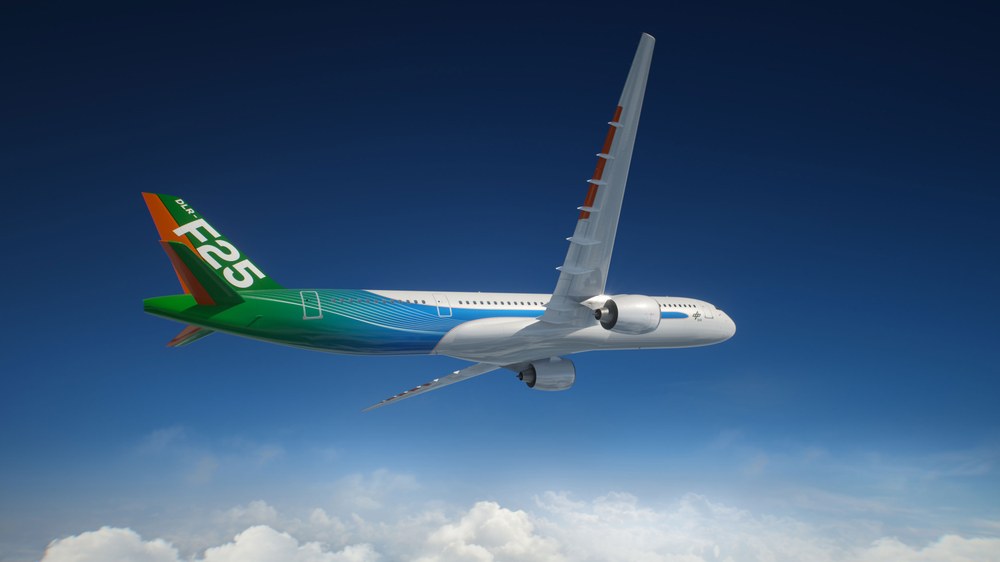
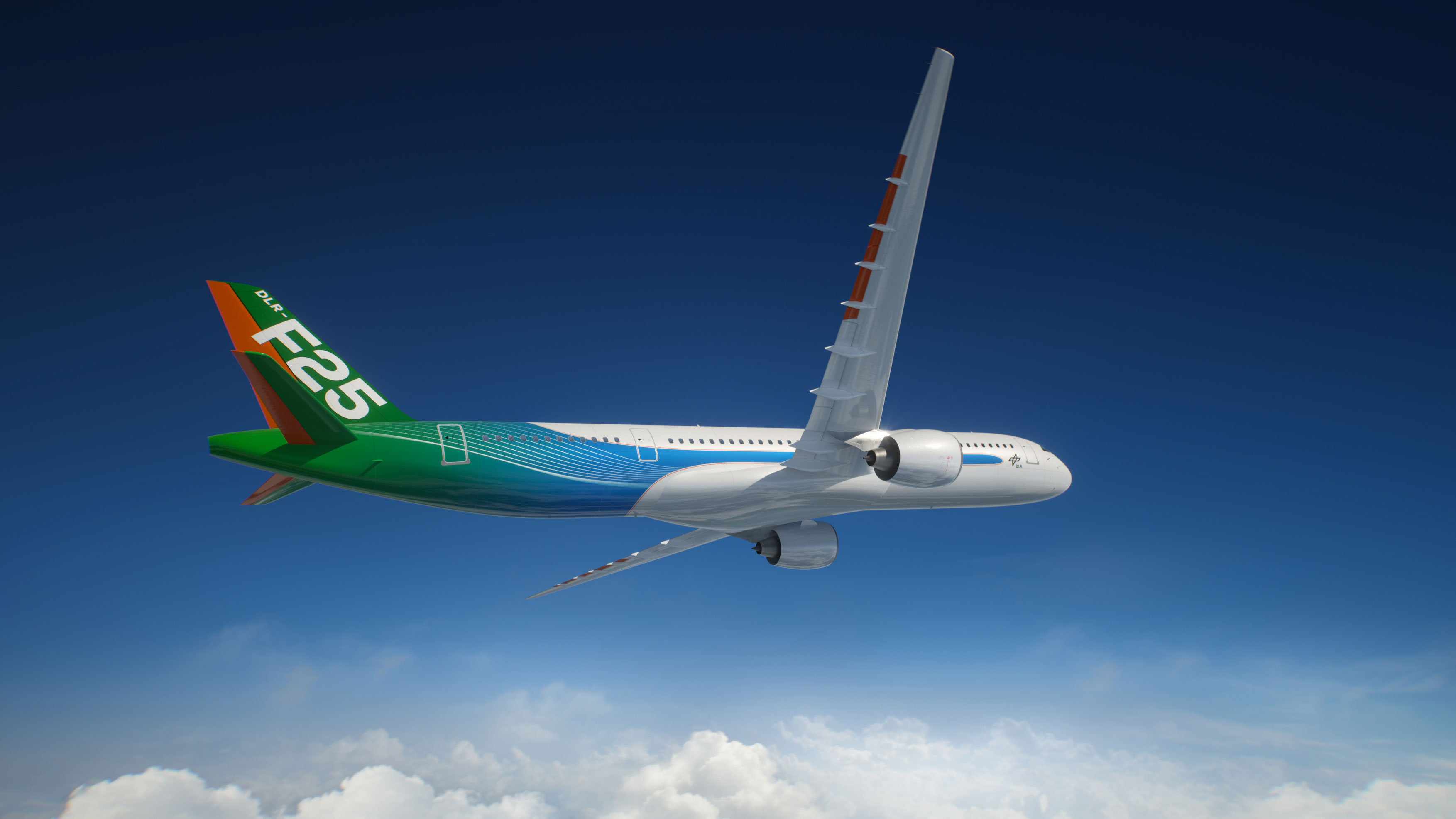
The development of high-aspect-ratio wings and their control surfaces is an important building block for future, more climate-compatible aircraft. Wings of this kind only function effectively with suitable flight control systems and special take-off and landing flaps. For such wing components, the German Aerospace Center (Deutsches Zentrum für Luft- und Raumfahrt; DLR) has built the WISDOM (Wing Integrated Systems Demonstration On Mechatronic Rig) test stand in Bremen. At DLR's Virtual Product House, researchers can work directly with industry to test innovative functions of intelligent flight control systems, such as active load alleviation and flutter suppression.
With the Virtual Product House and our new test infrastructure for flight control systems, DLR, together with industry and academia, is making a vital contribution to wing development at our Bremen site. This aligns perfectly with our DLR strategy to strengthen the competitiveness of the German aviation industry and accelerate the development of climate-compatible aircraft.
High-aspect-ratio wings require intelligent control surfaces
By their very design, high-aspect-ratio wings are considerably more elastic than conventional wings. In addition to standard flight control functions, future-oriented intelligent control surfaces must actively reduce loads caused by manoeuvres and gusts during flight. This requires a great deal of technology in a limited space, particularly in the outer wing area, while simultaneously meeting aviation's stringent safety requirements.
In the seven-metre-long WISDOM test rig, researchers can investigate up to three control surfaces simultaneously. The rig can simulate flight manoeuvres and gusts in real time, with calculated aerodynamic loads applied directly to the wing surfaces. Sensors measure the current alignment of the control surfaces, the flight control computer determines the load-optimised position within milliseconds and adjusts them to the new position via actuators.
The new test stand is a perfect fit for the Virtual Product House's goals of accelerating the digital design and certification of new wings. Through the clever combination of virtual and physical testing, and the modular design of the stand, we can develop flight control systems very efficiently – and link this in the Virtual Product House with the expertise of several DLR institutes and industry.
The Virtual Product House advances digital certification
DLR's Virtual Product House is located at the ECOMAT research and technology centre in Bremen and, as an integration centre and platform, brings together several DLR institutes, industry collaborators and certification authorities. The aim of the Virtual Product House is to advance the development and certification of innovative aircraft components and technologies through the use of digital design and testing methods. The DLR Institute of Flight Systems has built the WISDOM test stand together with Liebherr, Diehl Aerospace, FFT Production Systems and the Technical University of Berlin. The new WISDOM test rig is therefore of central importance for testing new wing components and Germany's contributions to future aircraft programmes.