Article from the DLRmagazine 180: Carsten Agert on the security and resilience of our energy system
"Our energy system must become more independent!"
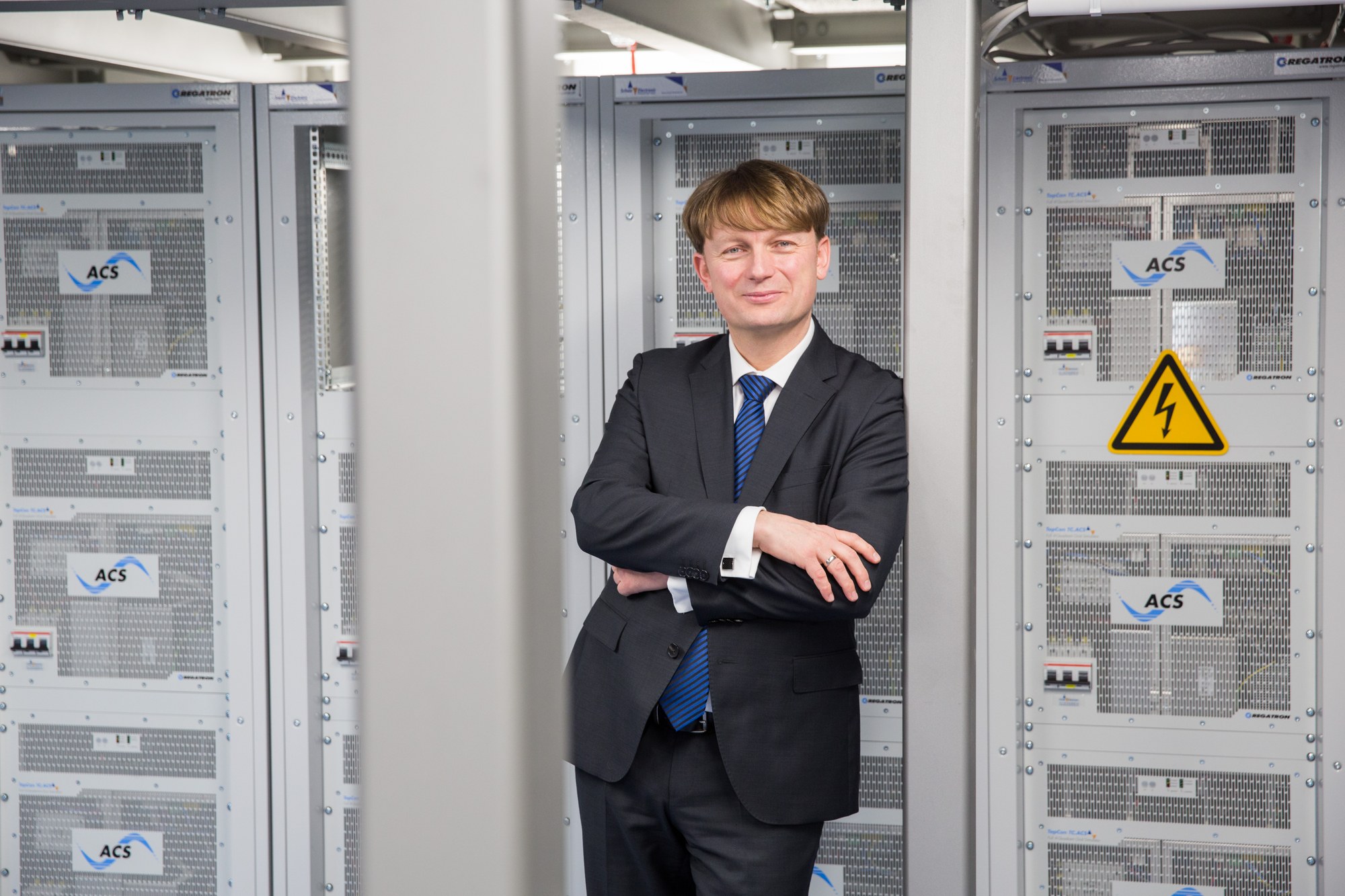
Carsten Agert
He has been active in energy research for 28 years and, as a physicist, has worked on topics including solar cell materials, fuel cell systems, electrical energy technologies and system analysis. He regularly advises policymakers at the federal and state level on energy-related decisions in various capacities. For many years now, he has relied on fossil fuels for just one thing: his Indian Motorcycle.
Over the past 25 years, our energy system has undergone a fundamental transformation, primarily due to the expansion of renewable energies and the phase-out of nuclear power. At the same time, the wars in Ukraine and Iran highlight just how dependent Germany and Europe remain on oil and gas. In times of crisis, sharply rising energy prices place enormous strain on the economy and society. Added to this are new threats such as sabotage and cyberattacks. In the face of these challenges, what is needed to make our energy system safer and more resilient? Carsten Agert, Director of the DLR Institute of Networked Energy Systems, discusses this in the interview.
What do we mean by a secure and resilient energy system?
The energy system is an essential foundation of our society. It is only during major outages – such as the one in Berlin earlier this year, caused by a cable fire – that we realise how indispensable a functioning energy supply really is. That is why we must focus more on the resilience and security of our energy system. Resilience refers to the ability to compensate for disruptions, maintain functionality even under difficult conditions, and learn and adapt over time. Security, in this context, means protection against threats such as cyberattacks or sabotage.
The energy system encompasses far more than just electricity – a fact we often forget. It is also vital for mobility and communication, enabling the transport of goods and providing us with heat. The more we replace fossil fuels with electricity from renewable sources, the more efficiently and across sectors we can operate: electricity, heat, gas supply and the associated areas of consumption – most notably transport – all become closely intertwined. This gives us greater flexibility in energy use, extending deep into industrial processes – something that was not possible with the previous parallel structures for electricity, oil and gas.
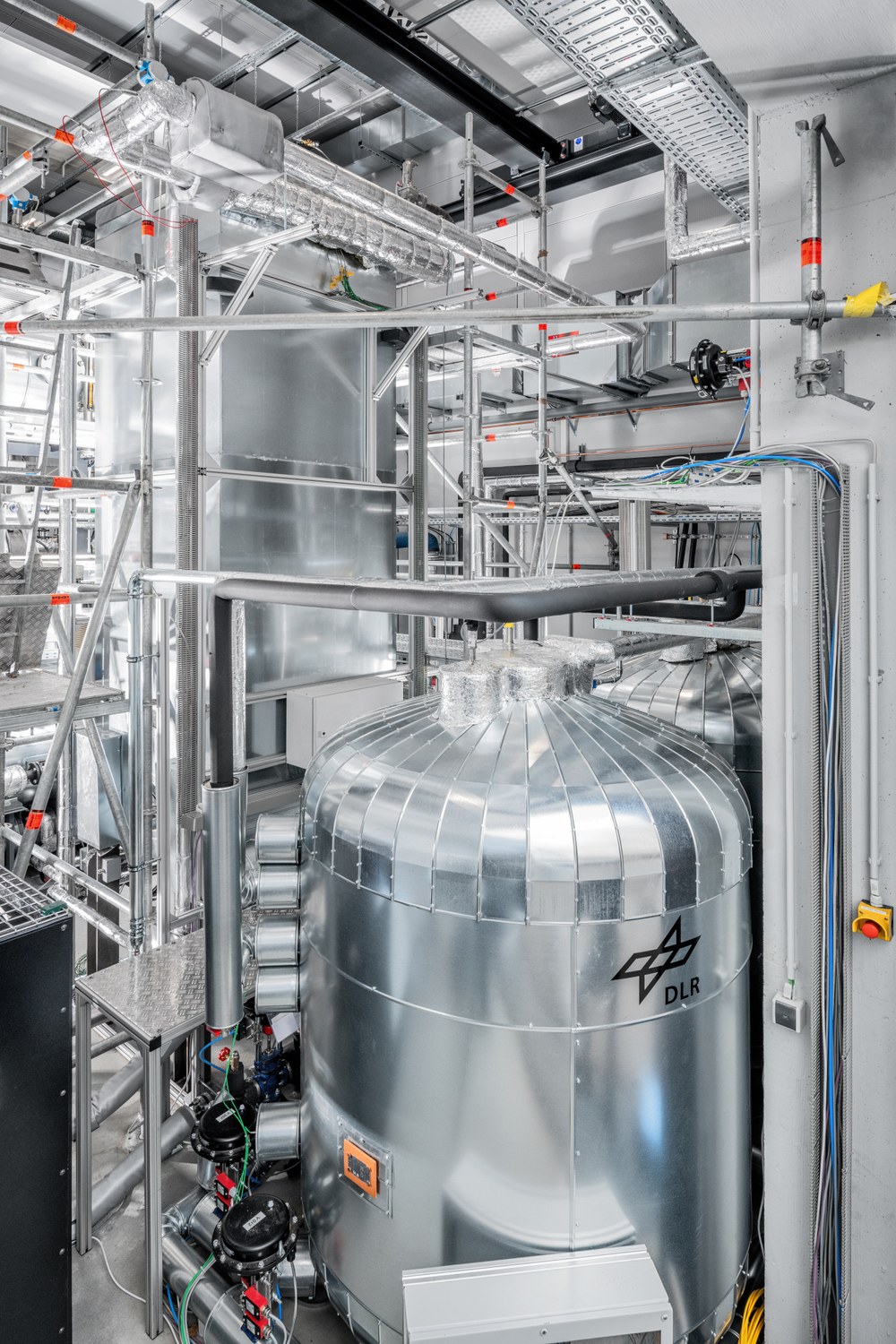
The world's first Carnot battery based on the Rankine cycle
Carnot batteries store electricity in the form of heat. DLR and the CHESTER consortium (Compressed Heat Energy Storage for Energy from Renewable sources) are constructing the world's first Carnot battery based on steam power processes.
What has changed in recent years, and what challenges does this bring up?
Essentially, the focus in developing our energy system has shifted. Until recently, the main concerns were affordability and climate protection. Now, security and resilience have also moved to the top of the agenda. This presents us with a dual challenge, as the transformation of the energy system is taking place while it remains in operation. Nevertheless, there must be no major outages. Given the current security situation, we also need to engage much more seriously with the protection of facilities and infrastructure.
Compared to the past, our energy system now involves a greater number and variety of actors generating and feeding electrical energy into the grid. The share of energy from renewable sources can fluctuate daily, seasonally and due to weather conditions.
As a result, we need more and more flexible storage solutions and a modern infrastructure. This infrastructure must intelligently connect the components of the system with one another and with other sectors – such as transport and industry. Managing and regulating such an energy system is also considerably more demanding.
At the same time, political decisions are pending on the strategic direction we take, both technologically and economically – for example, on the hydrogen economy and heat supply. Investments in the energy sector are long-term commitments, and projects cannot be delivered overnight. Facilities and infrastructure will remain in operation for decades and will usually only pay off in the medium to long term. That is why reliable regulatory frameworks are essential.
Many of our studies and research projects culminate in what we call, in technical terms, 'Transformation pathways': scientifically grounded assessments of the options available to us for further developing our energy system. In doing so, we provide policymakers and industry with a sound basis for making robust, future-proof decisions.
Compared to fossil raw materials, sunlight and wind are far more widely distributed worldwide. This gives us considerably greater flexibility in choosing our trading partners.
What significance do raw materials and their availability have?
Many future technologies in the energy and mobility sectors require a wide variety of resources and raw materials. These include usable water and suitable land, as well as rare earths and metals such as lithium. The latter are scarce in Germany and Europe and we must purchase them on the global market. Here, we need to do far more to prevent structural dependencies.
The same applies to manufactured products. We Import a considerable share of systems and components into the European Union, such as solar panels, battery cells and wind turbines, that already contain these scarce raw materials. A comprehensive resilience strategy must therefore consider that supply bottlenecks can occur not only at the raw material level but also at other points along the value chain.
At DLR, we are investigating the availability and recycling potential of key raw materials. To do this, we are developing highly complex computer models that allow us to simulate which raw materials could face supply shortages under certain conditions, and what dependencies and economic consequences might result.
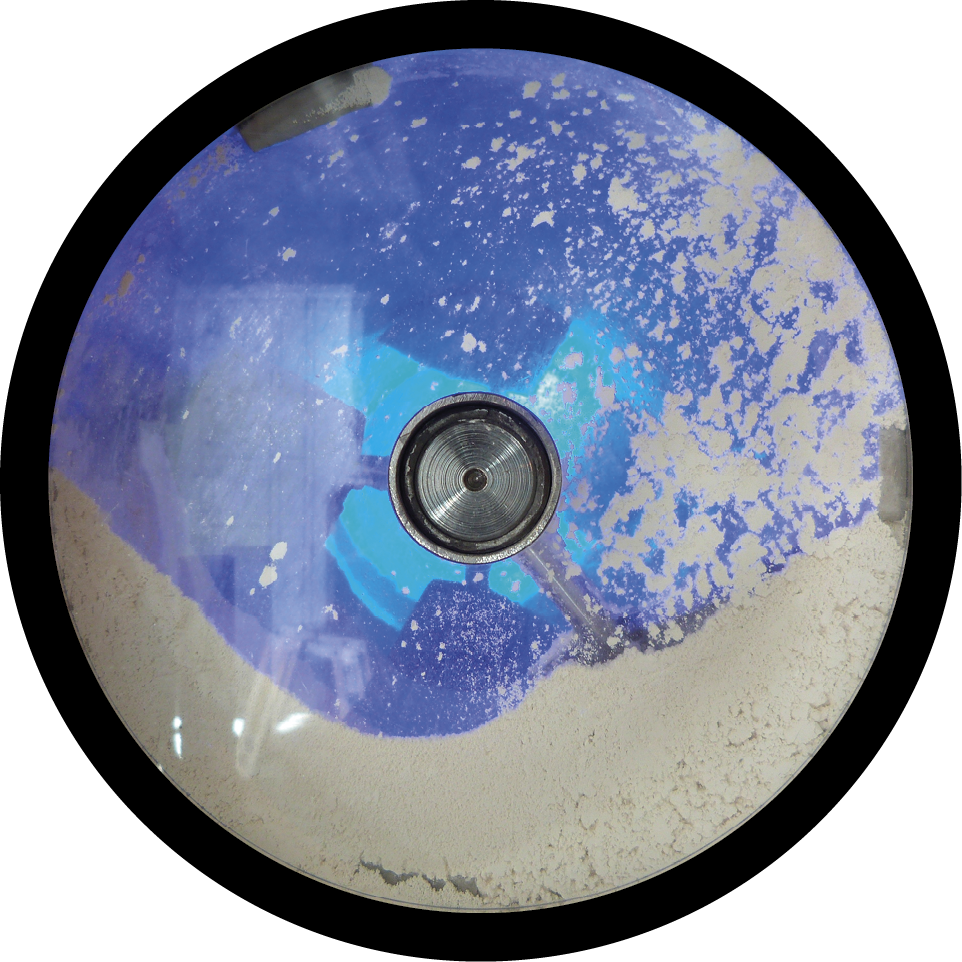
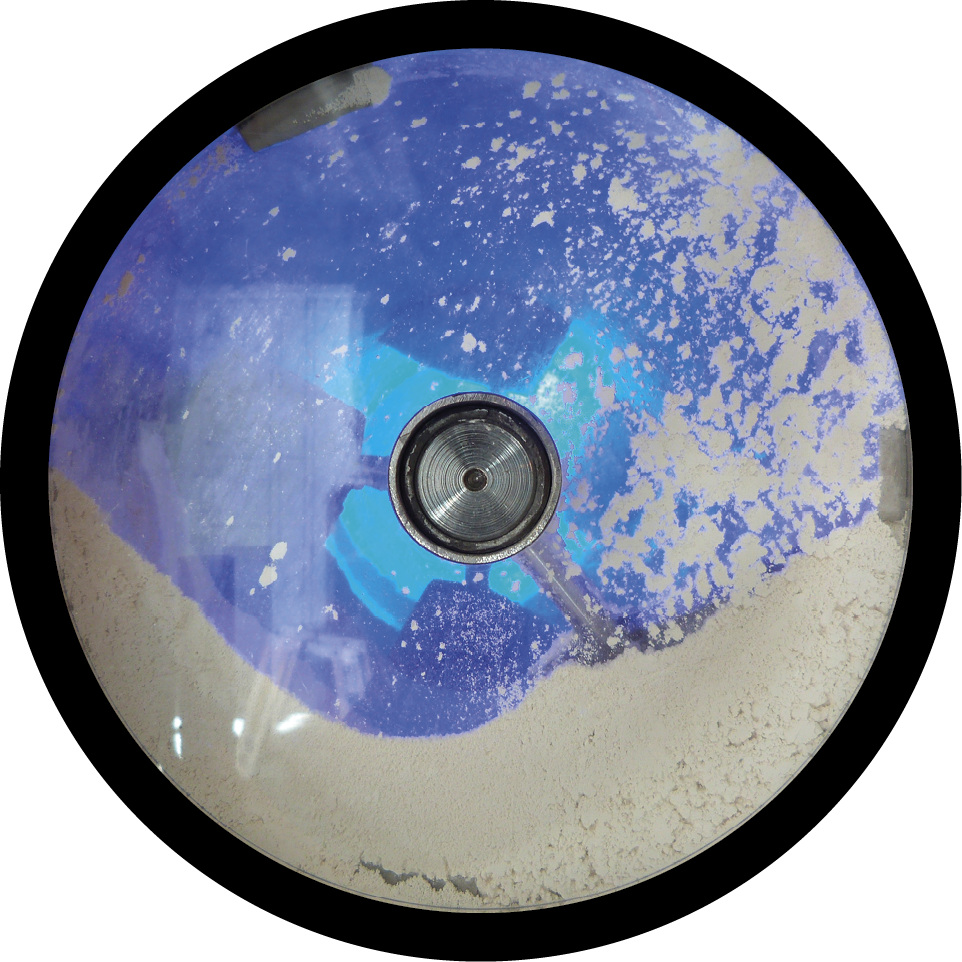
View into the reactor of a thermochemical quicklime storage system
Heat is released through the chemical reaction of quicklime and water. With such systems, buildings can be heated flexibly and independently of oil and gas.
What must our society, policymakers and industry be prepared for?
Geopolitical conflicts show that we must consider energy security, the long-term management of natural resources and economic stability together. Resilience means reducing our dependence on individual supplier countries or critical raw materials. At the same time, we need to diversify our energy sources and trading relationships and strategically expand our own production and infrastructure capacities. We must also design energy systems that can better absorb short-term shocks, such as supply disruptions, price spikes or damaged infrastructure. At DLR, for example, we have developed detailed models of electricity and gas networks that we use to research future, more resilient system architectures. We are also actively engaged in the increasing automation and digitalisation of our electricity grids, developing methods and design strategies that enable crisis-proof operation.
The economic liability of an energy system is just as important. A system is not resilient if it is not financially sustainable or competitive in the long term. And we must not forget: social acceptance and public participation are also fundamental.
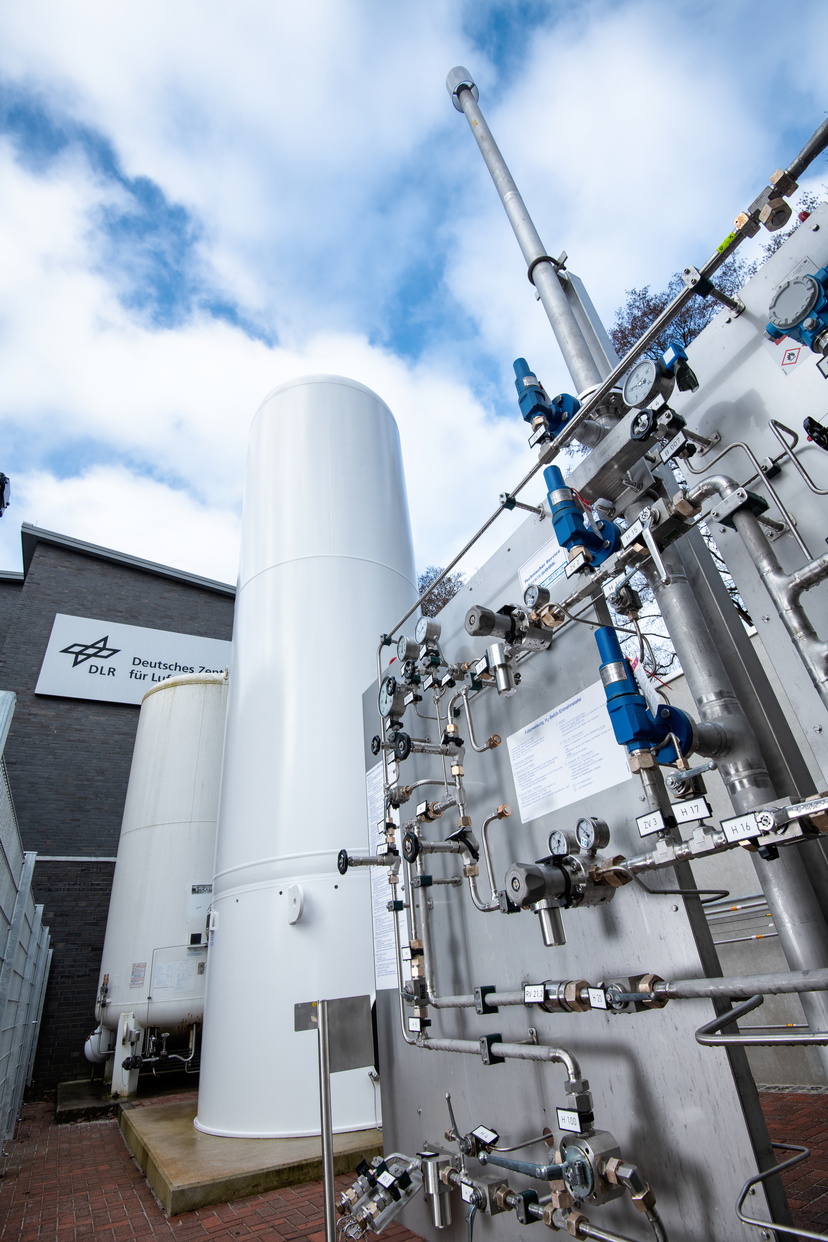
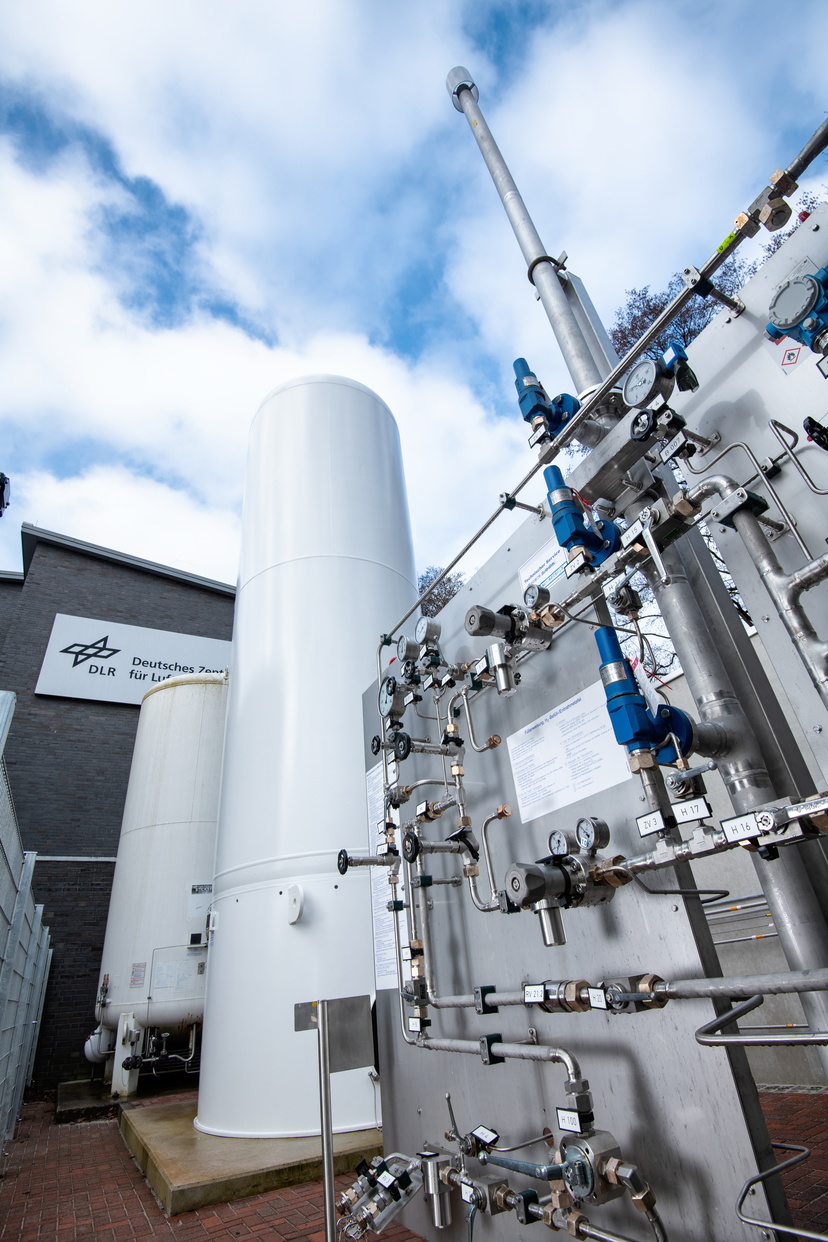
DLR is researching various potential applications for hydrogen.
For example the operation of fuel cells. Hydrogen is suitable both for energy storage and for efficient use in industrial settings.
What role do fossil fuels and renewables play in the resilience of our energy systems?
By far the most important factor in a secure and resilient energy system is the energy itself. Every kilowatt-hour we generate ourselves makes us a little less dependent on global risks. Sunlight and wind are resources available in abundance in Germany and across Europe. They are readily available – regardless of acute geopolitical crises, trade wars or disrupted supply chains.
As a densely populated industrial nation, we will still not be able to meet our entire energy demand domestically. But that is not the primary goal. Rather, it is about working with our European partners to reliably interconnect electricity and hydrogen grid infrastructures, and establish energy import Agreements with reliable third countries. Compared to fossil fuels, sunlight and wind are far more widely distributed worldwide. This gives us considerably greater flexibility in choosing our trading partners.
In terms of security and resilience, is a decentralised or a centralised energy system better?
Neither is inherently superior. Decentralised structures with regional, renewable generation, storage and flexibility options increase resilience against disruptions and reduce dependence on individual large-scale installations. In a crisis, they could allow sections of the grid to continue operating independently on a temporary basis. However, this is technically extremely demanding and is therefore a focus of our research.
Centralised structures, such as inter-regional grids, large storage facilities and power plants, offer advantages in terms of scale and efficiency, and can compensate for regional fluctuations. This enhances the stability of the overall system, particularly during major supply shortages or seasonal variations such as prolonged periods of low wind and solar power. High resilience and security are therefore best achieved through an intelligent combination of both approaches: decentralised diversification combined with inter-regional connectivity – including at the European level.
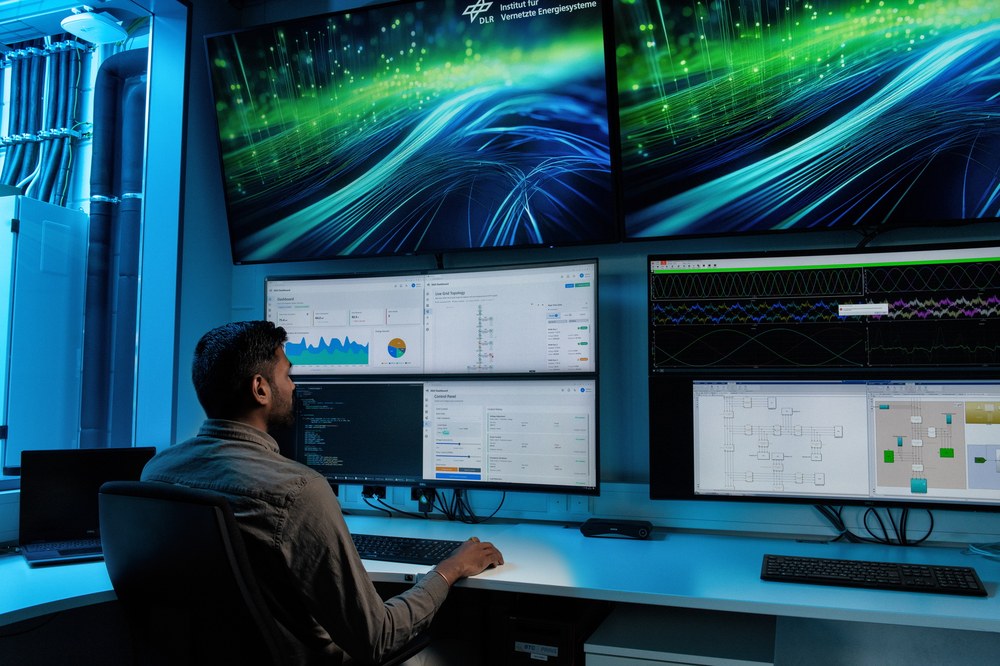
Control centre of the DLR_NESTEC research laboratory
This is where the safety of energy networks is tested.
How do DLR's current research projects contribute to making our energy system more resilient and secure?
We are investigating, for example, how energy systems and subsystems can be designed and operated to be as resistant as possible to external influences – and we are developing the technologies needed to achieve it. In particular, this includes sector coupling between energy and transport. We also analyse how extreme situations in the energy sector can affect markets and supply chains, allowing us to reliably assess the key bottlenecks and vulnerabilities in the system – right up to a pan-European, cross-sector level. To do this, we use highly complex computer models and simulations developed at DLR.
Another example is the development of technologies that minimise the likelihood of blackouts. Should a blackout nevertheless occur, these technologies enable a rapid 'black start' – even in increasingly complex energy systems. This refers to the ability of power stations and storage facilities to restart independently after a complete power failure, without an external energy supply from the grid, enabling the restoration of the grid.
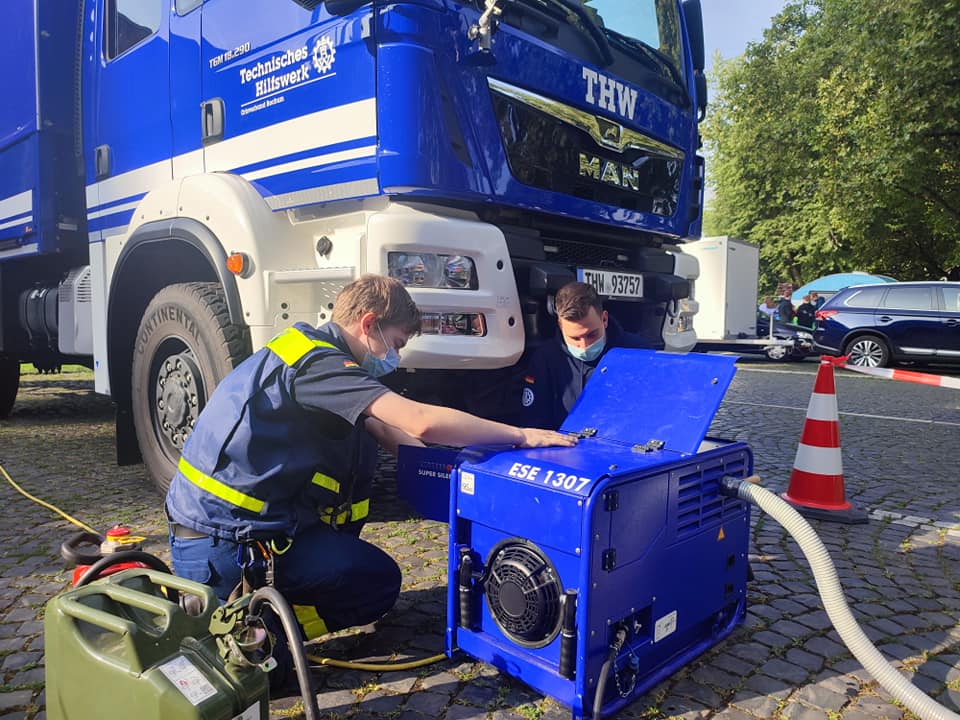
The Federal Agency of Technical Relief, or Technisches Hilfswerk (THW) on a mission
Diesel generators are currently often used in disaster response operations. As part of the RESCUE project, a consortium of industry and research is developing an emergency power generator based on a fuel cell that can run on either hydrogen or methanol. DLR is testing this in collaboration with the THW.
Credit:
THW
Together with the DLR Institute of Engineering Thermodynamics, we are currently working very concretely and practically with industry, academia and civil protection – specifically the Federal Agency of Technical Relief, or Technisches Hilfswerk (THW) – to develop and comprehensively test a reliable and efficient 'dual-fuel system' for use in natural disasters. A central component of this innovative emergency power unit is a fuel cell specially designed for this purpose. Its key feature is that it can run on either hydrogen or methanol, providing two fuel options in an emergency – each with very different advantages and disadvantages in terms of production, storage and transport.
At present, the energy supply of many civil protection facilities still relies heavily on fossil fuels. Reducing this dependence requires new, fail-safe infrastructure that is, where possible, capable of operating off-grid. The advantage of this fuel cell system is is high efficiency and flexibility in fuel and power. Our goal is to have developed a prototype of such a system by the end of the project – all integrated into an easily transportable container.