
Climate-compatible aviation

Research for climate-compatible aviation

The objective has now been set in Germany and Europe, with the aim of achieving climate compatibility in the economy and society. This is set out in the European Commission's Clean Industrial Deal, which reconciles decarbonisation with EU competitiveness. The consequences of climate change also compel us to strive towards climate-neutral air transport, which contributes 3.5 percent to global warming. The focus is on new technologies that will continue to ensure global mobility and the transport of goods in the future. With dozens of DLR institutes and facilities active in aeronautics research, DLR is driving this transformation with ideas and concepts for sustainable technologies for a future-ready, environmentally compatible aviation of tomorrow. Expertise from DLR's space, energy and transport research programmes is also playing an important role in this.
Efficient aircraft configurations with an intelligent propulsion mix

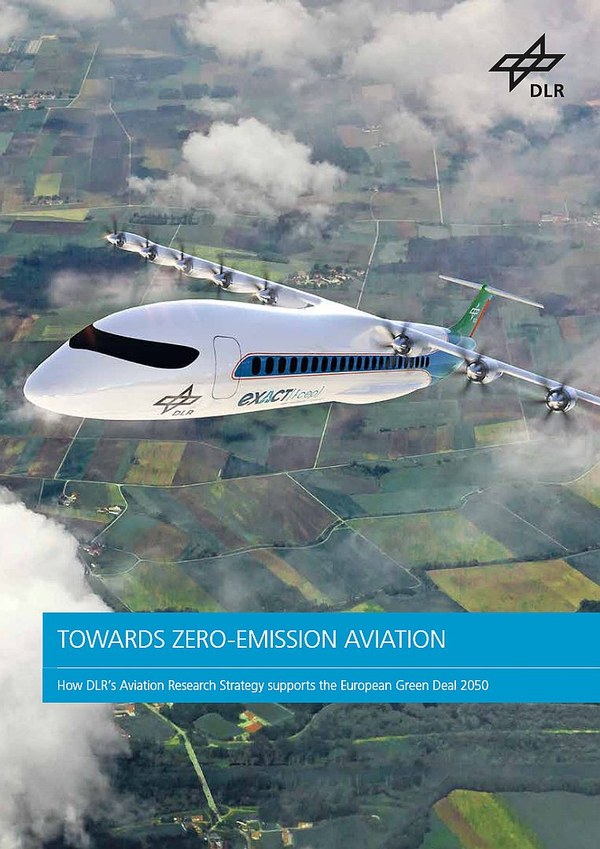
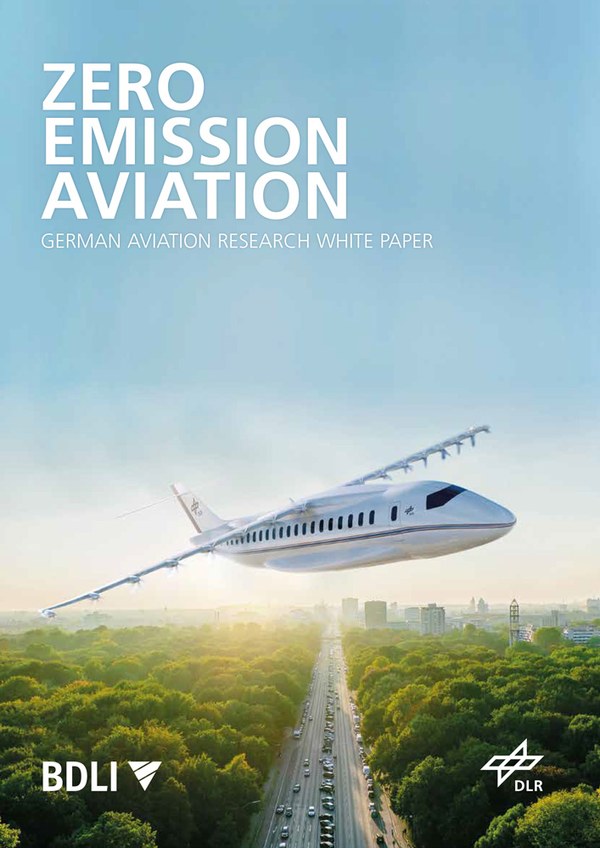
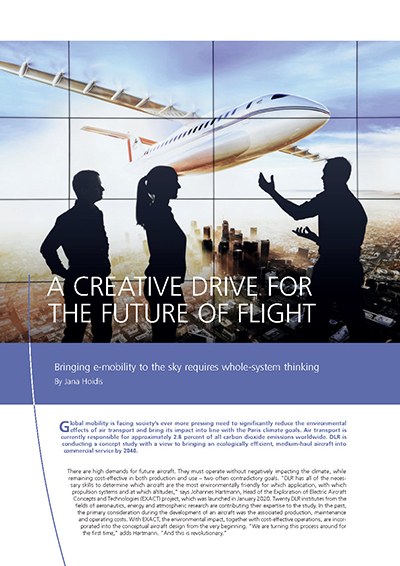
To significantly reduce the energy requirements of future aircraft by 2050, they must become even lighter, more efficient and more aerodynamic, in combination with the introduction of innovative flight control and sensor technology. Efficient aircraft configurations will require an intelligent mix of alternative propulsion concepts for various application areas. In future, small and regional aircraft will be able to take off using battery or hybrid-electric systems, while medium-haul aircraft will be capable of flying using direct hydrogen combustion or fuel cells. On long-haul routes, sustainably produced fuels – known as sustainable aviation fuels (SAF) – in combination with highly efficient turbines could lead the way.

SAF – an opportunity for more climate-compatible aviation in the medium term

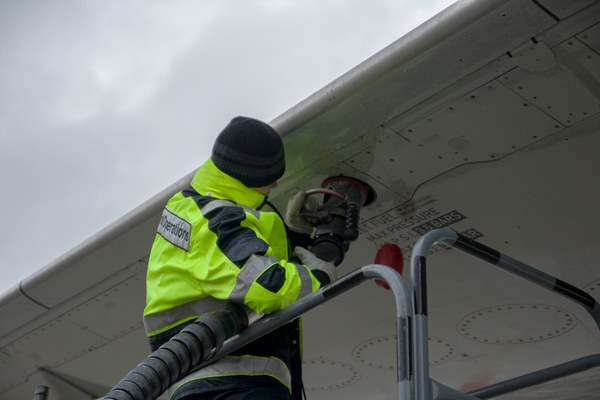
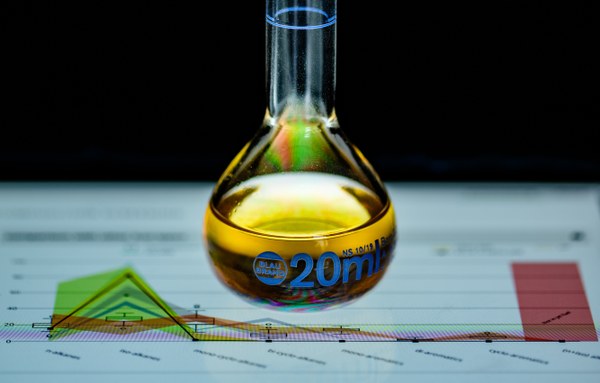
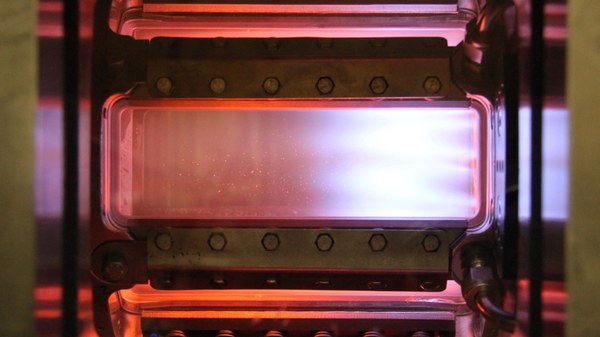
A key focus of our work is research into production technologies for manufacturing alternative fuels and their targeted optimisation for aviation. These fuels are regarded as a central building block for the aviation sector of tomorrow. They are chemically almost identical to kerosene from fossil sources, but are not derived from fossil raw materials. They also produce significantly lower carbon dioxide (CO2) emissions from production through to combustion. In this field, we are developing methods to evaluate, test and improve SAFs, while working specifically on innovative processes such as Power-to-Liquid and Sun-to-Liquid, as well as their scaling potential. The aim is to accelerate the market introduction of large-scale production of electricity-based fuels – a crucial step towards climate-compatible medium- and long-haul flights.

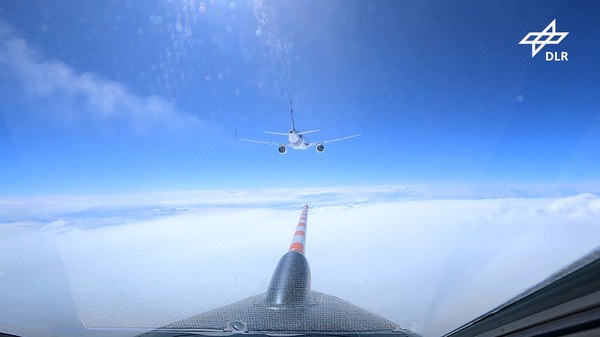
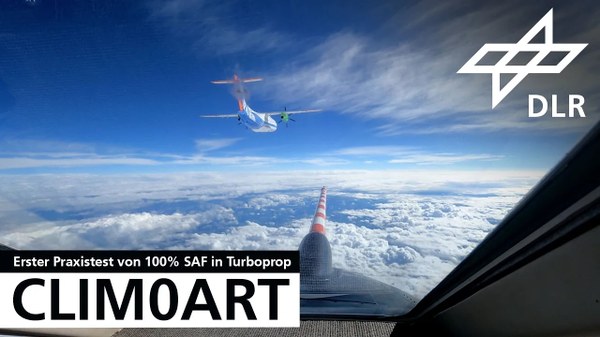
We also use our expertise and infrastructure to better understand and optimise the use of these fuels in real-world flight operations. Flight measurement campaigns and digital assessment tools, for example, are used to analyse the emissions impacts of different SAF blends and to quantify their potential savings compared with conventional fossil-derived kerosene.

DLR as a strong partner for industry and public stakeholders

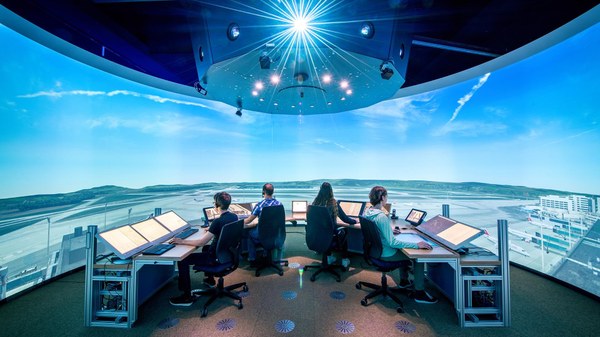
Our work towards more climate-compatible flight therefore covers a broad range of topics. These include low-emission propulsion systems based on hydrogen, electrification and sustainable fuels, novel aerodynamically optimised aircraft concepts, the analysis of non-CO2 climate effects and the development and implementation of flight route planning designed to reduce the climate impact. We also address issues related to energy and infrastructure integration, as well as digital solutions for a more efficient air transport system.

Using a systemic approach that consistently considers technology, operations and the transport network as a whole, DLR serves as an important strategic partner for industry, research and policymakers in Germany, Europe and around the world. Through our scientifically robust approach, we help shape and advance the transformation of aviation.

An overview of selected DLR research priorities

  • Propulsion and energy
  • Aircraft concepts and designs
  • Emissions and climate impacts
  • Flight operations and system integration
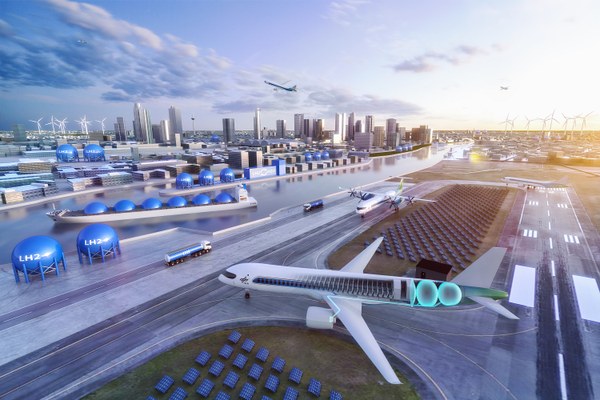
  • Infrastructure and energy supply

'eFlight' augmented reality app

DLR is conducting research into a wide range of technologies for environmentally compatible aviation. The 'eFlight' augmented reality app allows users to explore these technologies and approaches.

Background articles

News

Loading
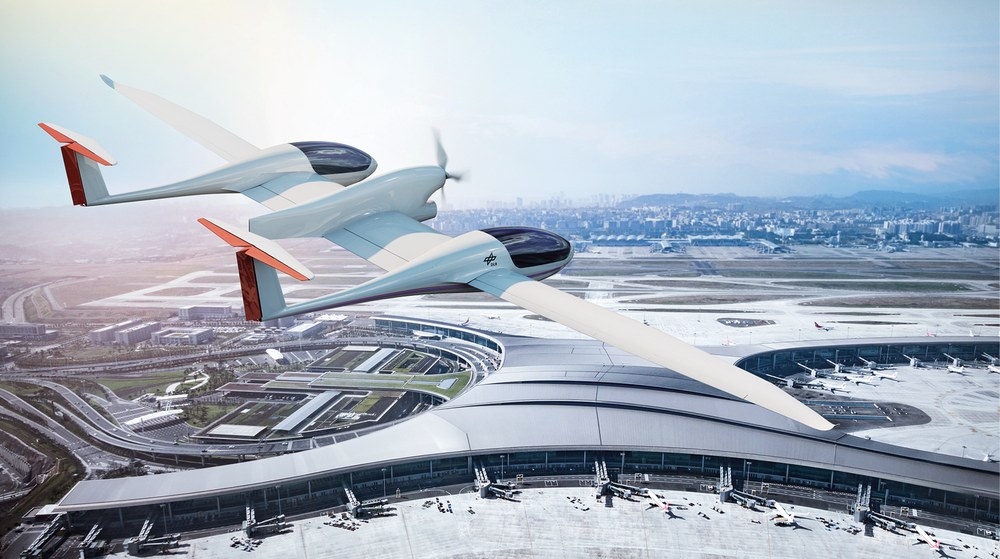
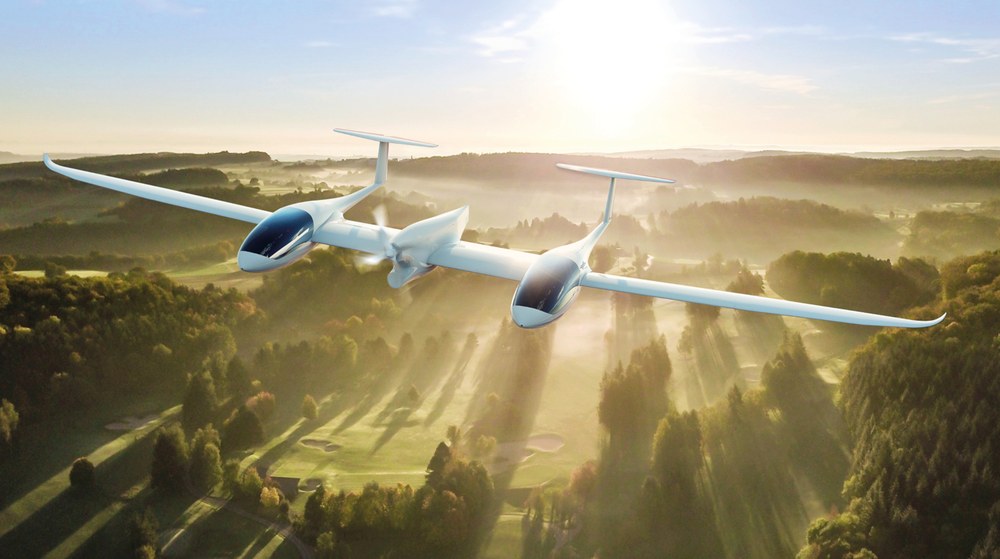
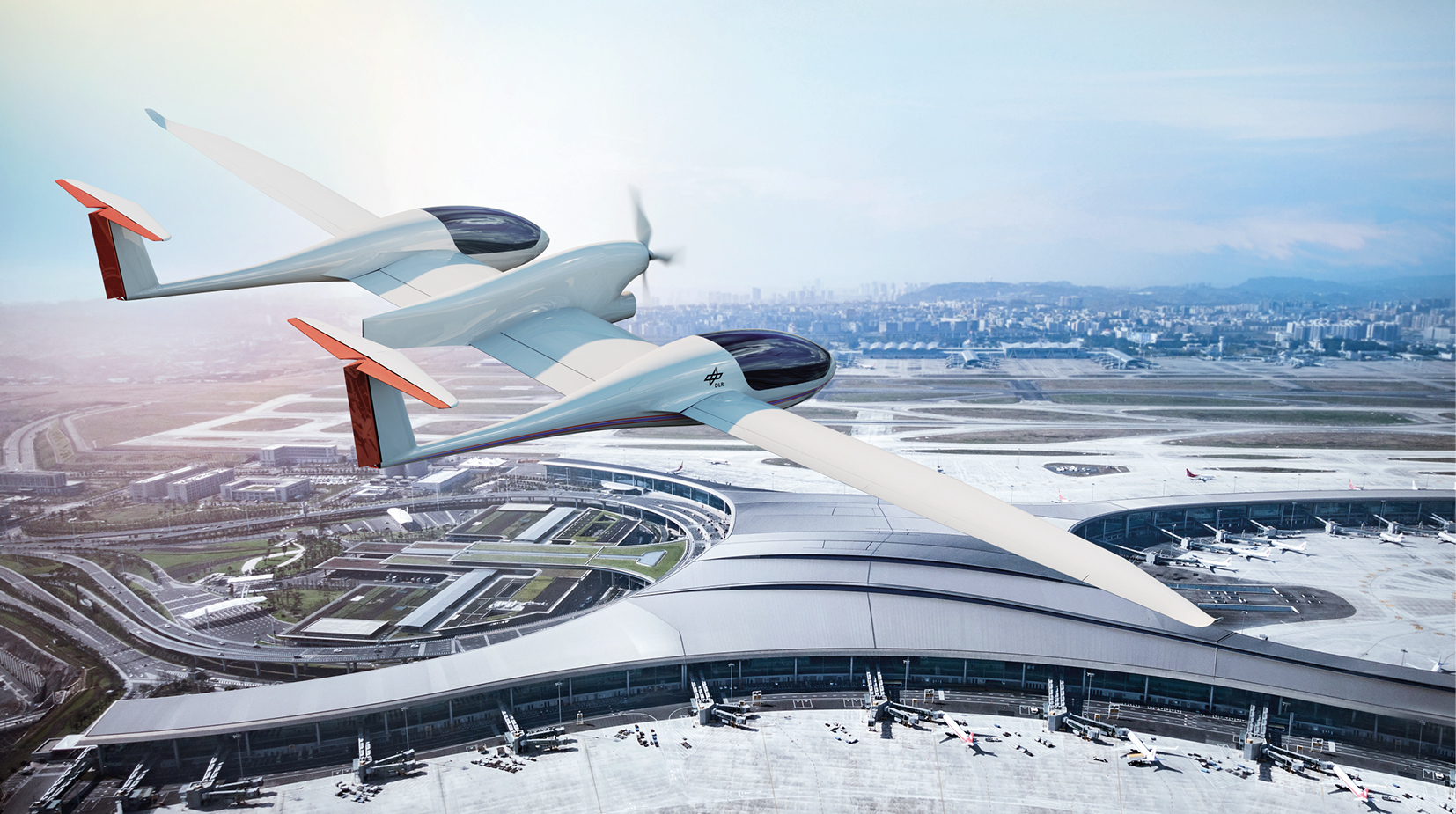
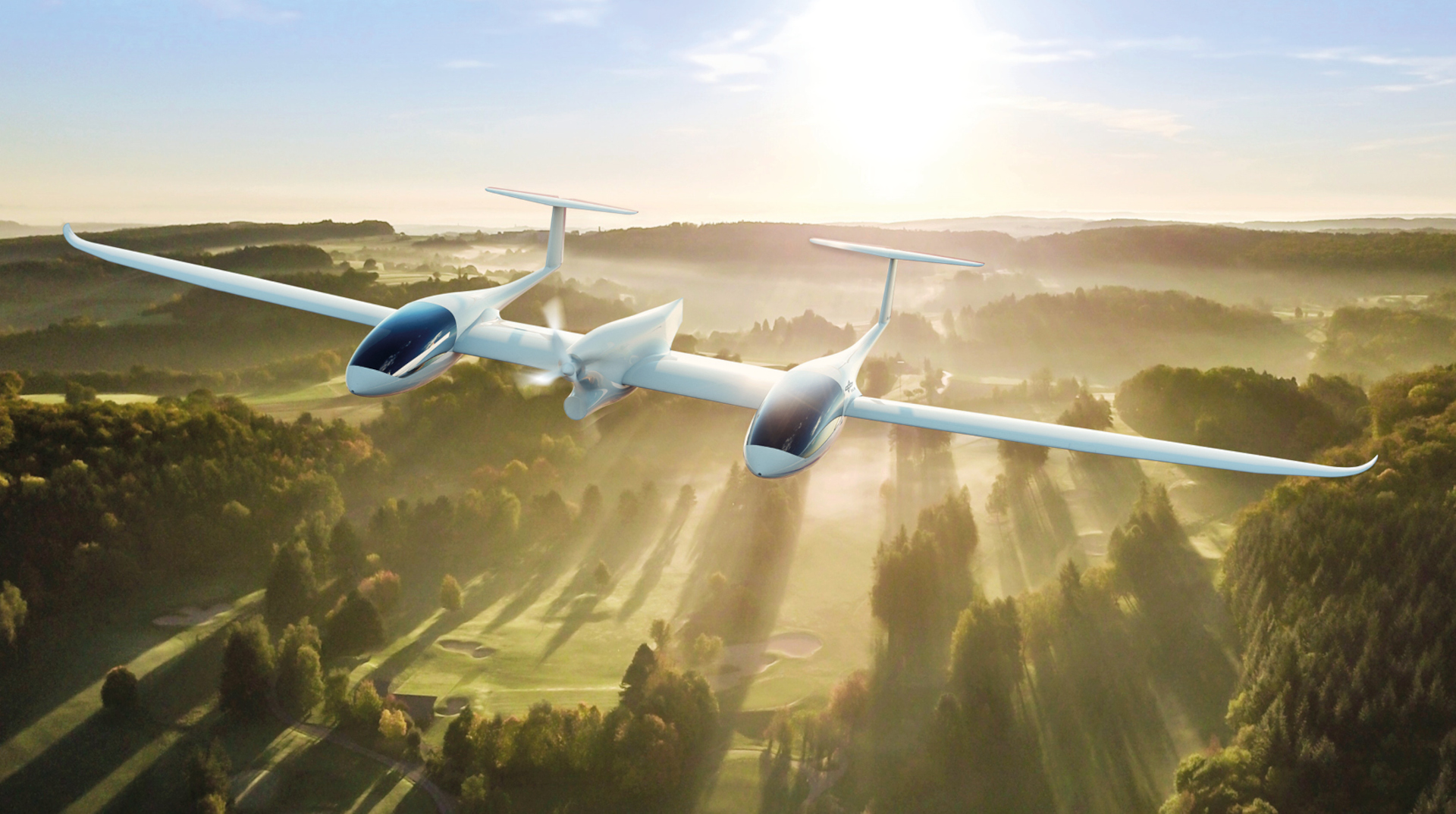
Hy4 – the world's first four-seat pas­sen­ger air­craft with hy­dro­gen fu­el cell tech­nol­o­gy and elec­tric propul­sion
In this manner, the Hy4 marks a milestone. It is a hybrid aircraft with PEM fuel cells and high-performance lithium batteries to support take-off and altitude changes.
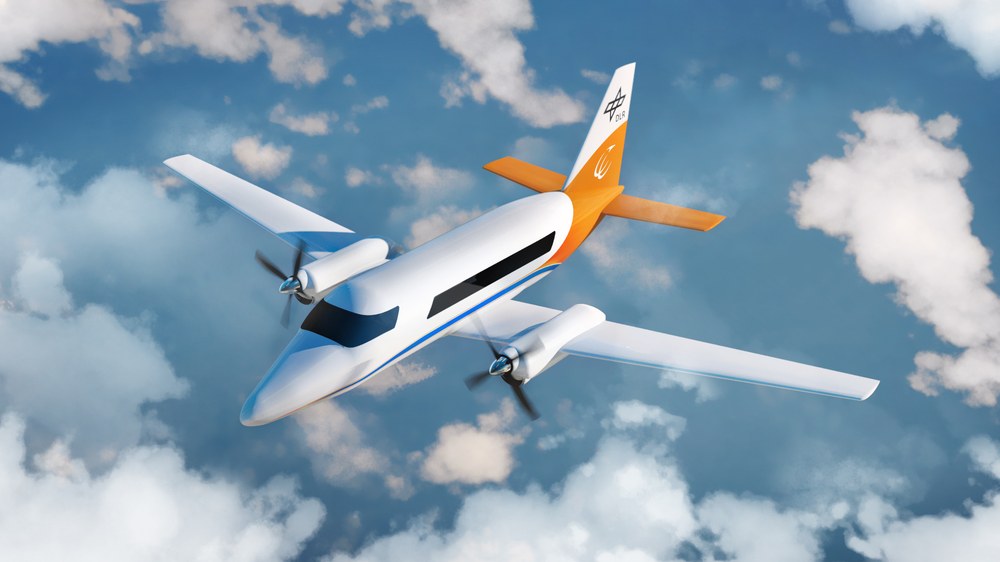
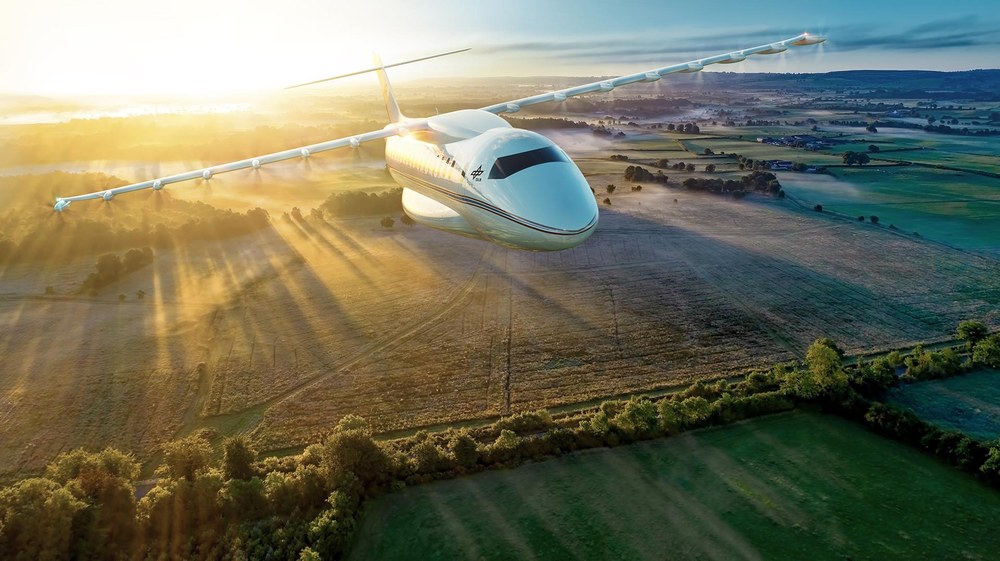
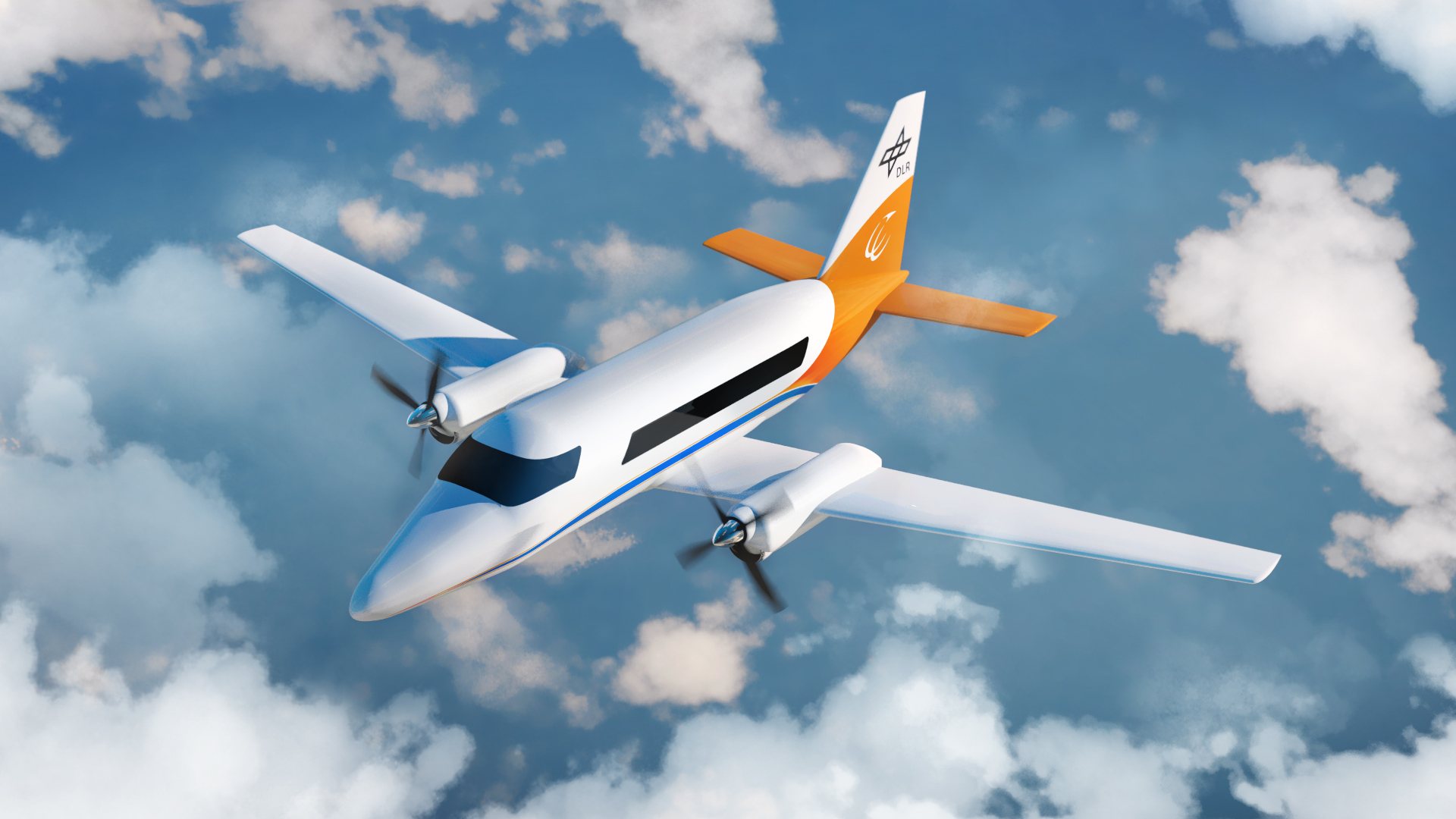
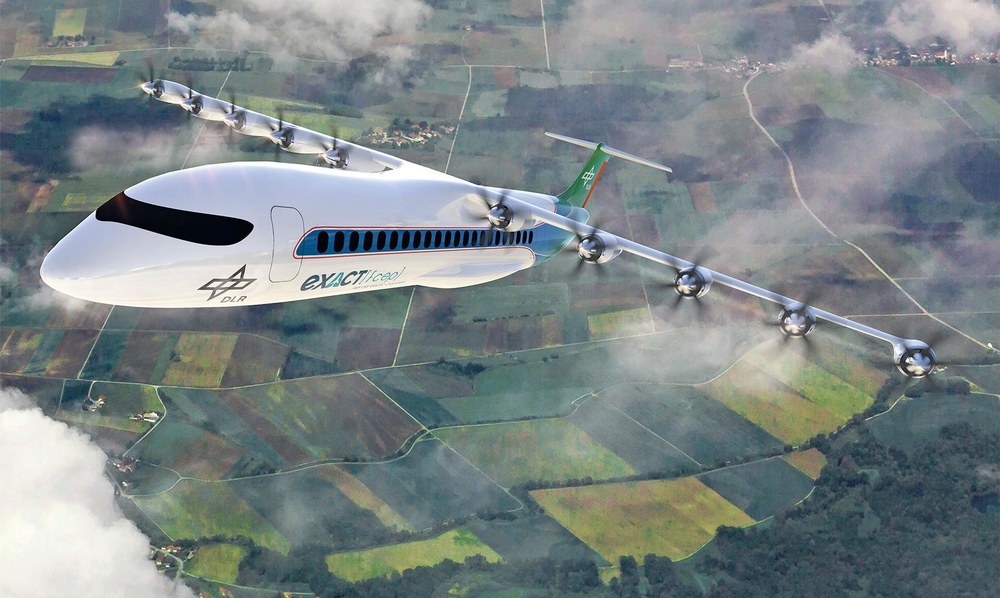
Electric high-flyer for 19 passengers
The configuration represents an electric high-flyer with gas turbines for cruise flight. The conceptual study includes four electric propellers and two gas turbines integrated into the inner nacelles parallel to the electric motors. Batteries are in the landing gear nacelles on the fuselage.
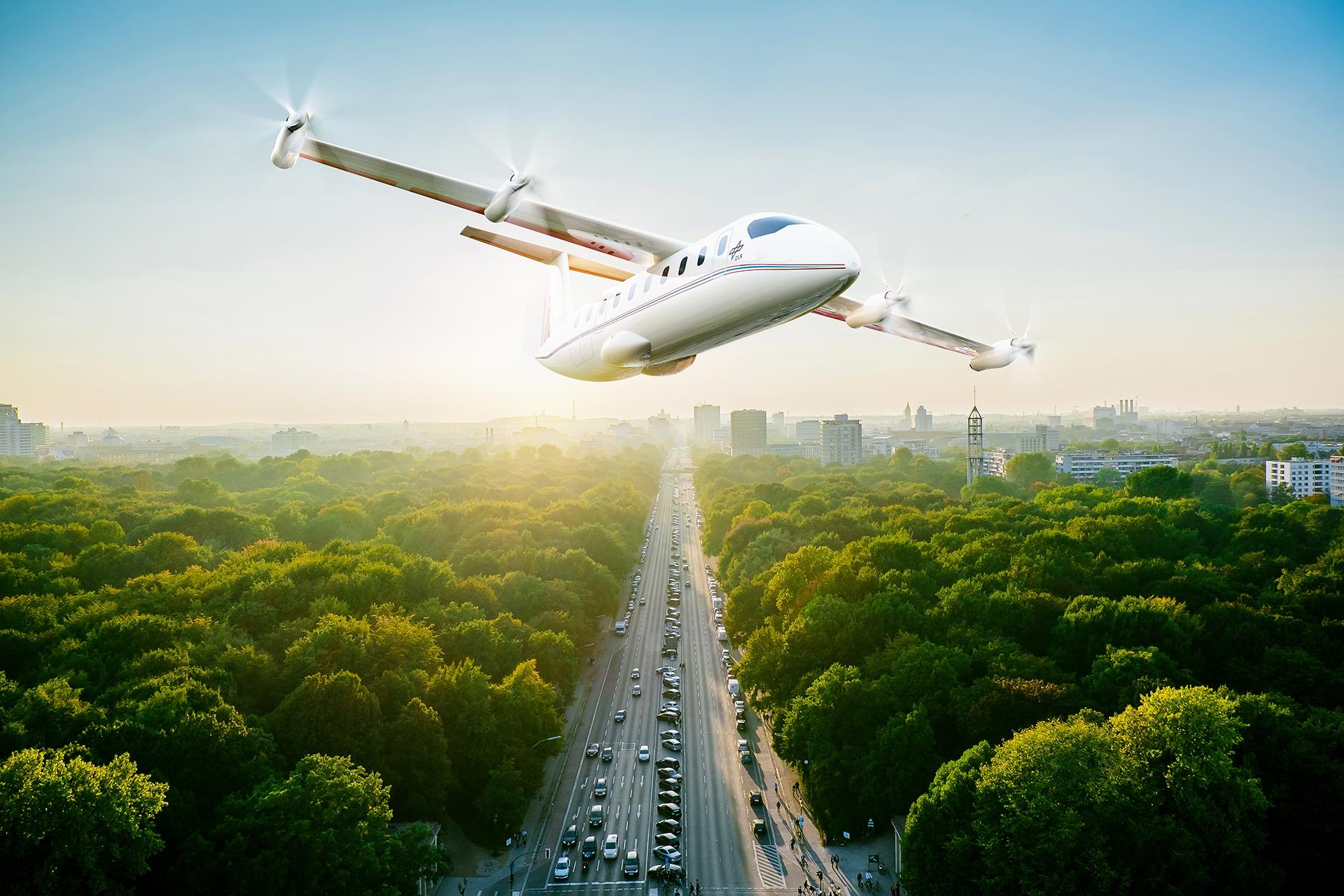
Conceptual study of a hybrid electric 19-seater
DLR and Bauhaus Luftfahrt analysed the possibilities and potentials of hybrid-electric 19-seaters. The results show that electric drives can be used to save CO 2 for short distances of up to 350 km that are frequently flown in this class.
Credit:

DLR/BHL

DownloadDownload
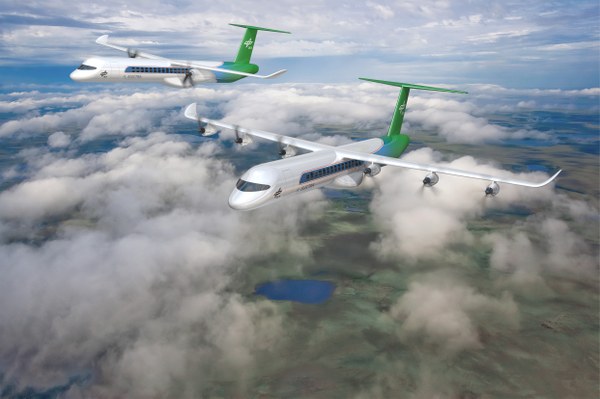
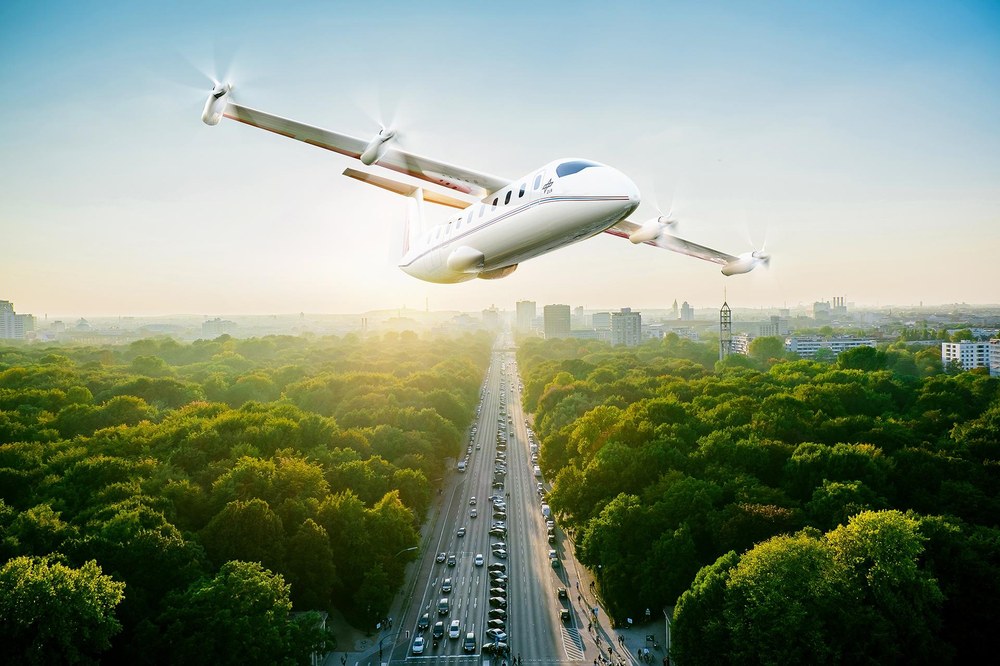
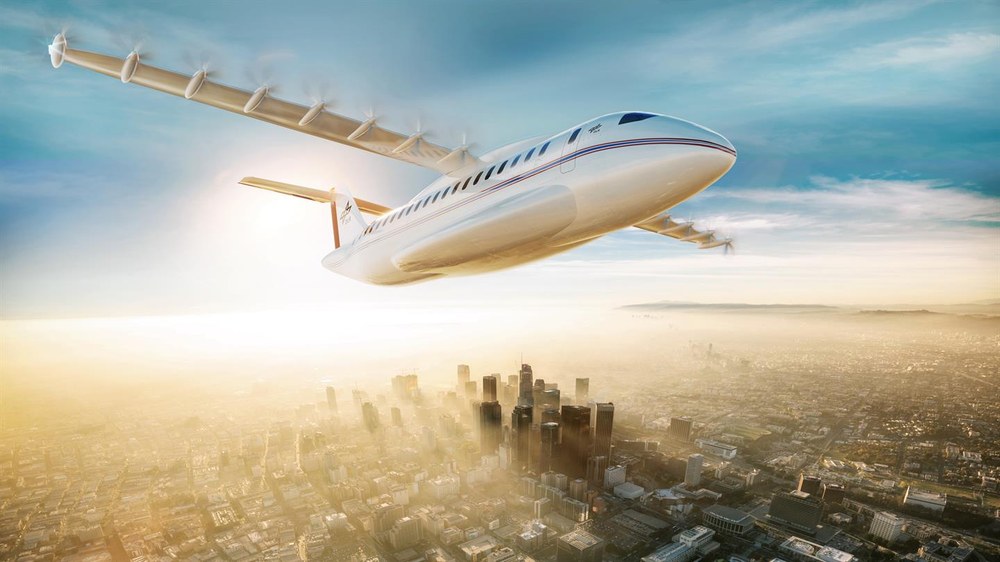
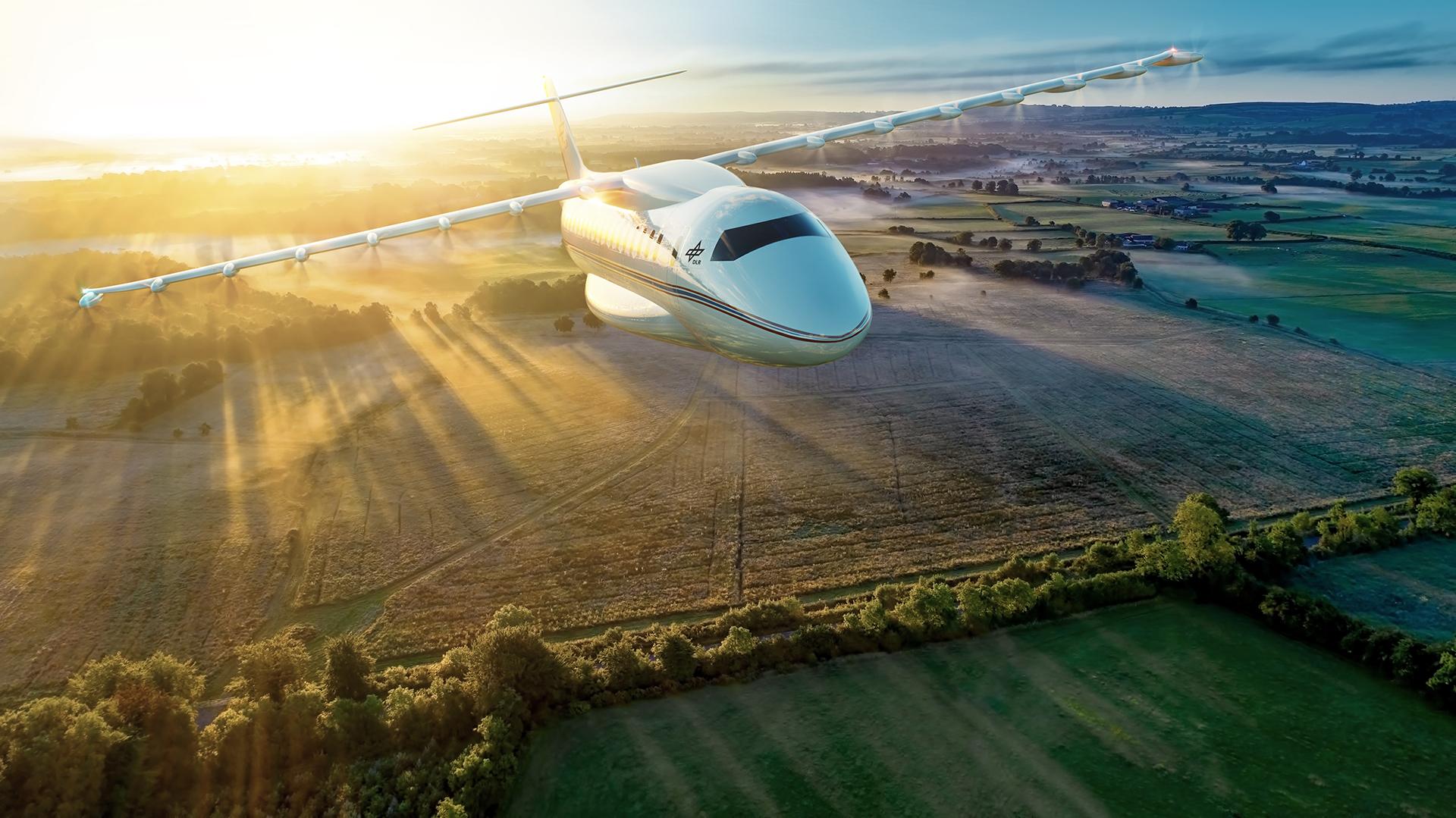
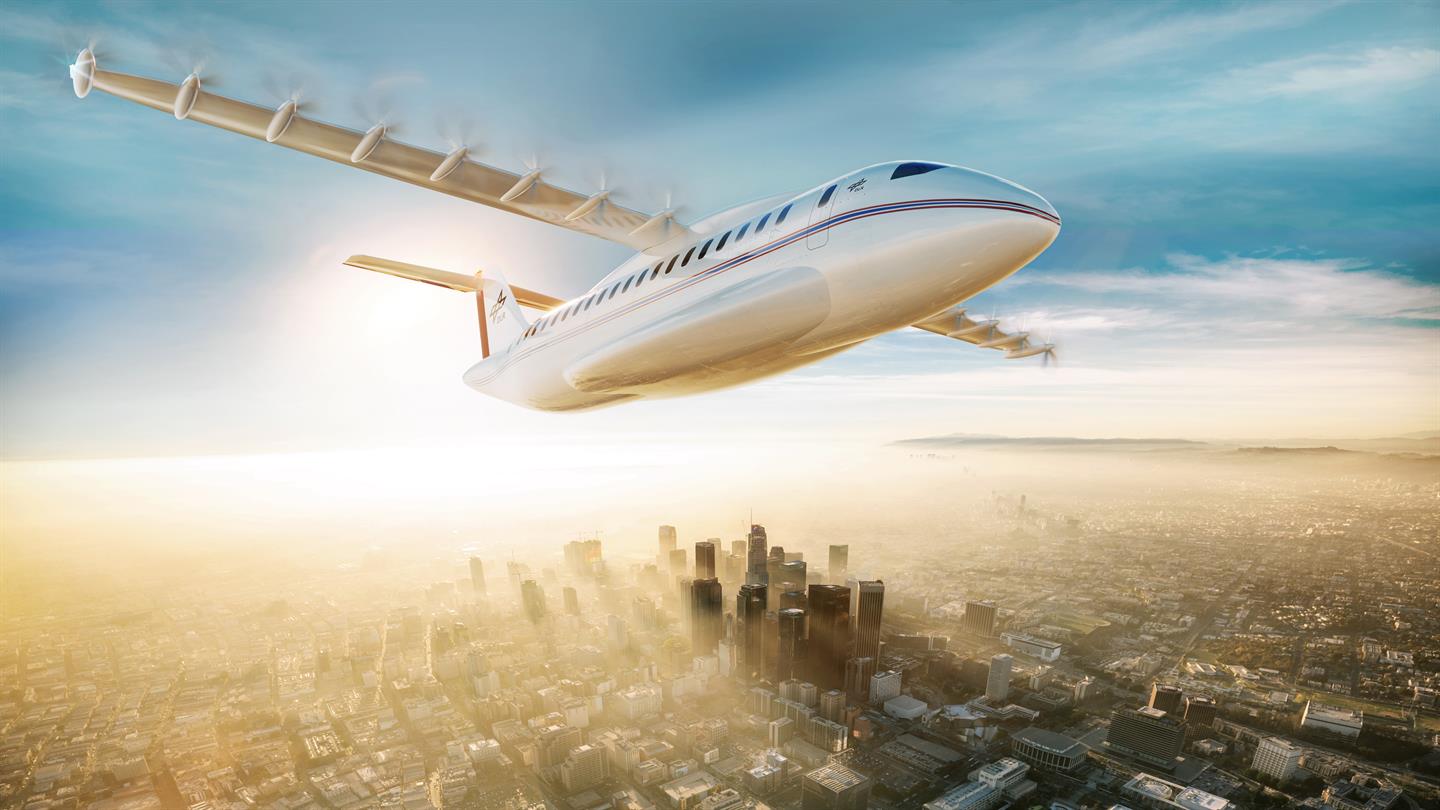
Con­cep­tu­al study of a hy­brid elec­tric re­gion­al air­craft
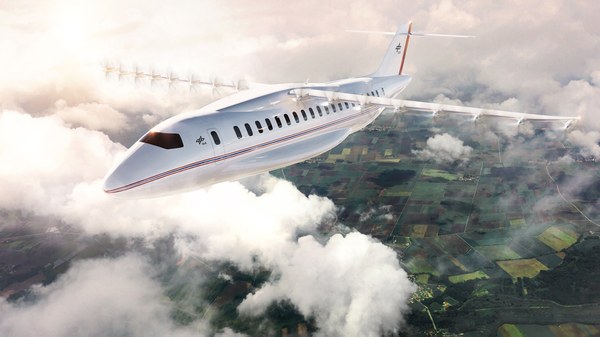
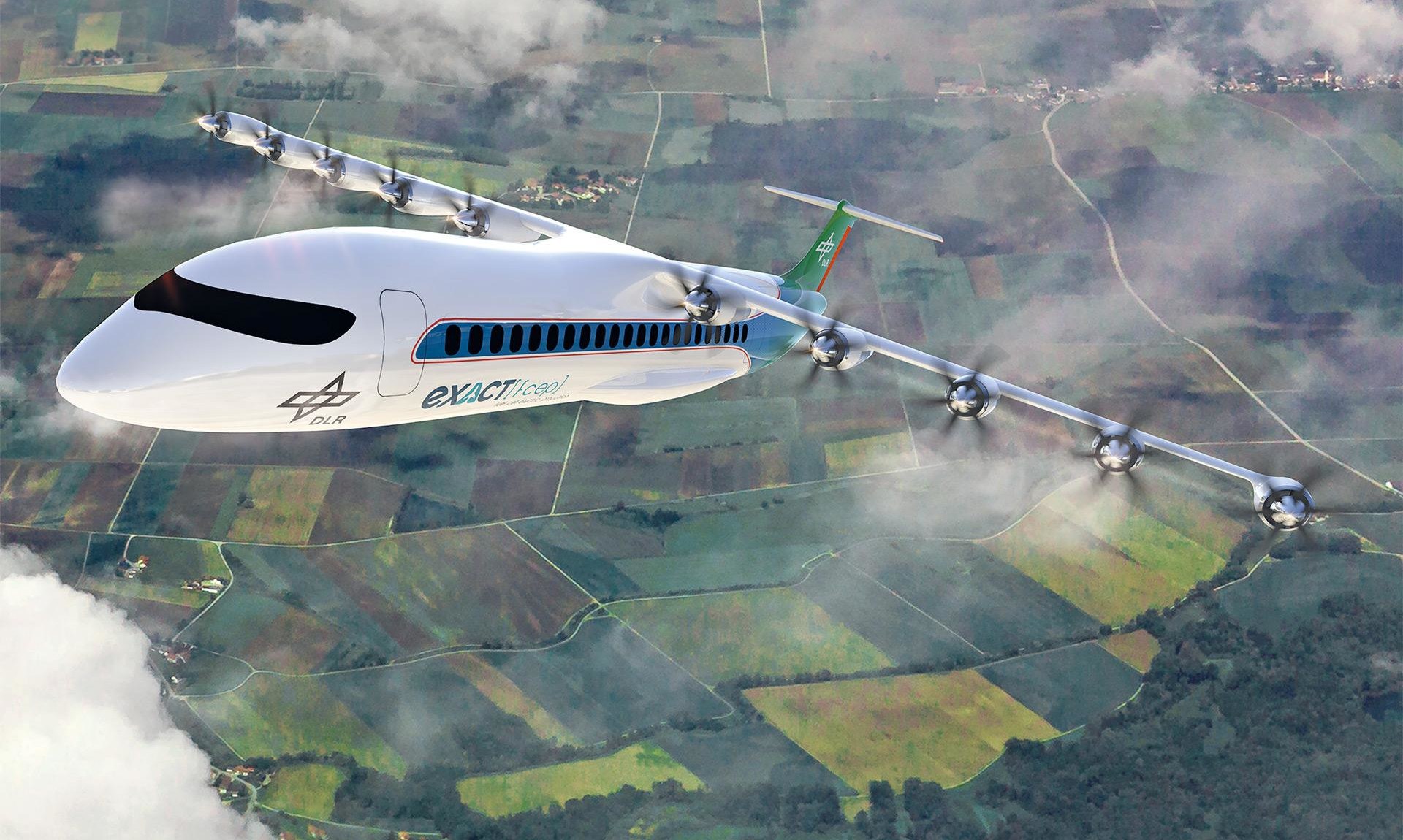
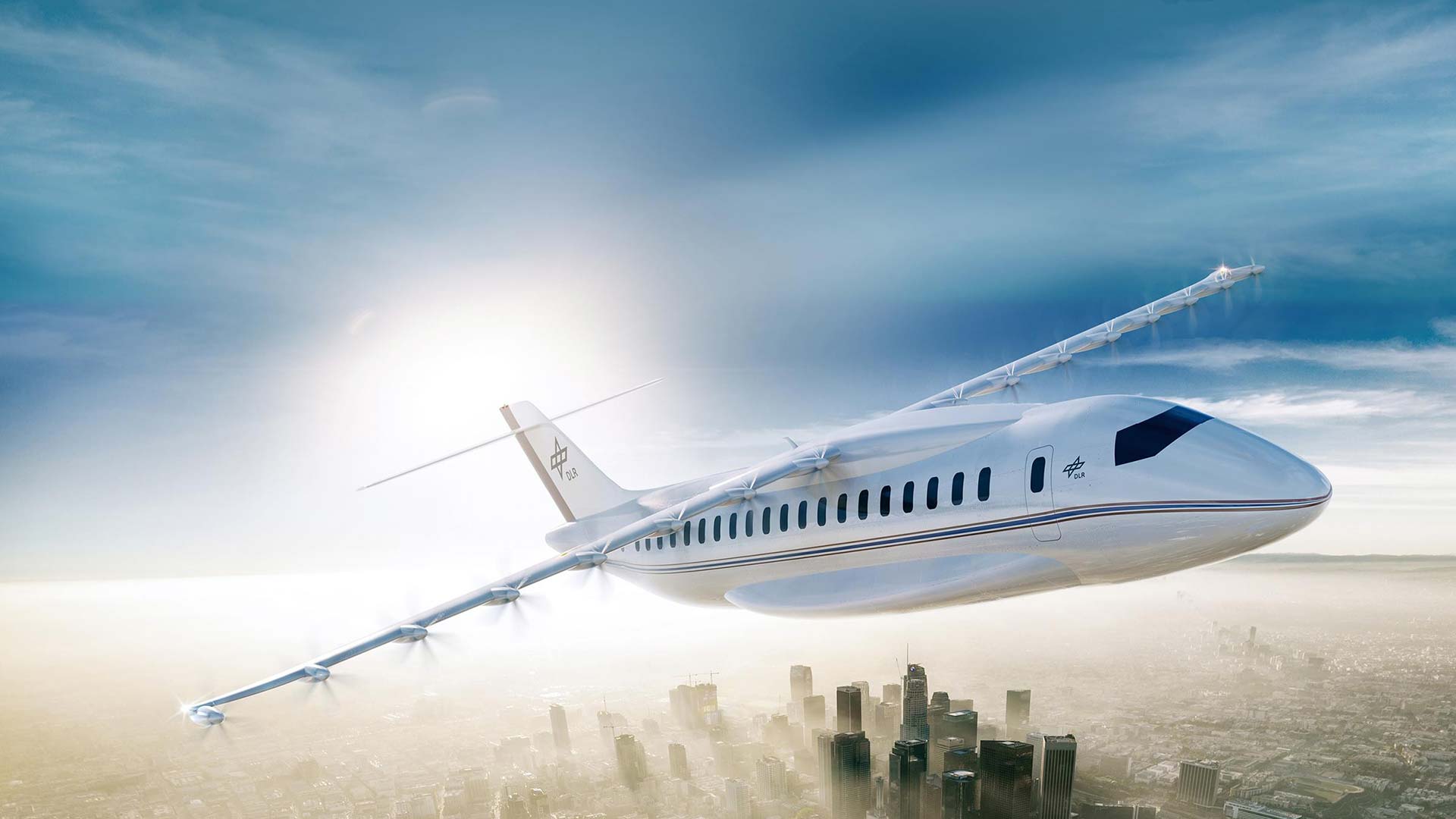
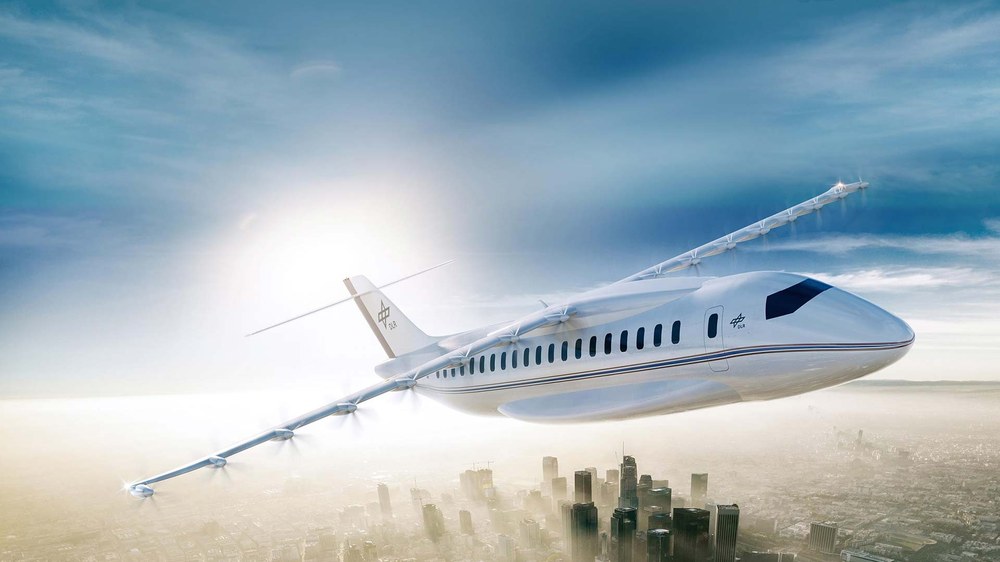
The conceptual study presents a regional aircraft with distributed electric drives at the leading edges of the wings, which can improve efficiency and reduce energy consumption. Together with industrial partners, DLR is investigating the effects of distributing the propulsion masses over the entire aircraft.
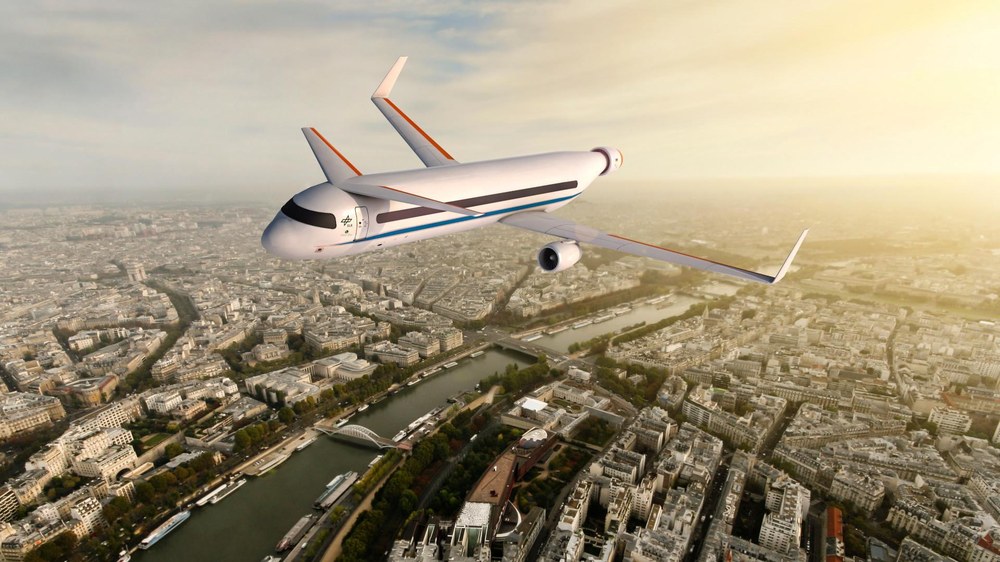
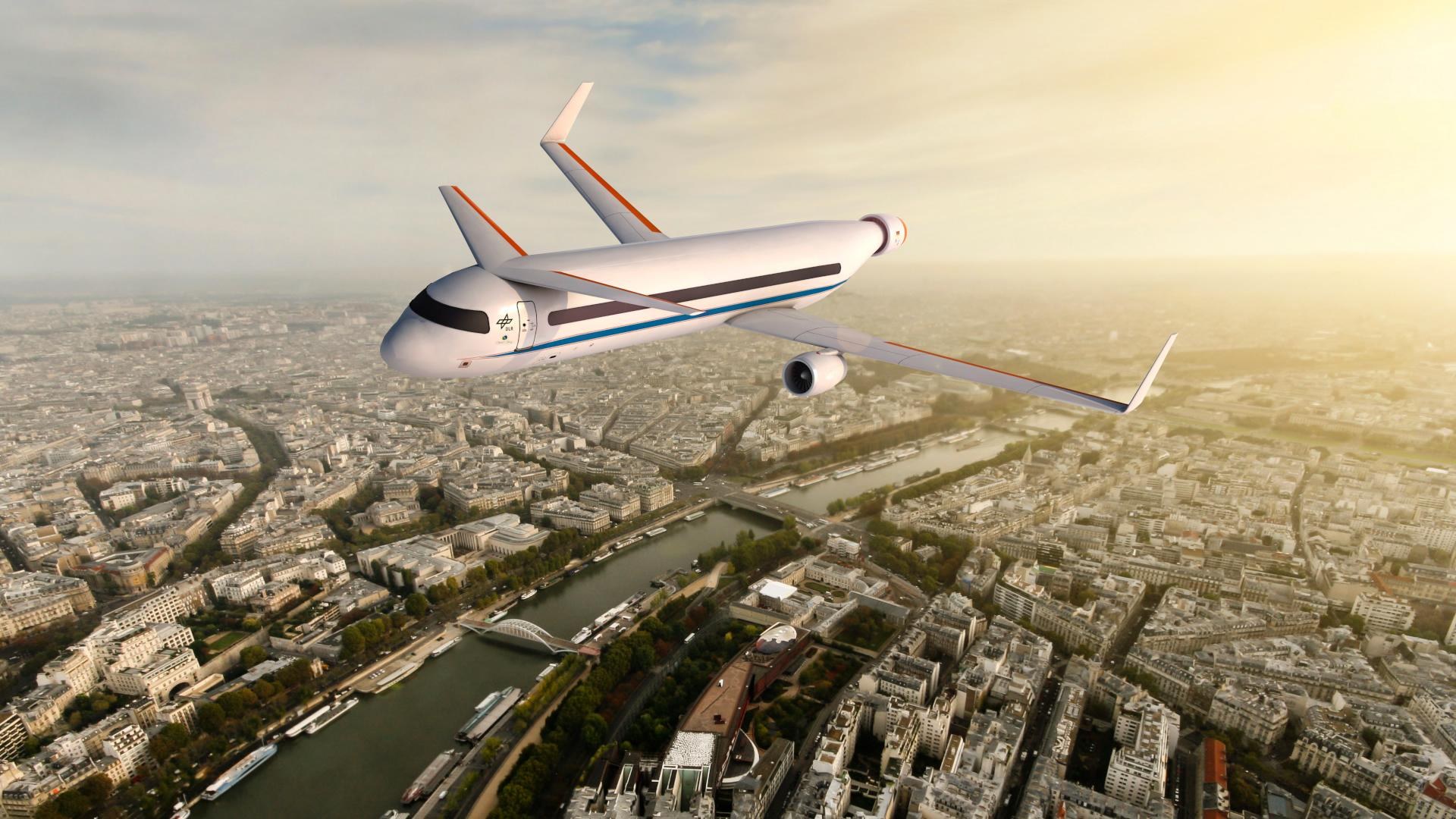
Hybrid electric short-haul aircraft
An electrically driven fan at the rear of the aircraft ingests the fuselage boundary layer, thereby improving propulsion efficiency. The research work is being carried out in the ADEC (Advanced Engine and Aircraft Configuration) project as part of the European Clean Sky 2 programme.
Fly­ing with hy­dro­gen
Hy4 paves the way for climate-neutral passenger aircraft.
Elec­tric re­gion­al air­craft with dis­tribut­ed propul­sion
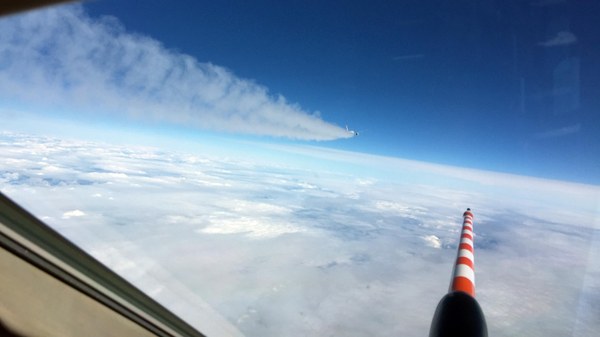
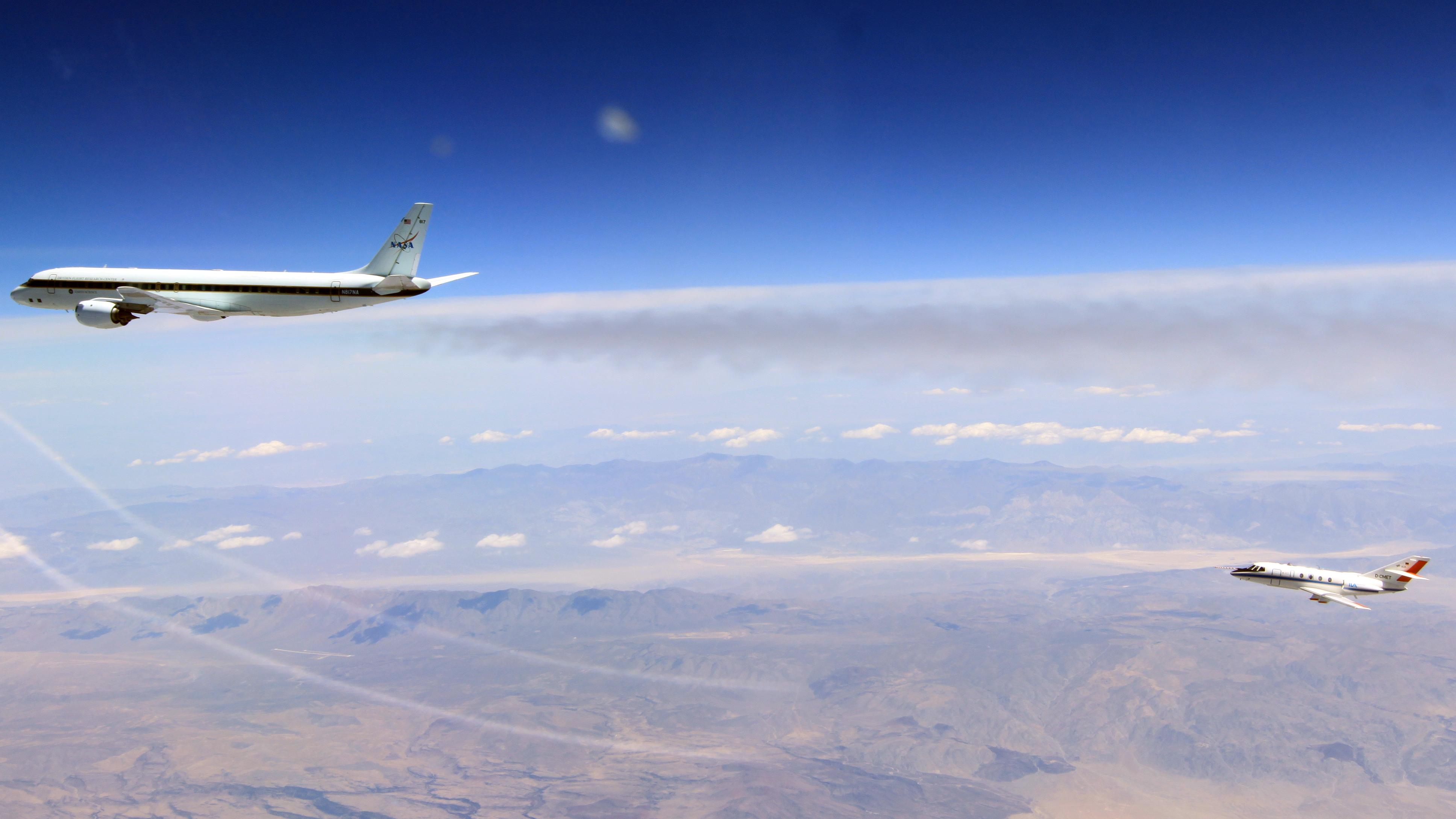
Ex­haust gas mea­sure­ments dur­ing for­ma­tion flight
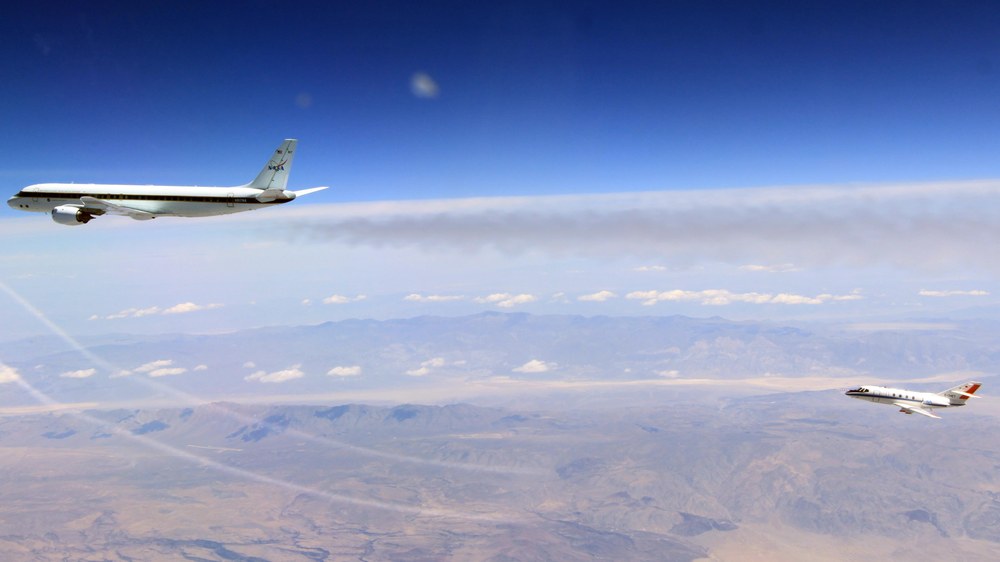
Behind the DC-8, which is using biofuel, scientists on board the DLR Falcon measure the exhaust gas composition.
Credit:

NASA

DownloadDownload

Contact

Falk Dambowsky

Head of Media Relations, Editor
German Aerospace Center (DLR)
Corporate Communications
Linder Höhe, 51147 Cologne
Tel: +49 2203 601-3959