Skip to main contentSkip to navigationSkip to footer
  • DLR Portal
  • Press
  • Accessibility
deen
DLR Logo
Institute of
Combustion Technology
  • About us

    • ▾The institute
      • ▾Gas Turbine Research Center
    • ▾Departments
      • ▾Combustor Systems and Diagnostics
      • ▾Chemical Kinetics and Analytics
      • ▾Computer Simulation
      • ▾Gas turbines
      • ▾Multi-phase Flow and alternative Fuels
    • ▾Getting there
    • Research & Transfer

      • ▾Research topics
        • ▾Flexible jet-stabilised combustion chambers
        • ▾Technology platform power-to-liquid fuels (TPP)
        • ▾Sustainably scalable synthetic fuels
        • ▾Software development
        • ▾Hydrogen research at the Institute
        • ▾Decentralised electricity and heat supply
        • ▾How we analyse emissions
      • ▾Projects
        • ▾FLEX4H2
        • ▾M2SAF
        • ▾ALIGHT
        • ▾JETSCREEN
        • ▾SAFari
        • ▾Retrofit H2
        • ▾NeoFuels
        • ▾MarPower
      • ▾Research infrastructure
        • ▾Research Power Plant
        • ▾Shock tube laboratory
        • ▾Chemical Analysis
        • ▾Reaction kinetics experiments
        • ▾Mobile measuring laboratory
        • ▾Hybrid-electric ground demonstrator (HeBo)
        • ▾Micro gas turbine systems
        • ▾Optical and laser based diagnostics
        • ▾Atmospheric combustion test benches
        • ▾High Performance Computing Infrastructure
        • ▾High Pressure Optical Test Rig (HiPOT)
        • ▾High-pressure combustion chamber test rig HBK-S
      • ▾Research services
        • ▾Chemical-kinetic reaction models
        • ▾Monitoring air quality with a focus on ultrafine particulate matter (UFP)
        • ▾DLR Prescreening® of new fuel candidates
        • ▾Technical Fuel Assessment
        • ▾Emission measurements with a focus on particles
        • ▾Development of new combustion chambers
        • ▾Creation of validation data records
      • ▾FAQ
        • ▾FAQ Sustainable Aviation Fuels (SAF)
        • ▾Frequently Asked Questions about gas turbines and energy transition
    • Latest

      • ▾News
        • ▾Events
        • Media

          • ▾Images
            • ▾Videos
              • ▾Publications
              • Careers & Education

                • ▾Offers for children and young people
                  • ▾For students
                    • ▾Vacancies
                    >
                    About us
                    >
                    Departments
                    Home
                    >
                    About us
                    >
                    Departments

                    Departments

                    The Institute of Combustion Technology focuses on the development of innovative combustion chamber concepts, the development and optimisation of sustainable chemical energy sources for aviation and the development of decentralised power plant concepts. The Institute is divided into the following five departments:

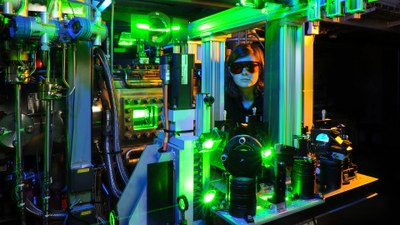
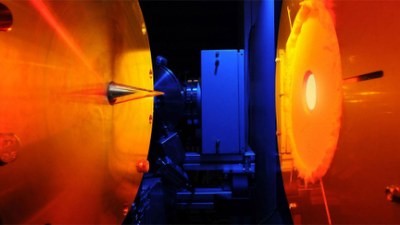
                    Combustor Systems and Diagnostics

                    The conversion of stationary gas turbines and aircraft engines to operation with non-fossil fuels such as hydrogen or fuels from power-to-liquid processes is an important component of the energy transition and the subject of our current research.

                    Chemical Kinetics and Analytics

                    Our research focuses on novel, synthetic fuels from renewable sources that are used in the research areas of energy, aviation and transport.

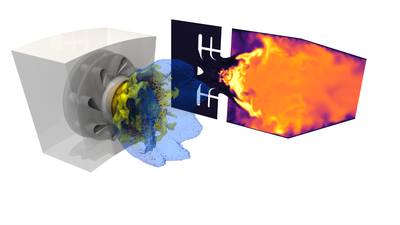
                    Computer Simulation

                    In the computer simulation department, efficient and highly precise numerical methods are developed and used for the calculation of complex flows with combustion.

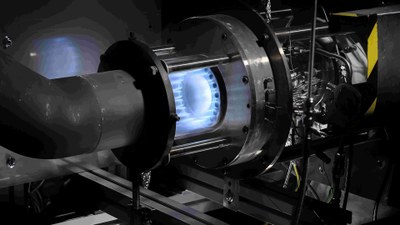
                    Gas turbines

                    The energy system of the future will be based on energy from renewable sources. This has many advantages but one major disadvantage - the electricity yield will fluctuate significantly over a day and throughout the year.

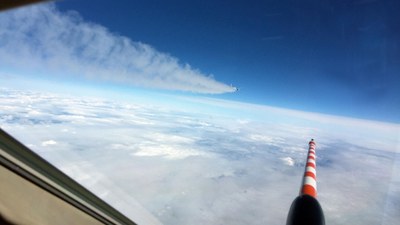
                    Multi-phase Flow and alternative Fuels

                    The research activities in the department focus on enabling an effective transition to sustainable aviation fuels (SAF). The department places particular emphasis on the holistic evaluation and optimization of sustainable fuels through fuel design and digital methods. 

                    DLR logo
                    Institute of
                    Combustion Technology
                    DLR Logo
                    Institute of
                    Combustion Technology

                    70569 Stuttgart Pfaffenwaldring 38-40

                    Contact

                    • Contact form

                    About the website

                    • Accessibility
                    • Privacy Policy
                    • Privacy Settings (Cookies)
                    • Imprint & terms of use
                    Visit us here:
                    Visit us on LinkedinVisit us on Bluesky
                    Supported by: Federal Ministry of Research, Technology and Space