DLR presents findings from historical reappraisal of its predecessor organisations
June 12, 2026 | History of DLR
DLR presents findings from historical reappraisal of its predecessor organisations
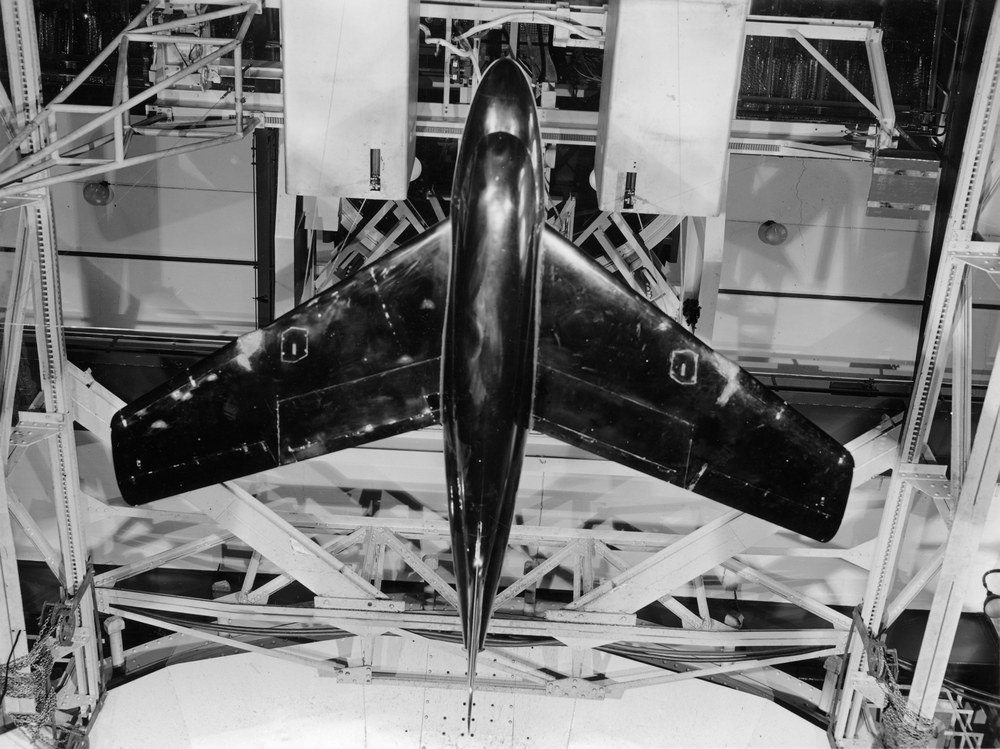
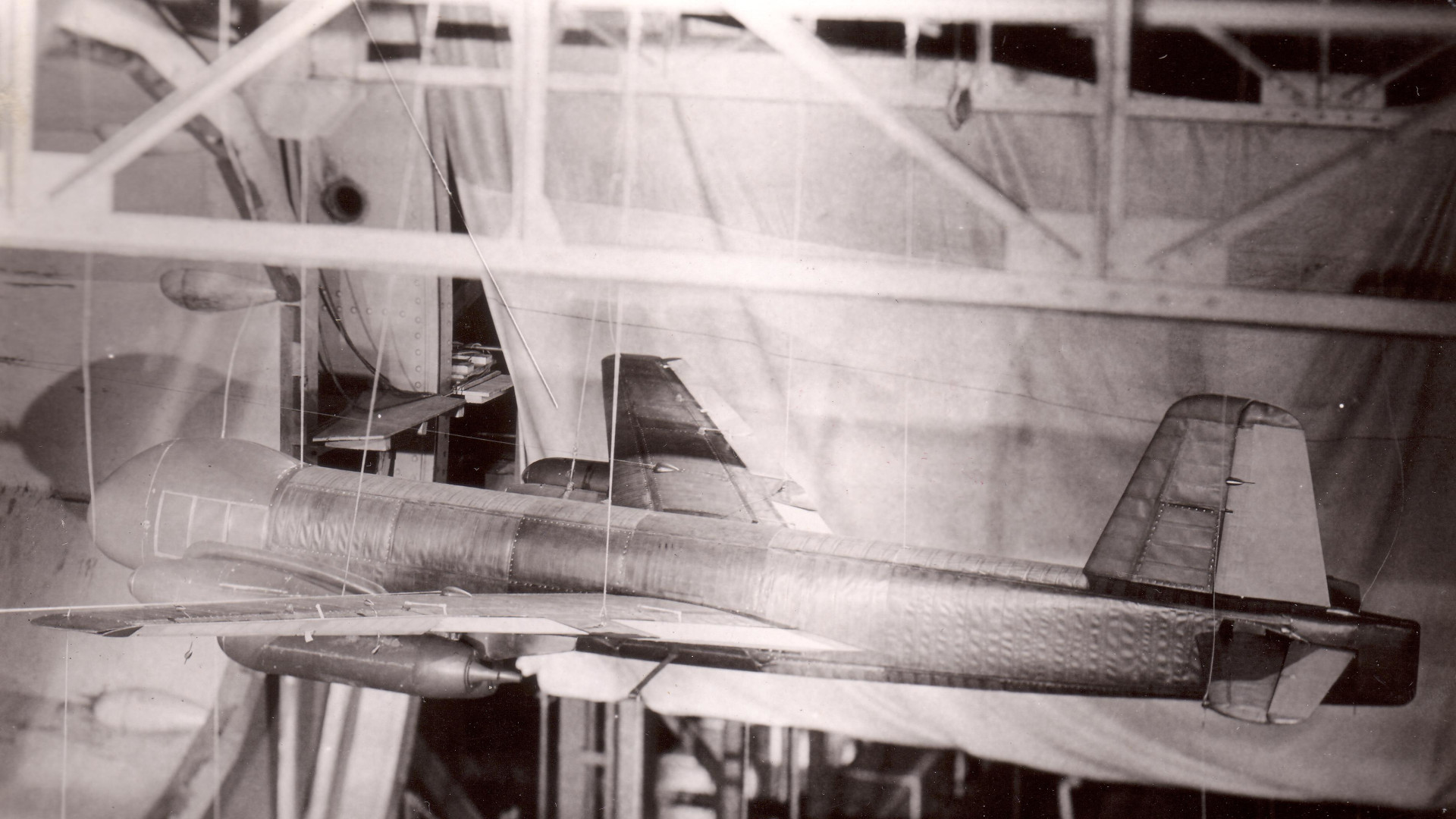
Model of a Messerschmitt Me 263 aircraft in the AVA wind tunnel in Göttingen, 1941
During the Nazi era, German aviation focused primarily on military research. At the same time, however, significant advances were made in the development of swept-wing aircraft and jet engines. In the post-war period, these technologies were adopted by civil aviation.
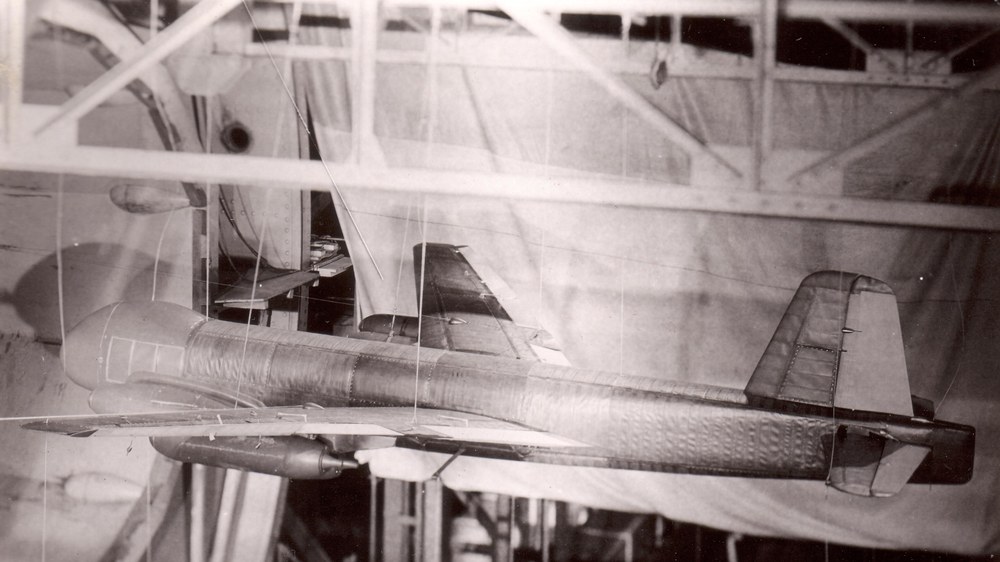
The Junkers 287, the world's first swept-wing aircraft, made its maiden flight as a prototype in 1944. Forward-swept wings have only recently been revisited. Pictured here is a model in a wind tunnel at the Aerodynamics Research Institute in Göttingen.
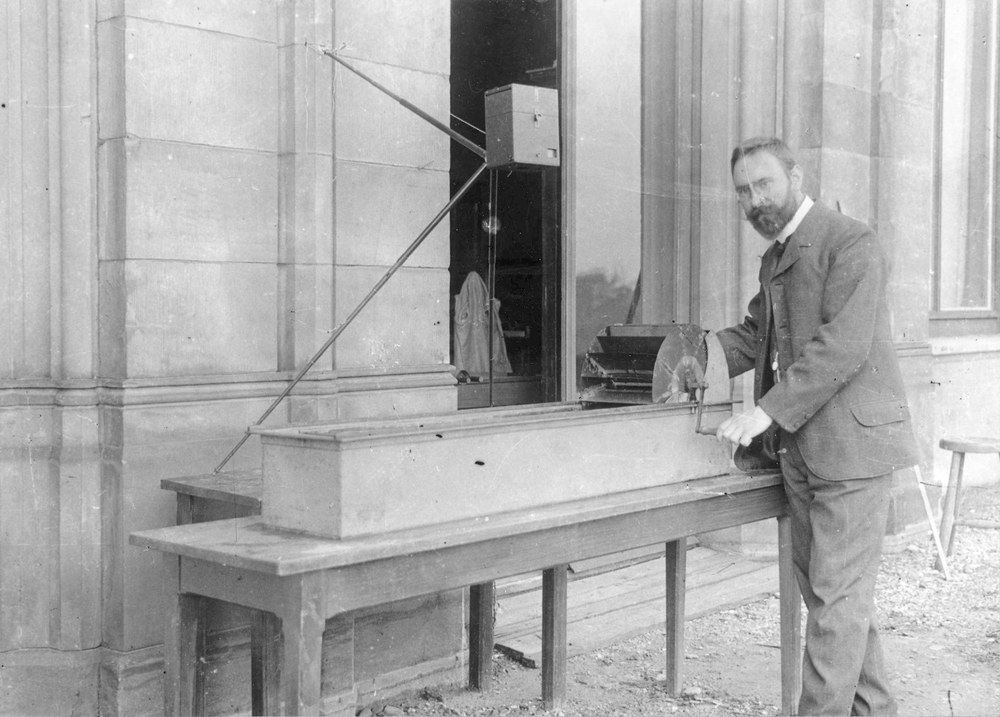
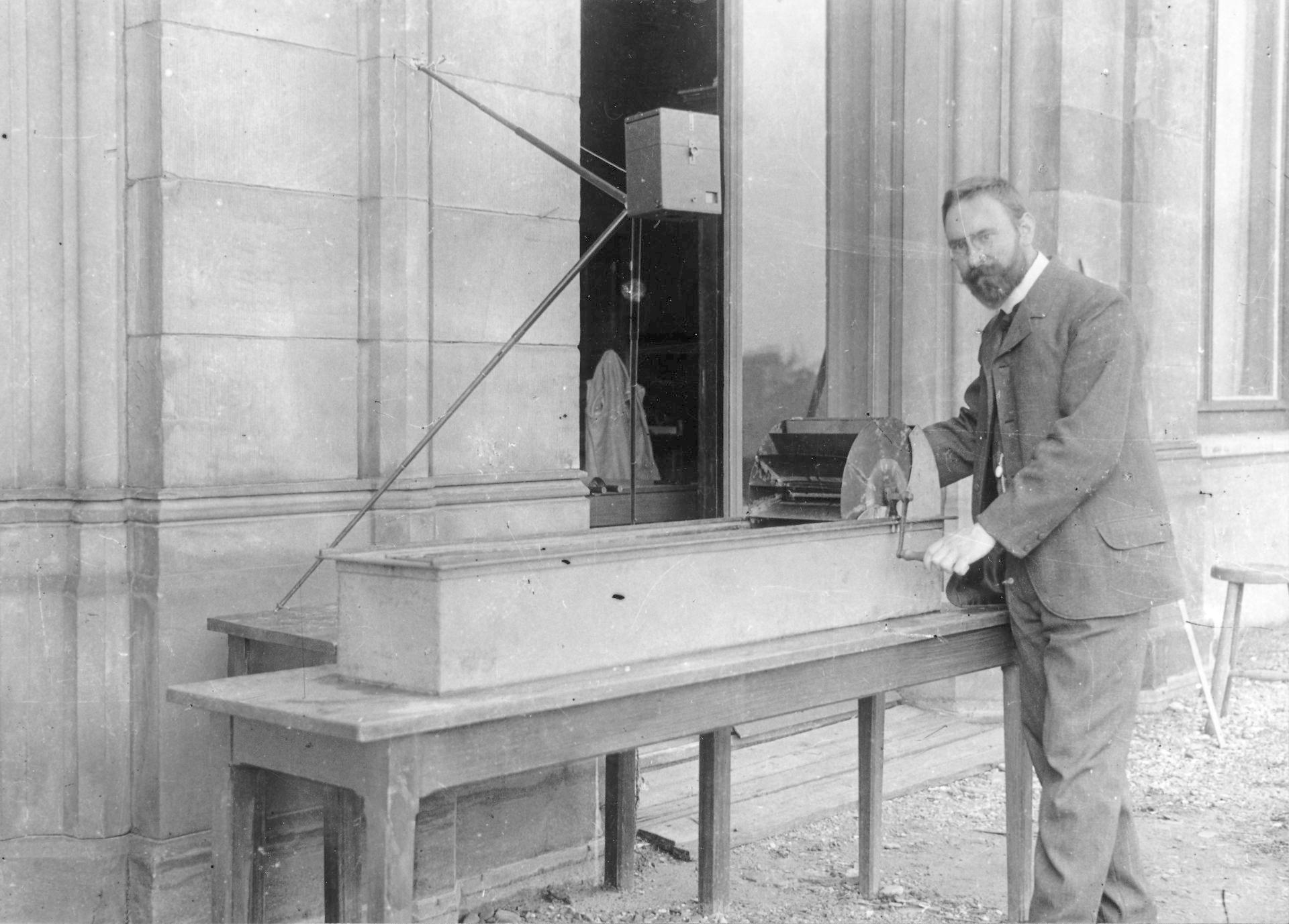
Ludwig Prandtl by the water channel at the Hochschule Hannover, 1904
Prandtl is regarded as the founding father of DLR. At the beginning of the 20th century, he played a decisive role in shaping the early days of aviation research in Germany during the German Empire.
Independent oversight by a scientific advisory board
Five monographs, two illustrated books and an exhibition in preparation
Completion of the overall project: end of 2026
The German Aerospace Center (Deutsches Zentrum für Luft- und Raumfahrt; DLR) has presented the first findings from its project on the historical reappraisal of its predecessor organisations. Since 2023, historians have been examining the significance of DLR's predecessors in the development of German aviation research. The period under investigation spans from the founding of the Institute of Model Testing of the Motorised Airship Study Society (Modellversuchsanstalt der Motorluftschiff-Studiengesellschaft; MVA) in 1907 to the end of the Second World War. The findings highlight the scientific and technical achievements of these institutions and their involvement in the political and military structures of their time.
"As DLR, we embrace our responsibility not only to document our past, but also to learn from it," says Anke Kaysser-Pyzalla, Chair of the DLR Executive Board. "Our aim is to come to terms with history for ourselves and for the public and to make it transparent. In doing so, we hope to raise awareness of the challenges facing science and technology in different political and social contexts."
DLR's roots can be traced back to the early days of modern aeronautical research. The MVA, founded in Göttingen in 1907, was among the first institutions of its kind in the world. It later developed into the Aerodynamics Research Institute (Aerodynamische Versuchsanstalt; AVA). Here, the foundations were laid that continue to shape aviation to this day. At the same time, the historical research demonstrates that scientific work – particularly in times of war and dictatorship – cannot be viewed in isolation from its political context.
Eight sub-projects examine history up to 1945
For the historical reappraisal, DLR commissioned eight research projects through a Europe-wide call for proposals. These projects address different periods and research questions relating to the development of DLR's predecessor organisations during the German Empire, the Weimar Republic and the Nazi era. An independent scientific advisory board oversees the work and ensures the transparency of the project.
"To understand how aviation research developed in Germany, it is also necessary to shed light on the prehistory of DLR's predecessor organisations," says Jessika Wichner, Head of the DLR Central Archive. "The researchers have evaluated numerous new sources, closing important gaps in the existing literature. This provides a significantly more comprehensive picture of scientific developments and their historical context."
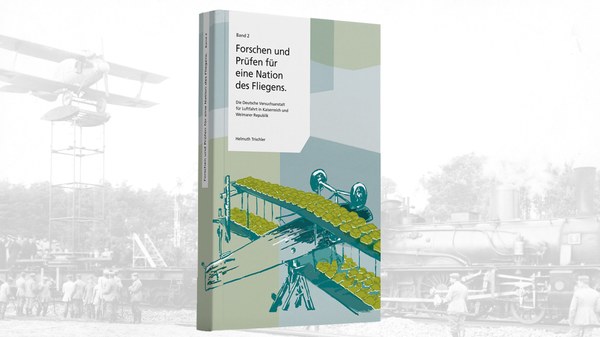
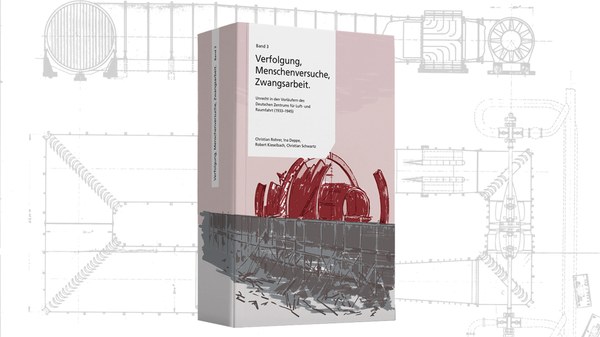
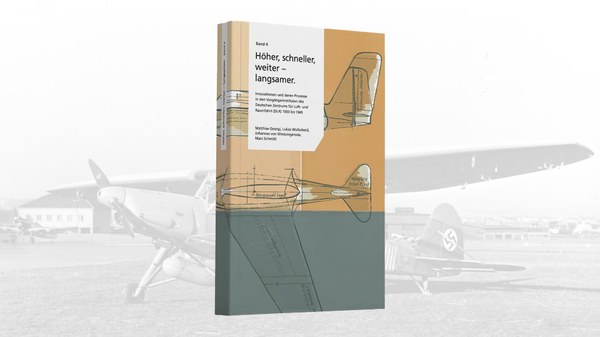
The findings published to date include several monographs focusing in particular on DLR's predecessor organisations in Göttingen, Berlin and Braunschweig. The studies shed light on, among other things, the development of the Aerodynamics Research Institute and the German Aviation Research Institute (Deutsche Versuchsanstalt für Luftfahrt; DVL), innovation processes in aviation research, and the treatment of those persecuted and subjected to forced labour and human experimentation during the Nazi era.
The first four sub-projects of DLR's historical research
Research at the intersection of politics and society
The historian of technology Helmuth Trischler, who led two of the sub-projects, sees the historical research as an important contribution to science and society.
"While we cannot learn directly from history, historical research helps us to recognise connections and recurring patterns – for example in the relationship between science and politics," says Trischler. "This knowledge strengthens the collective memory of our society and helps to protect the scientific autonomy and resilience of research institutions against political interference."
The research shows that DLR's predecessor organisations made significant contributions to the development of aviation, while at the same time being integrated – to varying degrees – into the political and military structures of their time. The project aims to provide a nuanced academic assessment of these developments.
"It is not a question of passing judgement on historical figures or calling scientific achievements into question," Trischler emphasises. "Rather, we want to make visible the interactions between science, politics and society in their historical context."
Publication to be completed by early 2027
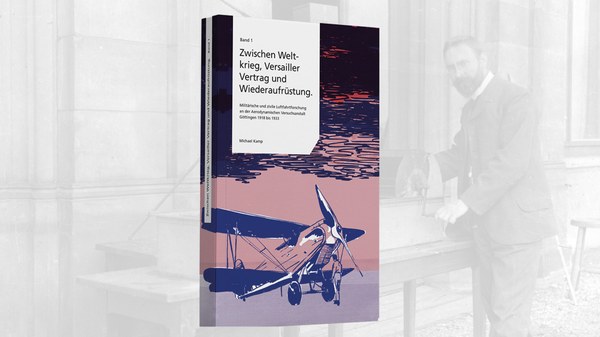
Alongside the academic monographs, the project is producing two illustrated books and an exhibition on the history of DLR's predecessor organisations. The first publications are now available (in German) from Cuvillier Verlag and will be accessible as open-access publications from January 2027. The complete examination of DLR's history up to 1945 will be concluded in early 2027.