Home
>
Research & Transfer>
Projects & Missions>
EIS2035+: Climate-compatible propulsion technologies for aviation
EIS2035+: Climate-compatible propulsion technologies for aviation
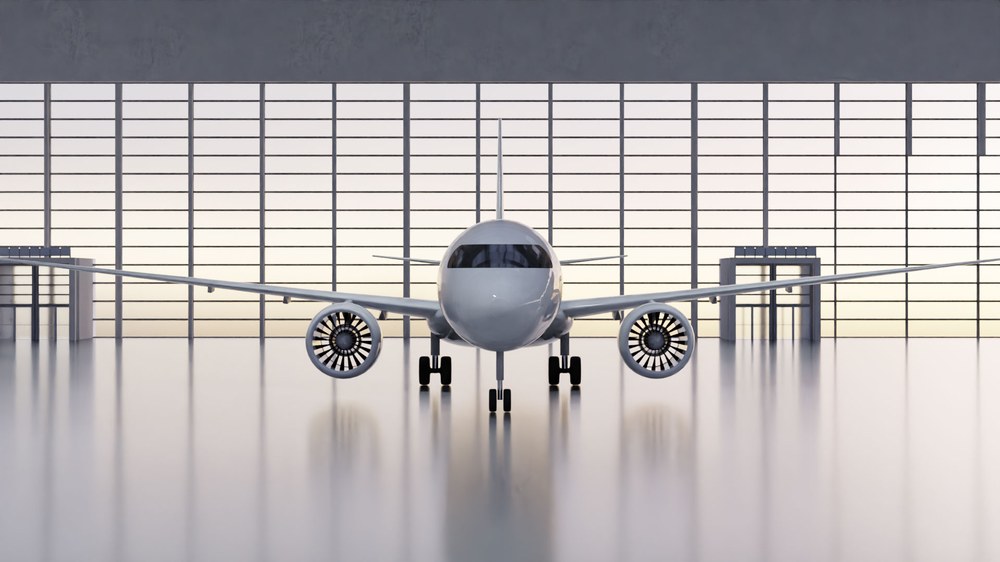

F25 digital short- and medium-haul aircraft from the Digital Hangar
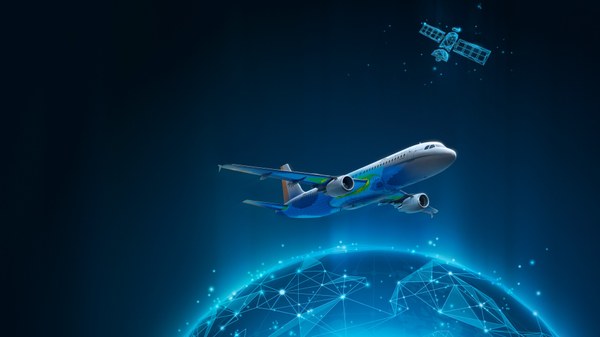
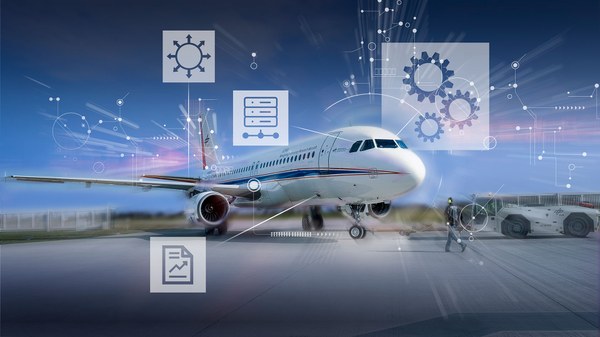
The F25 digital short- and medium-haul aircraft from the DLR Digital Hangar serves as a platform within the EIS2035+ project for integrating and assessing improved engine models.
How can future aircraft engines become more climate-compatible while also becoming more robust? The German Aerospace Center (Deutsches Zentrum für Luft- und Raumfahrt; DLR) is addressing this question in the EIS2035+ (Entry Into Service) research project. The aim is to develop new technologies for the next generation of engines and to systematically investigate their effects on emissions, efficiency and climate impact. In doing so, we focus not only on individual components, but on the entire aviation system – from the engine and the aircraft through to the global fleet.
A holistic view of climate impact and efficiency
In this project, we are developing innovative technologies for future aircraft engines while also improving simulation and development methods. The focus is on new approaches to reduce emissions, shorten development times and increase the efficiency and robustness of modern engines.
To this end, the GTlab software platform – developed by the DLR Institute of Propulsion Technology – will be used to create a sustainable development environment for propulsion systems. This flexible software platform integrates a wide variety of DLR software tools, enabling design, calculation, simulation and optimisation on a single platform. This allows future engine concepts to be developed more precisely and efficiently.
The project also investigates new engine designs and components. More compact compression systems could make future engines lighter and more efficient, reducing weight and improving fuel efficiency. At the same time, we are working on technologies that make engine components more durable and reliable. New material combinations based on titanium and fibre composites also enable lighter, heat-resistant compressor components, improving the efficiency of future aircraft engines.
Another area of research is the investigation of modern combustion processes for 'lean-burn' combustion chambers. Here, we analyse the behaviour of different fuels – both conventional kerosene and sustainable synthetic fuels (Sustainable Aviation Fuels; SAF). The aim is to further reduce emissions from future aircraft engines and improve their climate impact.
Contribution to climate protection
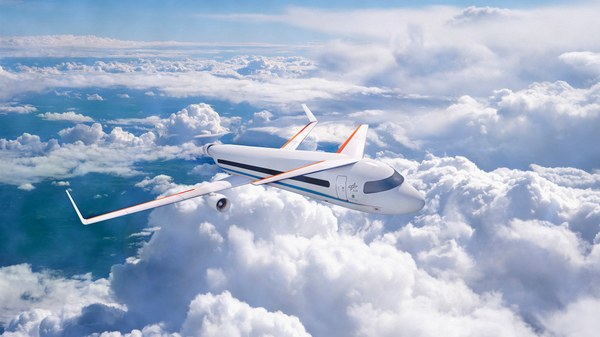
The technologies developed are ultimately integrated into a comprehensive system model and assessed using the digital DLR-F25 engine. The DLR-F25 is a concept for a conventional medium-haul aircraft that can operate on sustainable synthetic fuels, and it serves as a reference model at DLR for research into climate-compatible aviation. This allows us to analyse efficiency, emissions, weight and climate impact at various levels – from the individual engine through to the entire aircraft fleet. On this basis, technological relationships can be thoroughly assessed and development pathways for future propulsion systems derived. At the same time, we are establishing the scientific foundations needed to reliably assess the impact of new technologies on aviation's carbon footprint.
New and already developed technologies are being further refined in a targeted way and prepared for overall assessment. In doing so, we also incorporate results from other research projects.
EIS2035+ therefore makes a direct contribution to sustainable aviation. Through more efficient engines, lighter designs and the use of sustainable fuels, fuel consumption and emissions can be significantly reduced. The aim is to establish the technological foundations for climate-compatible aviation from 2035 onwards.
Benefits for industry and research
The project's results are particularly relevant for engines used in the 2035+ generation of short and medium-haul aircraft. In addition, the methods developed can be used in the design and simulation of turbomachinery.
The results are especially relevant for engine manufacturers as well as companies in the turbomachinery sector.
Some of the development and simulation tools used in the project are already among the standard tools used in the industrial design of turbomachinery today, and are used either through collaborations or under licence. The methods and technologies developed in the EIS2035+ project therefore hold significant commercial potential.
As this is an internal project, the rights to the methods developed belong to DLR. New design solutions and technologies may also be patented.
While industry is primarily focused on later commercialisation, we concentrate on developing the scientific foundations. In doing so, we contribute to technological sovereignty and strengthen expertise within the German and European research landscapes.
Follow-up projects and next steps
The technologies developed will be further validated in future projects. This includes, among other things, building prototypes and carrying out subsequent test campaigns. On this basis, further research and development projects may emerge, including collaborations with industrial companies.
EIS2035+ thus creates important foundations for the next generation of climate-compatible aircraft engines and for a sustainable future for aviation.
EIS2035+ (Entry Into Service) research project
- Duration: January 2026 to December 2028
- Leading Institute: DLR Institute of Propulsion Technology
- Project type: core funding
- Funding body: DLR Programme Dicectorate for Aviation