SOLIS100 – studying the effects of isolation on humans
100 days of isolation to prepare astronauts for long-duration missions
SOLIS100 – studying the effects of isolation on humans
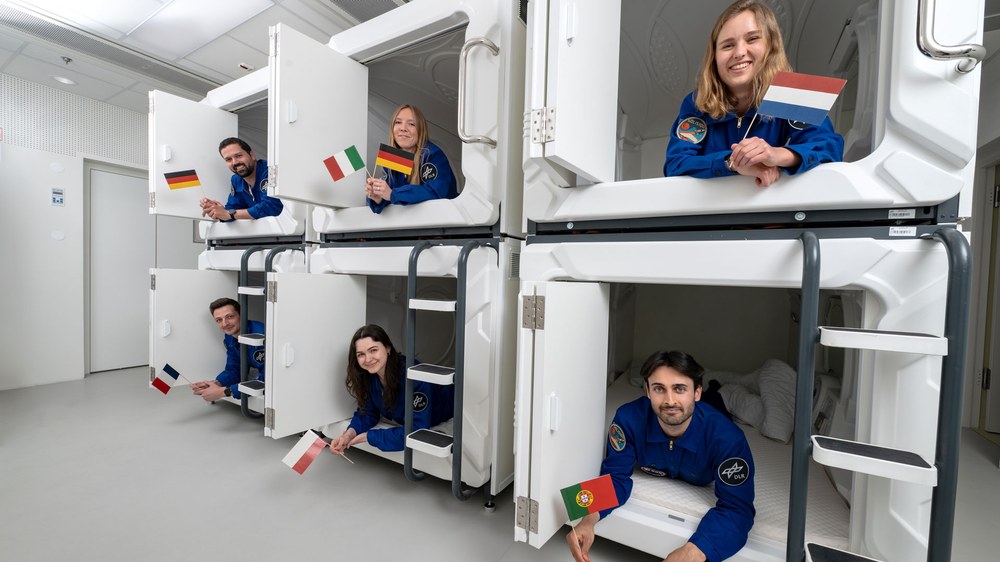
Participants in the SOLIS100 isolation study in their sleeping pods
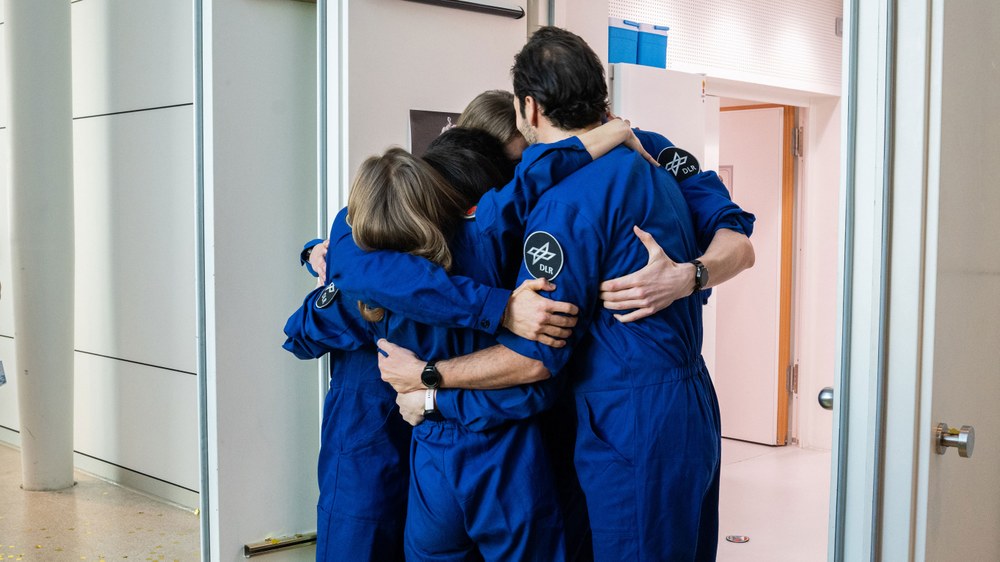
Six participants between 26 and 32 years old, from six different European countries, are living and working in isolation for 100 days. They follow a structured daily routine similar to that of a space mission. SOLIS100 is being conducted at DLR's :envihab facility in Cologne. Each participant has their own sleeping pod within the 'space station'.
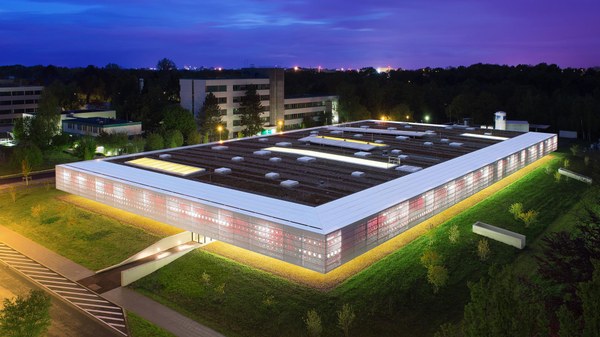
SOLIS100 (Study Of Long-term ISolation) is an isolation study led by the European Space Agency (ESA) and conducted by the German Aerospace Center (DLR) to investigate the effects of isolation. The study examines the impact of 100 days of isolation, confinement and limited resources on human health, performance and well-being. Held at :envihab – DLR's aerospace medicine research facility in Cologne – SOLIS100 is designed as a ground-based analogue for future long-duration missions to the Moon and Mars.
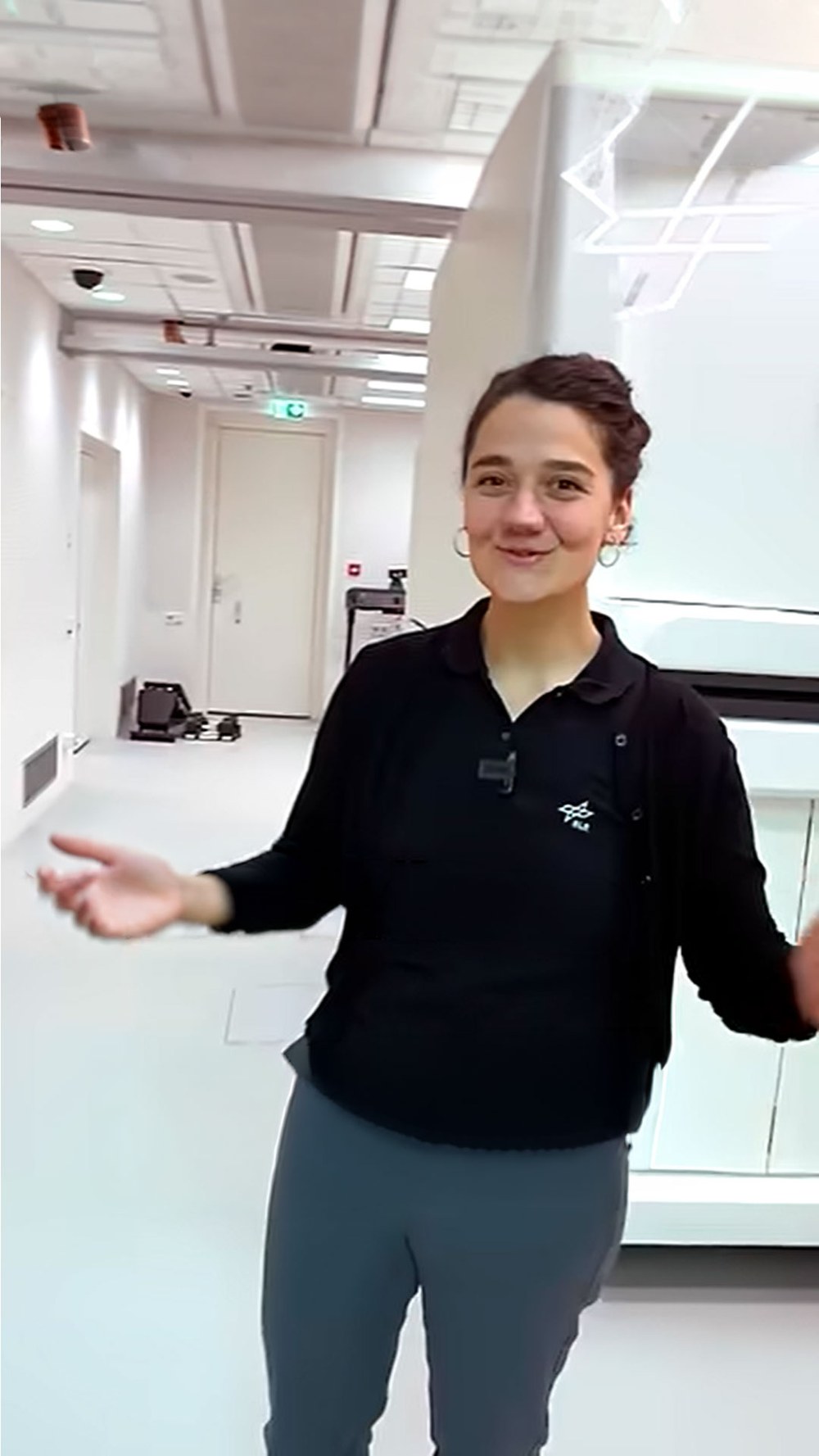
Tour of the SOLIS100 isolation study room at DLR's :envihab facility
Your consent to the storage of data ('cookies') is required for the playback of this video on Youtube.com. You can view and change your current data storage settings at any time under privacy.
Tour of the SOLIS100 isolation study room at DLR's :envihab facility
During the study, six carefully selected participants will live together for 100 days in a closed-off environment. Their daily routine will mirror everyday astronaut activities and involve teamwork, scientific tasks and operational challenges. The findings are expected to help better define the future medical, nutritional and psychological support needs of crew members on long-duration missions and improve preparations for crewed flights to deep space.
Future crewed missions aim to venture beyond low Earth orbit. There are plans for missions to the Moon and Mars, including the establishment of a permanent lunar base. These endeavours present fresh psychological and physical challenges, as they involve long travel times, extended mission durations and increased self-reliance for crew members in isolated, confined environments. Another aspect is that there are no immediate options for rescue in the event of an emergency.
Health impacts of confinement and limited resources
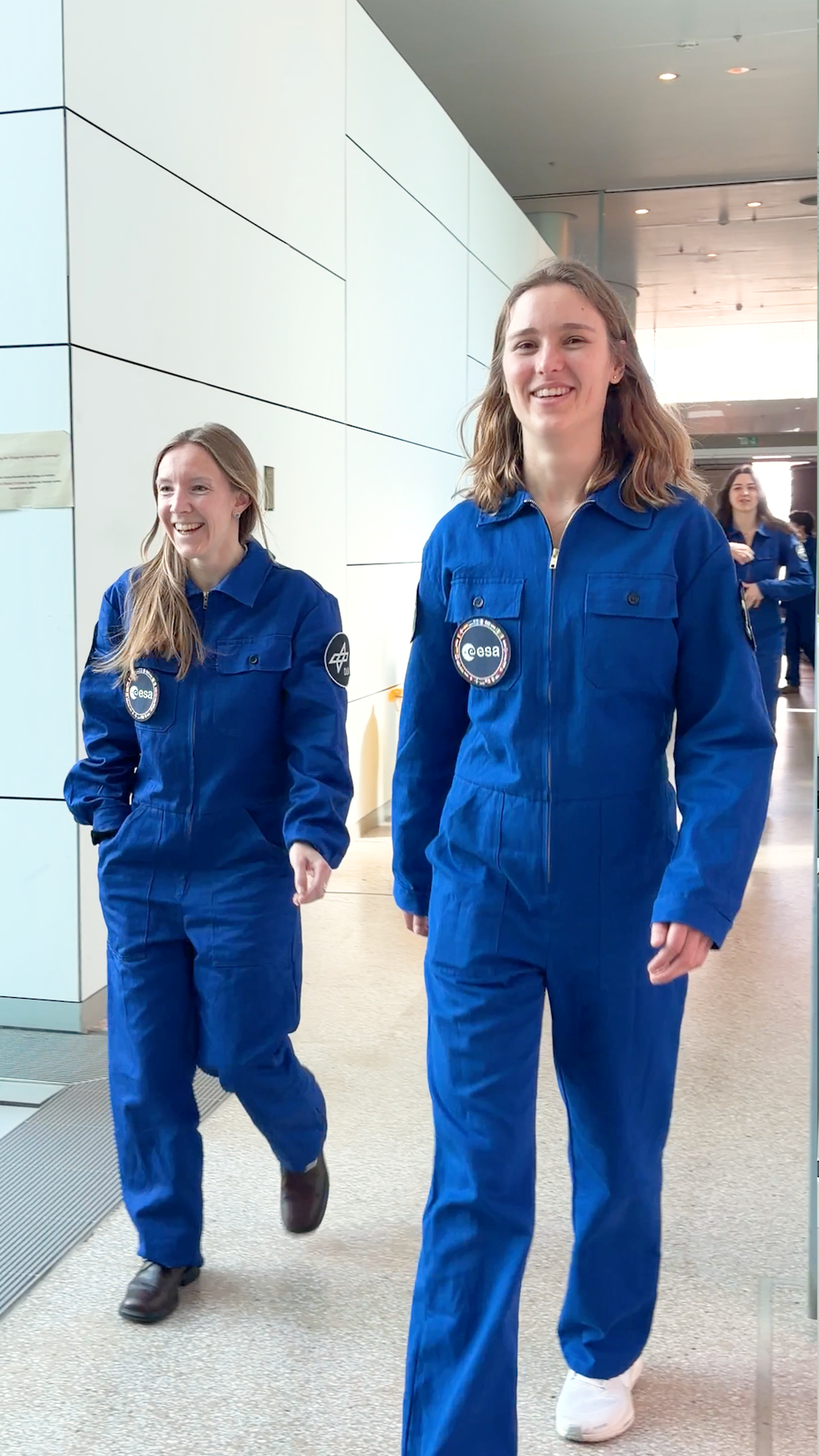
Six people. One living space.👥 👥 👥
#short #spaceflight
Video: 💯🔒 100 days in isolation
Your consent to the storage of data ('cookies') is required for the playback of this video on Youtube.com. You can view and change your current data storage settings at any time under privacy.
High-quality ground-based analogue studies are essential preparation for space explorers. During a mission, onboard resources are limited and there is little data available from real space flights. Isolation studies have therefore long been used as a form of analogue for space missions to investigate how isolation, confinement and resource limitations affect human health, behaviour and performance. However, current data remains limited, requiring additional research under controlled conditions to better understand the physical and psychological effects of these extreme conditions.
The objective of the SOLIS100 isolation study is to collect standardised data during a 100-day isolation phase so it can be compared with future campaigns at the same facility. In the 2025 SOLIS8 pilot study, which was also conducted in :envihab at the DLR Institute of Aerospace Medicine, researchers tested the facility and the planned structure of a longer isolation study.
The findings gained are now helping to better predict risks, optimise the selection and training of crew members, and devise strategies for maintaining their health and performance during long-duration missions.
News about the SOLIS isolation studies
Loading
Multimedia
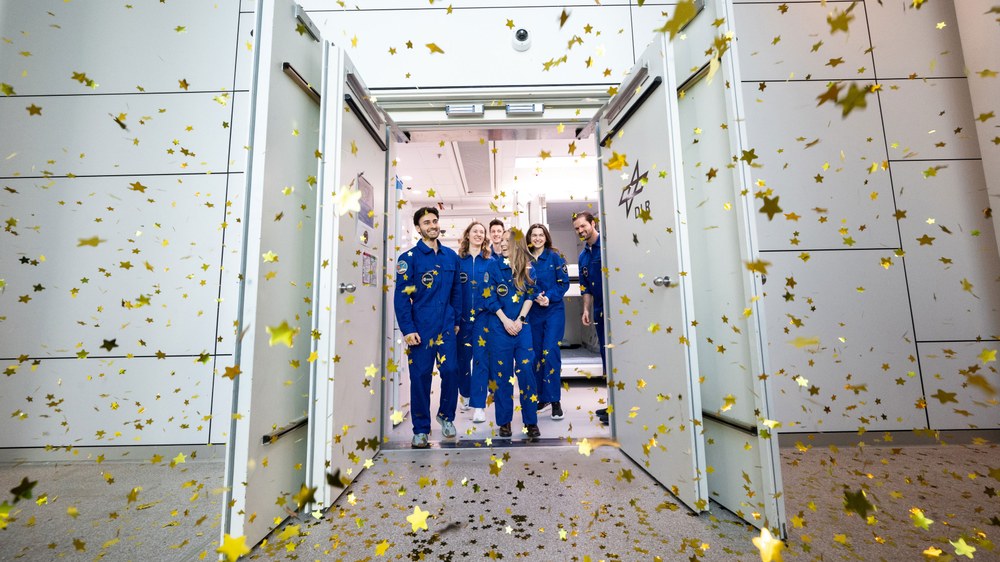
Opening the doors to the SOLIS100 'space station'
For 100 days, the heavy double doors of the SOLIS100 M5 module remained shut at :envihab, the high-tech research facility of the DLR Institute of Aerospace Medicine in Cologne. On 1 August 2026, they opened at 09:13 CEST to welcome 'home' the six-member international crew of terrestrial astronauts.
After more than three months cut off from the outside world, living under strict rules and with the limited resources of a space mission, the six participants of the SOLIS100 isolation study – conducted by DLR in Cologne on behalf of the European Space Agency (ESA) – were delighted.