
'Coach' or 'taxi' – how do small satellites get into space?

U-Space
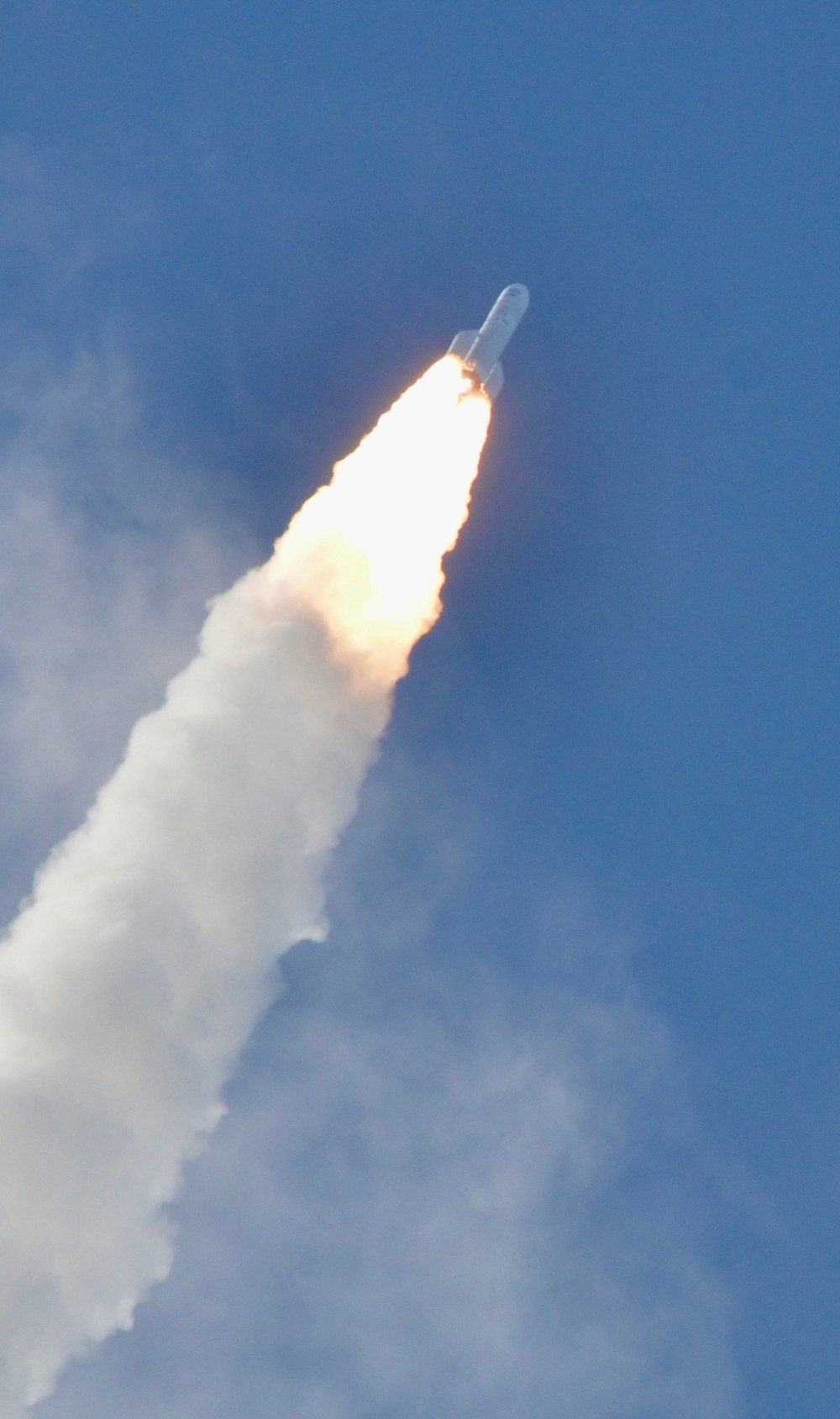

More than 9000 small satellites were launched into space between 2015 and 2024, and demand is growing. Larger networks or even mega-constellations of satellites are needed, especially for new space applications in the fields of Earth observation, agriculture, transport and security. But how exactly do these 'little ones' make their journey into space?
No matter how big or small an object you want to send into space, there is no way around transport by launch vehicle – and the associated costs. But it is precisely when it comes to launching into space that small satellites are at an advantage because of their low mass and compact design. On the one hand, the launch costs can be charged as a flat rate for the entire rocket if you want to use it exclusively. On the other hand, small satellites can make cost-effective use of remaining payload capacity via 'rideshare' alongside major missions. Alternatively, several small-satellite customers can share a flight.
Small satellite operators also have another option: booking a dedicated micro-launcher specifically for their mission. The choice is therefore, figuratively speaking, 'coach' or 'taxi'. And just as with the choice of transport on Earth, there are advantages and disadvantages to each option.
Into space on a Christmas tree
On missions with large satellites, these often do not fill all the available space in the rocket's payload module. If some payload capacity remains, it can be used by small satellites, which in effect get a cheap ride, 'piggybacking' on the larger mission. If a large launch vehicle such as Ariane 6 or Falcon 9 is loaded exclusively with small satellites, they are all connected to a central structure inside the rocket via ring adapters. "You can picture it like a Christmas tree with baubles hanging from it," explains Andres Bolte, responsible for small-satellite technology at the German Space Agency at DLR.
Up to 60 satellites can be accommodated in this way on one flight. Both rideshare options are significantly cheaper than a dedicated micro-launcher flight, which costs at least six times as much. The disadvantage of ridesharing is the reduced flexibility in terms of the launch date and, above all, the target orbit. If a small-satellite mission is not ready to launch in time to fly on a rideshare mission, it can often be rebooked onto a later flight. A Falcon 9 rocket, for example, offers launch opportunities two to four times a year. Small-satellite customers book via a launch service provider, which acts like a tour operator, ensuring that an individual customer's small satellite is smoothly integrated alongside many other small satellites onto the large rocket and prepared for launch.
However, there is little flexibility regarding the target orbit: in most cases, large rockets head for Sun-synchronous orbits over Earth's poles. So if a customer is committed to a specific date or requires a different orbit for their mission, a micro-launcher is the ideal option..
Micro-launchers – an emerging market
The market for microlaunchers is currently still very small. At present, the only provider of commercial flights is the US company Rocket Lab. Its Electron rockets launch approximately fifteen times a year from Launch Complex 1 on the Māhia Peninsula in New Zealand. European small rocket projects are still in development but are expected to enter this New Space market segment soon. Germany also has several promising candidates. "With the start-ups Isar Aerospace and Rocket Factory – both of which were pre-selected by ESA for the European Launcher Challenge in summer 2025 – we have two very hot contenders in the European landscape," says Holger Burkhardt, responsible for future launchers and technologies at the German Space Agency at DLR. Isar Aerospace performed a first test flight of its Spectrum rocket in March 2025, which was aborted after approximately 30 seconds. The flight still provided valuable data, which is now being incorporated into further development. Rocket Factory Augsburg is expected to conduct the next hot-fire test of the integrated first stage and the subsequent first demo mission in the coming months.
Many steps to launch
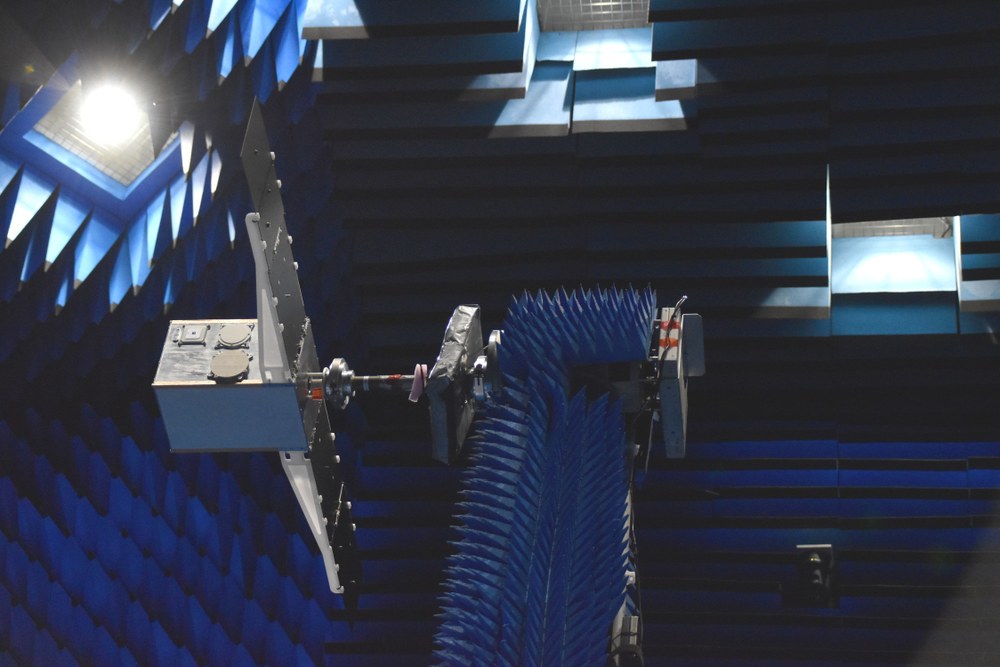
Before a small satellite can be launched into space with a carrier rocket, it must pass through many stages. To support the process, small satellite owners turn to a launch service provider who ensures that everything runs smoothly. Every journey into space begins with an analysis of which launch vehicle is suitable for the mission – whether the launch date, target orbit and launch costs meet the customer's requirements. In addition, every satellite – large or small – must undergo rocket launch qualification. This involves testing whether the technology can withstand the stresses of launch and the unique environmental conditions in space. The satellites undergo a variety of tests, including vacuum and vibration tests.
CubeSats – small satellites with an edge length of ten by ten by ten centimetres in the standard 1U format – offer an advantage here. They can be manufactured on an industrial scale and are identical in design, which offers major advantages for launch preparation. CubeSats can be loaded into a standardised container in a way reminiscent of a game of Tetris. Another step is joint campaign planning between the launch provider and customer, taking into account the specific requirements of the mission, such as refuelling the satellite's propulsion system. Finally, the satellite is transported to the launch site, where the final preparations are made and it is integrated into the rocket. A long journey – before the actual journey into space even begins.