HAP-alpha – the uncrewed high-altitude platform

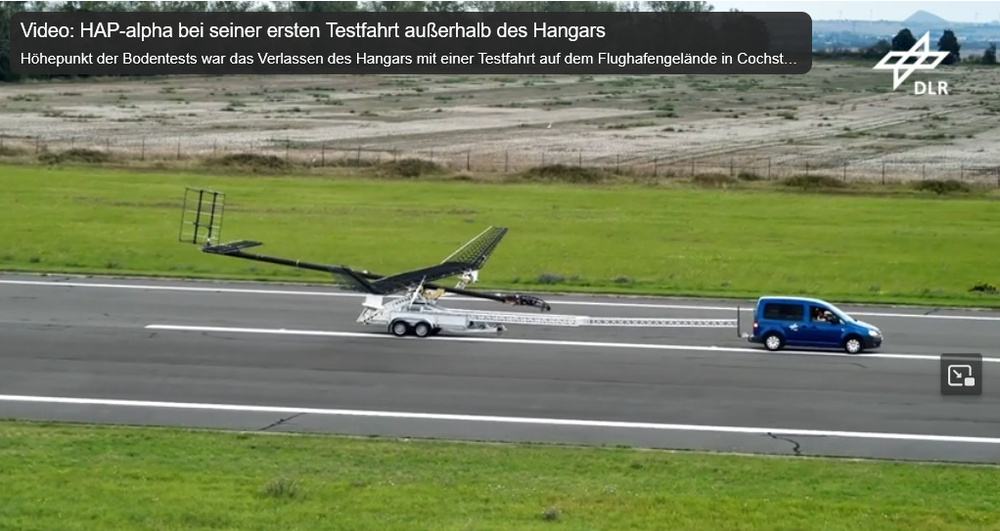
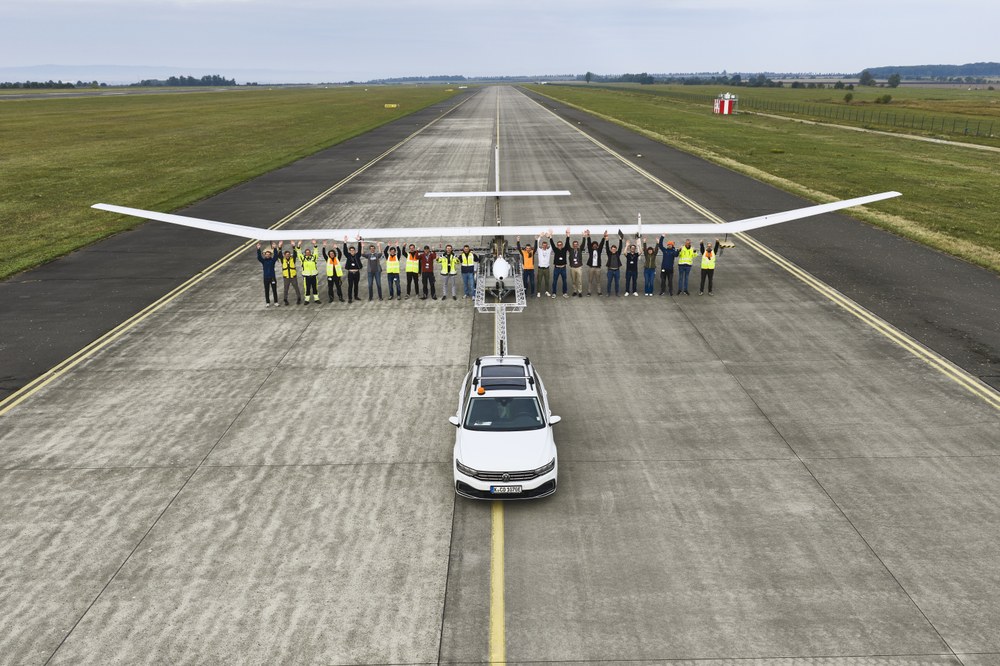
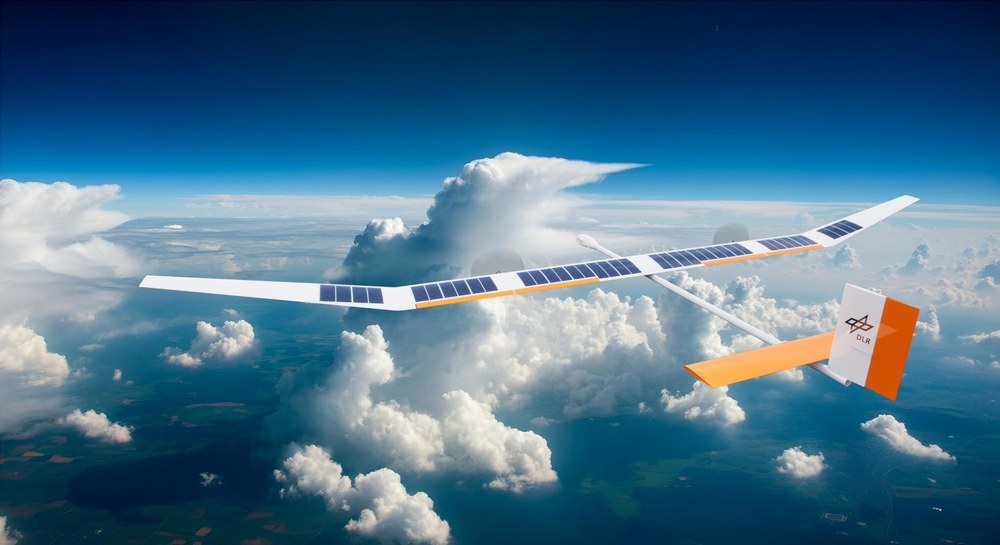
The uncrewed high-flying platform HAP (High Altitude Platform)-alpha is a solar-powered aircraft developed by the German Aerospace Center (Deutsches Zentrum für Luft- und Raumfahrt; DLR). It was built as a technology demonstrator in a joint project involving 16 DLR institutes and facilities, and completed its first flight test on 2 September 2026. During the inaugural flight, which lasted approximately 70 minutes, the uncrewed platform reached altitudes of up to 180 metres above ground. The aim is for HAP-alpha to ascend into the lower stratosphere, to an altitude of approximately 20 kilometres, serving as an alternative to satellites for Earth observation and communication.
What is HAP-alpha?
Stratospheric high-altitude aircraft – also known as high-altitude platforms (HAPs) – offer a sustainable alternative to satellites for remote sensing and communication tasks. Compared with satellites in Earth orbit, HAPs can be manufactured and launched more cost-effectively. They can also land, undergo maintenance and be reused for other missions.
High-altitude, uncrewed, solar-powered platforms are attracting increasing interest from research and industry due to their wide range of potential applications. Unlike orbiting satellites and crewed aircraft, HAPs can be stationed for extended periods over any given location. Like satellites, they operate autonomously. Their ability to take off and land enables them to be maintained and equipped with different payloads. In addition to conventional applications such as remote sensing or in-situ measurements for Earth observation, HAPs can also, for example, be deployed over crisis areas or serve as hubs for communication networks.
Aims of the HAP-alpha project
The aim of the interdisciplinary HAP-alpha project is to build up comprehensive system-level expertise in high-altitude aircraft at DLR. This expertise is intended to enable DLR to develop, build and operate a certifiable overall system for continuous operation, comprising the platform, payload, ground station and operational procedures.
Advanced lightweight design concepts, the miniaturisation of sensor and avionics systems and further developments in energy storage technologies are intended to make a wide range of applications possible.
Milestones – from ground tests to first flight
- HAP-alpha took off on its inaugural flight in September 2026.
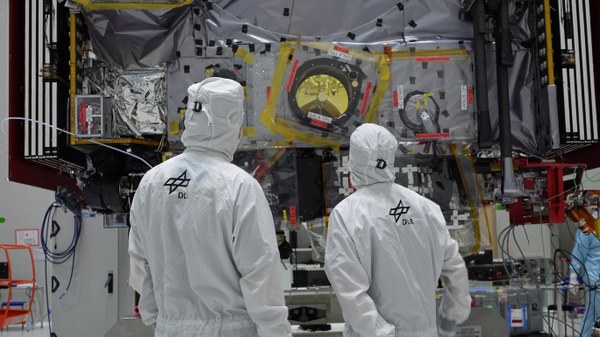
- The first flight was preceded in 2025 by important ground tests, during which DLR comprehensively tested the structure and systems of the uncrewed solar-powered aircraft and qualified them for flight operations.
- Following these ground tests, DLR conducted ground roll tests with HAP-alpha to test the aircraft's taxiing behaviour.
With the first flight completed, findings are now available from all phases of the project – from design and construction through to ground testing and flight operations. This experience will be incorporated into DLR's ongoing research into high-altitude platforms.
The aircraft in figures | |
|---|---|
Wingspan | 27 metres |
Mass | 138 kilograms |
Propulsion | Electric, solar-powered |
Target altitude | Approximately 20 kilometres |
Multimedia


Your consent to the storage of data ('cookies') is required for the playback of this video on Quickchannel.com. You can view and change your current data storage settings at any time under privacy.

News about HAP-alpha
HAP-alpha project – uncrewed high-altitude platform
- Duration: January 2018 to December 2025
- Lead institute: DLR Institute of Flight Systems
- Project type: Programme-oriented Funding of the Helmholtz Association (Helmholtz-Gemeinschaft Deutscher Forschungszentren; HGF)
- Funding body: DLR Programme Directorate for Aeronautics, Space and Security
Participating DLR institutes and facilities
Related links
DLR news – DLR's HAP-alpha high-altitude platform takes off for the first time
DLR news – DLR conducts ground roll tests with HAP-alpha – the uncrewed high-altitude solar aircraft
- DLR news – Uncrewed high-flying solar aircraft – HAP-alpha passes key ground tests
- Featured topic – Uncrewed Aircraft Systems
- National Experimental Test Center for Unmanned Aircraft Systems
- Joint Authorities for Rulemaking on Unmanned Systems (JARUS).