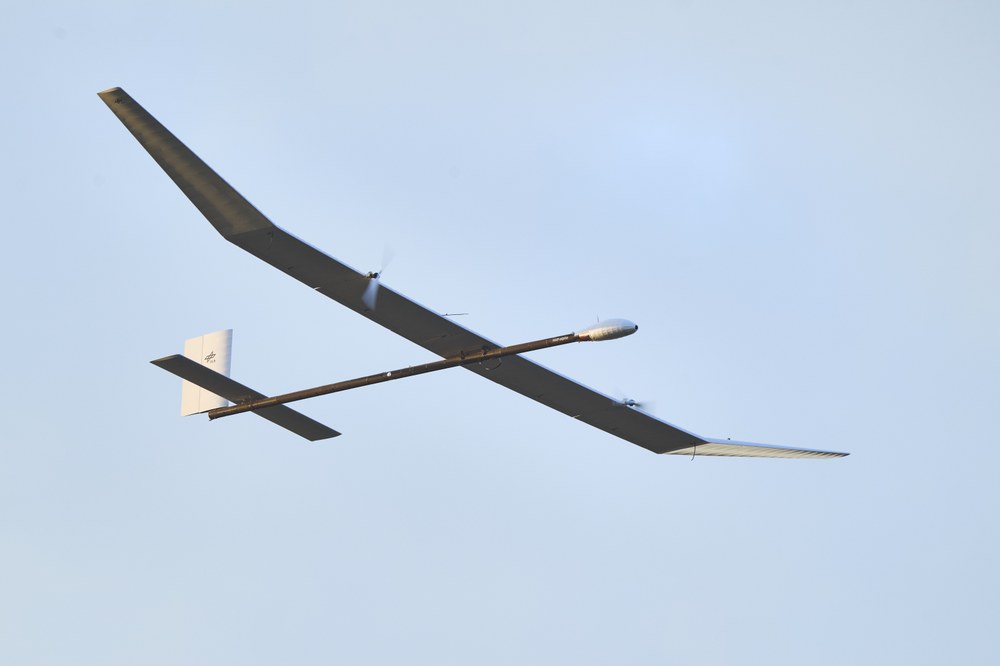
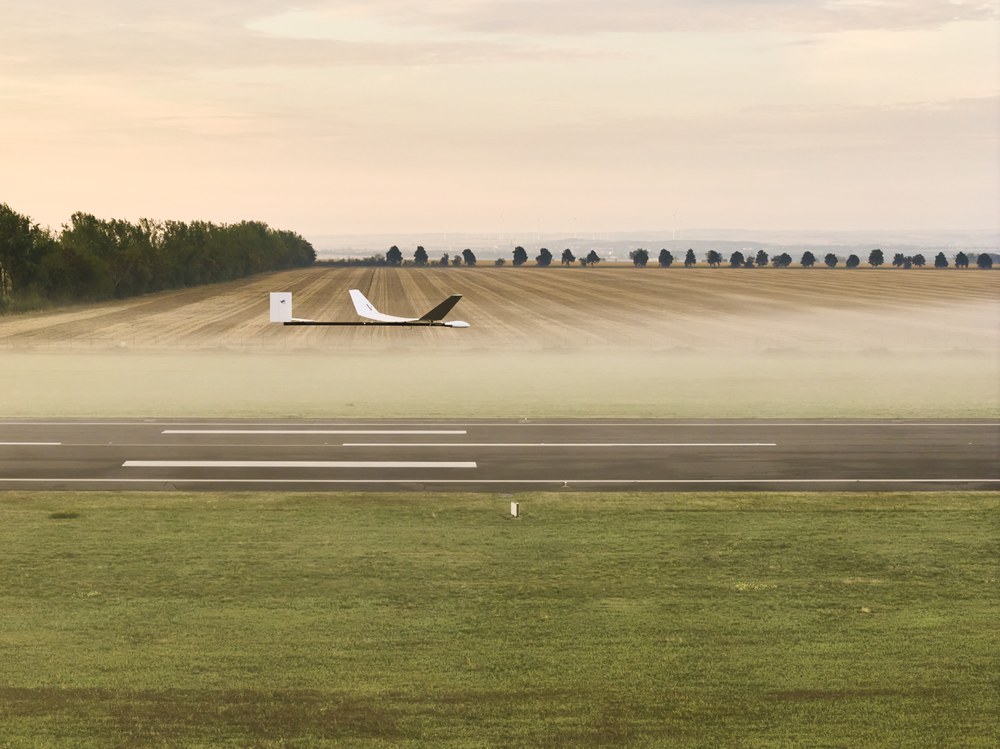
The uncrewed high-altitude platform HAP-alpha flies over Magdeburg/Cochstedt Airport
HAP-alpha flies at low altitude for the first time. The uncrewed high-altitude platform is designed to ascend into the lower stratosphere (around 20 kilometres in altitude).
On 2 September 2026, the uncrewed, high-flying platform HAP-alpha completed its first flight test.
The inaugural flight took place at low altitude at DLR's National Experimental Test Center for Unmanned Aircraft Systems in Cochstedt.
HAP-alpha is designed to serve as a flying test bed in the lower stratosphere, testing system technologies for Earth observation and communication under real operating conditions.
Focus: Aeronautics, flight systems technology
On 2 September 2026, the uncrewed high-flying aircraft HAP (High Altitude Platform)-alpha, developed by the German Aerospace Center (Deutsches Zentrum für Luft- und Raumfahrt; DLR), took off for the first time from DLR's National Experimental Test Center for Unmanned Aircraft Systems in Cochstedt. During the test flight, the team assessed the aircraft's airworthiness at low altitude. The aircraft completed a safe flight of approximately 70 minutes over the airfield, reaching heights of up to 180 metres above ground.
The crew monitored the flight and ensured compliance with all specified processes and procedures. In doing so, they were able to rely on procedures rehearsed in advance, as well as close communication between team members to handle any situations that arose. In addition, they assessed various manoeuvres to test the behaviour of this newly developed aircraft.
We at DLR are proud to have developed a flying platform from scratch and brought it into the air. This is an impressive achievement by our staff, demonstrating the expertise and interplay across all the necessary disciplines, as well as the extraordinary skills and dedication of everyone involved.
The tests also aimed to obtain initial validation data for flight dynamics models. On the basis of this data, the researchers can improve the underlying models and bring theory closer to practice. The results are now being evaluated to optimise the flight test programme ahead of the second low-altitude test flight and to further refine procedures. To collect the required data, predefined manoeuvres at various speeds and altitudes were flown over the test site.
Preparing for the challenge of the inaugural flight
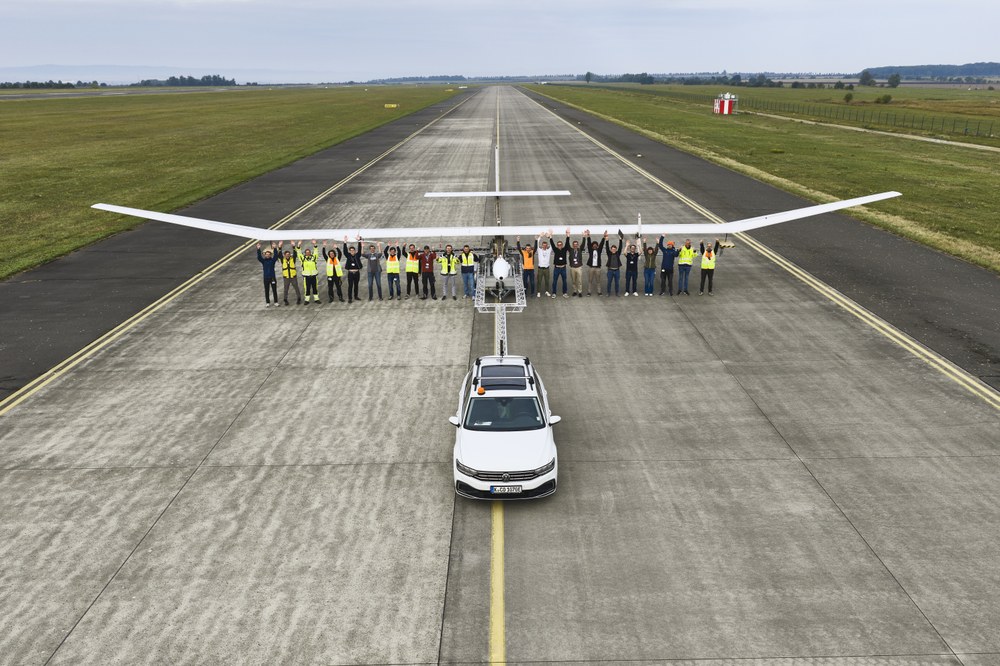
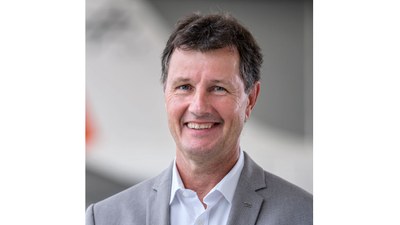
For weeks, the flight test team watched weather forecasts to identify the optimal time window for the first flight. Strict weather limits applied – particularly for wind speed, which could not exceed one metre per second. "The biggest challenge in the inaugural flight of a high-altitude aircraft like this lies in its sensitivity to even slight turbulence, owing to the extremely lightweight construction combined with an enormous wingspan and high aeroelastic deformation in the air," explains Andreas Bierig, acting head of the DLR Institute of Flight Systems. Despite its wingspan of 27 metres, the platform weighs just 138 kilograms.
It took a flight test team of 25 people to get HAP-alpha into the air for the first time. The interdisciplinary team was coordinated by the flight test director. Flight physicists and structural dynamicists monitored the aircraft's behaviour in the air. Particularly during take-off and landing, the wings must not oscillate excessively (flutter) or suffer structural failure. To later fly at high altitudes using available solar power, the aircraft has to fly extremely slowly. Its airspeed ranges from between 30 kilometres per hour near the ground to approximately 50 kilometres per hour at high altitudes. The entire flight was accompanied by a remote pilot, who sat several hundred metres from the runway in the mission control centre and controlled HAP-alpha using the UAV (Uncrewed Aerial Vehicle) pilot station. A safety pilot stood ready directly on the runway, able to take over flight control at any time in the event of unexpected occurrences.
Objective – testing at higher altitudes
Designed for flight altitudes of up to 20 kilometres, HAP-alpha is intended to serve in future as a flying test bed in the lower stratosphere, testing platform technologies and payload systems for Earth observation. These include both a high-resolution camera system (MACS-HAP) and a synthetic aperture radar (HAPSAR), both of which are already being co-developed within the project. With the high-altitude platform, DLR is also pursuing the goal of gaining comprehensive know-how for developing high-performance, high-altitude platforms that are purely solar powered.
Following the successful completion of the test campaign, initial flights at higher altitudes over unpopulated or extremely sparsely populated regions, such as over the sea, are planned. A total of 16 DLR institutes and facilities developed the high-altitude platform and its associated ground systems, with the entire team coordinated by the DLR Institute of Flight Systems. DLR is the only major research institution in Europe researching such a platform and seeking to operate it.
Overview – DLR institutes and facilities involved in HAP-alpha
The HAP-alpha project is being carried out under the leadership of the DLR Institute of Flight Systems, in close collaboration with a total of 16 DLR institutes and facilities: