ILA 2026 – DLR's vision for the future of aerospace
June 5, 2026 | International Aerospace Exhibition (ILA) in Berlin
ILA 2026 – DLR's vision for the future of aerospace
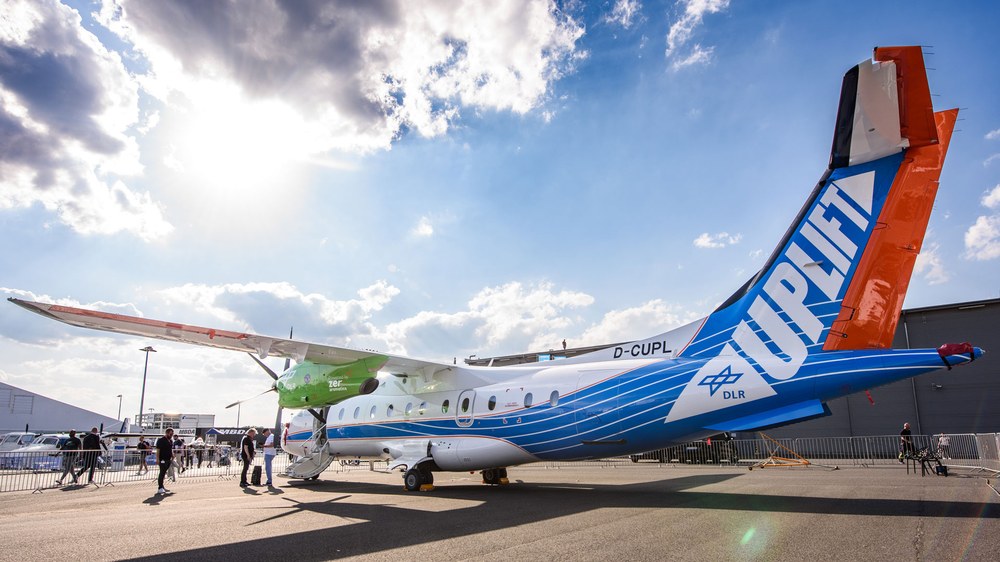
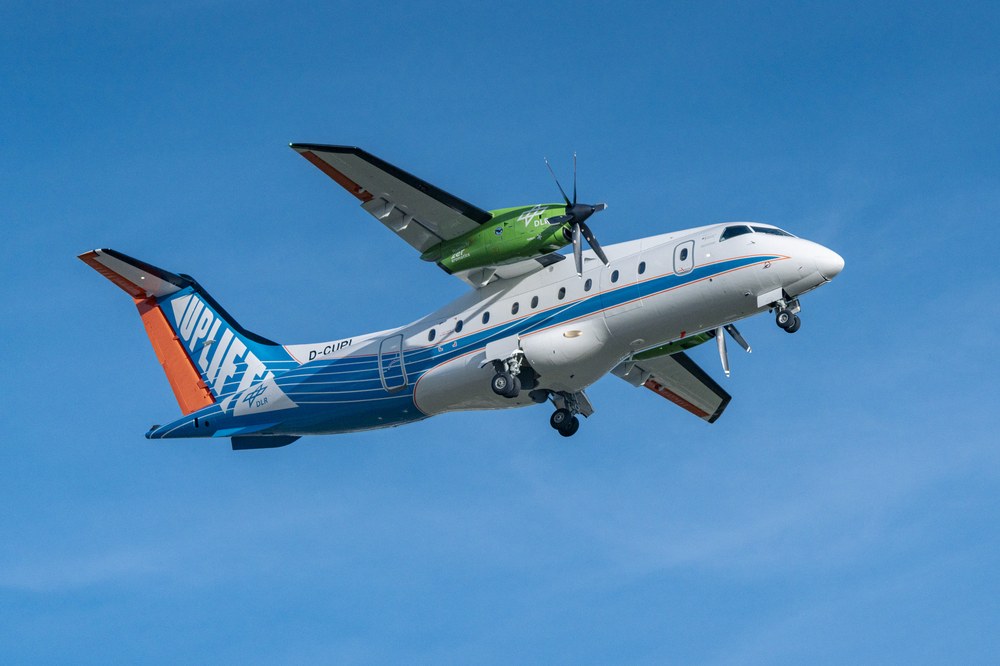
D328® UpLift, a flying testbed for climate-compatible aviation technologies
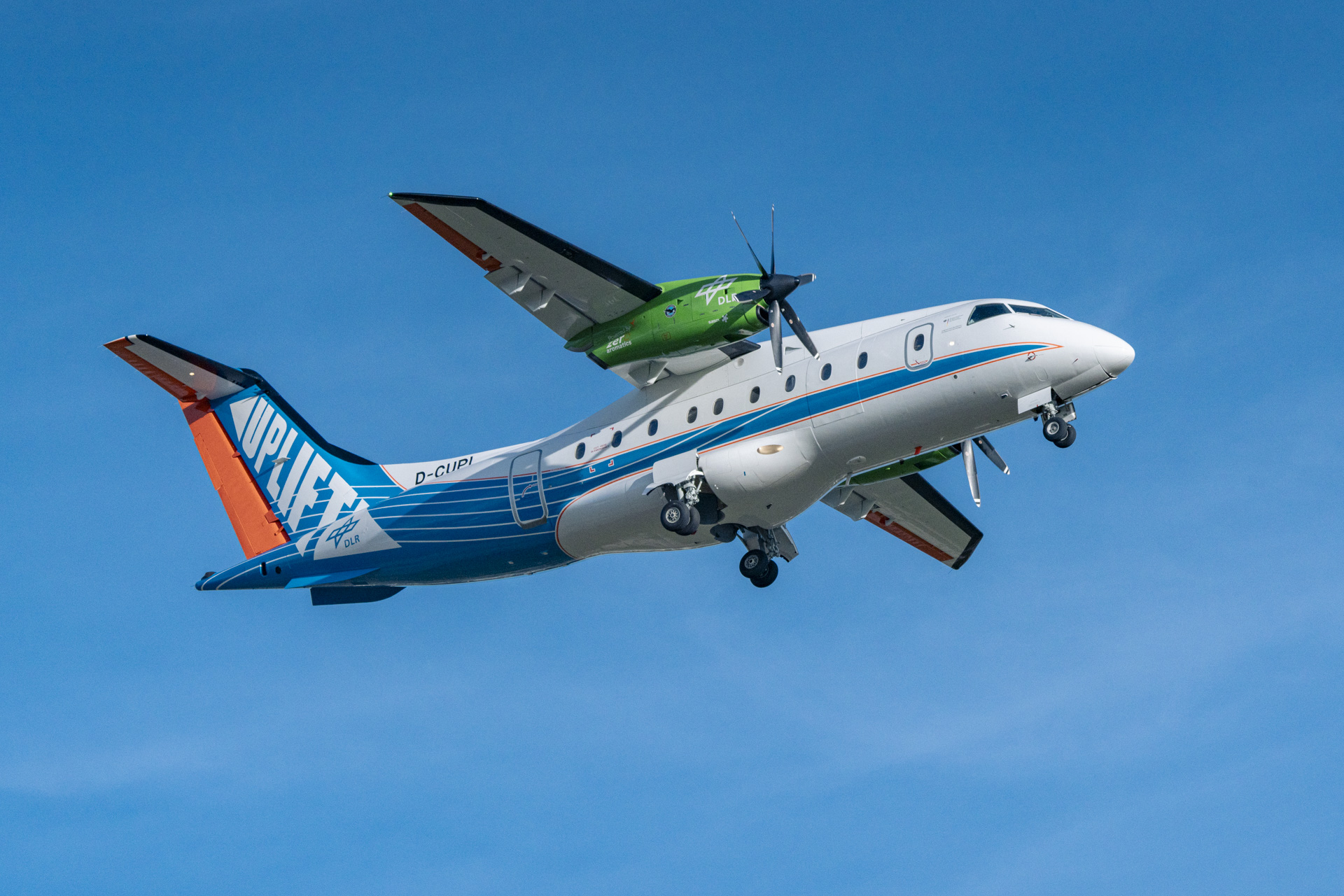
The converted Dornier 328-100 is used, for example, to test sustainable aviation fuels for the more environmentally friendly aviation of the future. DLR operates UpLift and conducts the flight experiments.
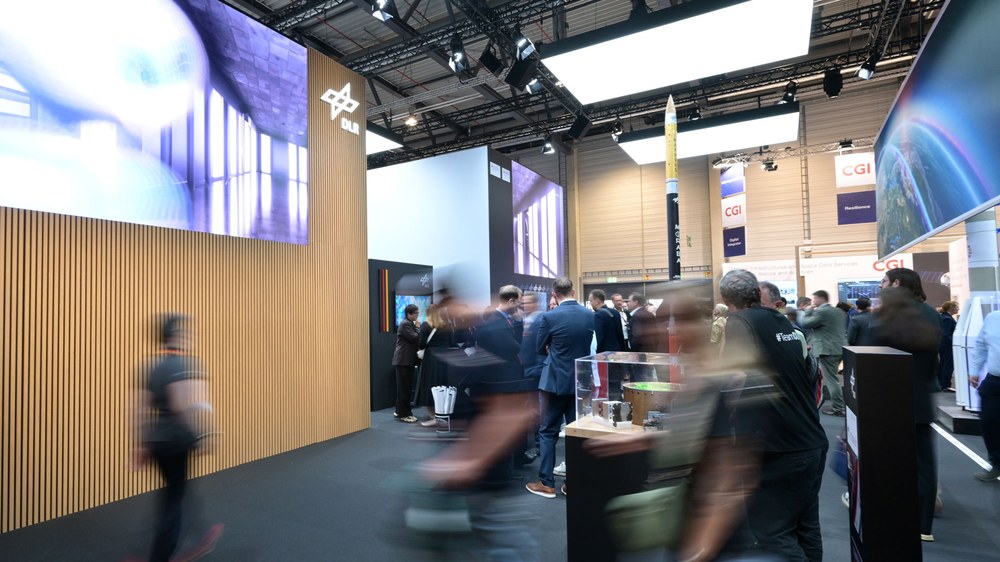
In 2026, DLR is once again one of the largest institutional exhibitors at ILA Berlin. In addition to Stand 300 in Hall B, it is also represented in the Space Pavilion and at the stand of the Federal Ministry of Research, Technology and Space (BMFTR, Stand 301), as well as in the outdoor area on the ILA Plaza and the Static Display.
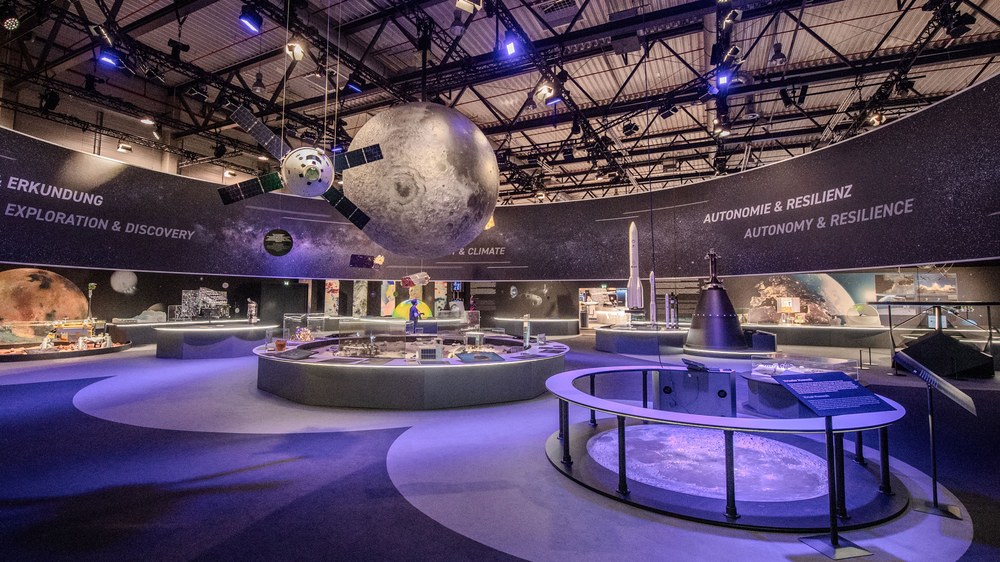
Space4Future – the Space Pavilion's slogan at the ILA 2026
The Space Pavilion – jointly operated by the German Space Agency at DLR, the German Aerospace Industries Association (Bundesverband der Deutschen Luft- und Raumfahrtindustrie; BDLI) and ESA – showcases the wide range of German and European space activities.
Once again, DLR is one of the largest institutional exhibitors at the International Aerospace Exhibition (ILA), which will take place in Berlin from 10 to 14 June 2026.
Aviation research: highlights include aircraft from the DLR research fleet ISTAR and UpLift, a cockpit simulator, sustainable aviation fuels, app-based support for cockpit crews, and technologies and algorithms for controlling drone and rover swarms.
Space research: the Martian moon rover Idefix, the Human Exploration Control Center (HECC), the MAPHEUS® sounding rocket programme, the Mobile Rocket Base (MORABA), radiation detectors tested on lunar missions and modern spacecraft propulsion systems.
In the Space Pavilion, the German Space Agency at DLR will showcase new projects from the national space programme under the new motto 'Space4Future', covering areas such as lunar research and Earth observation, as well as its involvement in ESA missions including Ariane 6, the European Launcher Challenge, Euclid, PLATO and many others.
Focus: Aviation, space, security, climate-compatible flight, sustainable fuels, uncrewed flight, human space exploration, research in microgravity, robotics, innovation and knowledge transfer to industry, young talent
YouTube trailer – DLR at ILA 2026
Your consent to the storage of data ('cookies') is required for the playback of this video on Youtube.com. You can view and change your current data storage settings at any time under privacy.
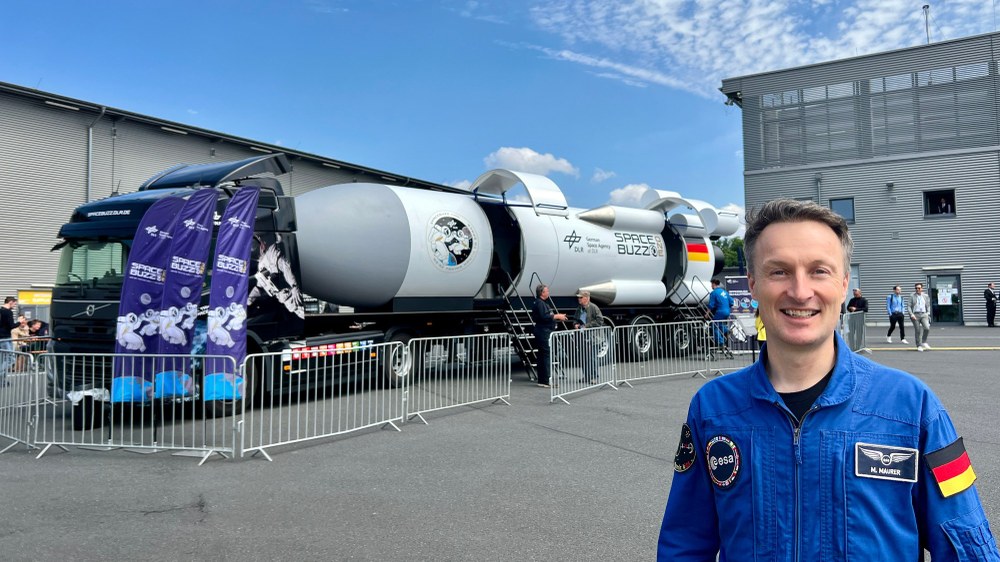
From 10 to 14 June 2026, the German Aerospace Center (Deutsches Zentrum für Luft- und Raumfahrt; DLR) will showcase how German research is delivering concrete solutions to important issues for the future, at the International Aerospace Exhibition (ILA) in Berlin. As one of the largest institutional exhibitors, DLR will be present indoors at Stand 300 in Hall B, in the Space Pavilion and at the stand of the Federal Ministry of Research, Technology and Space (BMFTR, Stand 301). Visitors from industry, academia, politics and the general public will have the opportunity to explore a wide range of exhibits and engage in discussions about current projects in aviation, space, security, defence, innovation and technology transfer. In the outdoor area on the ILA Plaza and the Static Display, the fascinating world of DLR will also be tangible on a grand scale. Among the aircraft on display are the ISTAR and D328® UpLift DLR research aircraft, as well as Novespace's Airbus A310 ZERO-G parabolic flight aircraft. And, following its 2024 debut, the German Space Agency at DLR's SPACEBUZZ ONE will be returning to Berlin this year – a walk-in, high-tech lorry shaped like a rocket, popular with visitors of all ages.
Under the motto 'Pioneering Aerospace', ILA brings together the international aerospace industry, policymakers, researchers and defence organisations. At this leading international trade fair, DLR is presenting a broad range of its projects and topics relating to the future of aerospace. A key focus for the climate-compatible aviation of tomorrow is sustainably produced aviation fuels. Competitiveness is always a factor, particularly in relation to the lifecycle and maintenance of aircraft. "For the first time, we are presenting both the reality and the simulation of the D328® UpLift project – the aircraft at the ILA Plaza and the true-to-life engineering simulator of a Dornier 328 cockpit at the DLR stand," explains Anke Kaysser-Pyzalla, Chair of the DLR Executive Board. "Visitors will experience the fascination of DLR's space research through insights into the newly emerging German HECC control centre for human space exploration, the high-altitude research rocket programme and the Mobile Rocket Base MORABA that supports it, as well as technologies for space surveillance. The focus of DLR's activities is not only on the individual technological components, but equally on the exchange of knowledge and transfer of technology, and thus our contribution to a high-performing innovation ecosystem for aerospace in Germany and Europe."
In the Space Pavilion – run jointly by the German Space Agency at DLR, the German Aerospace Industries Association (Bundesverband der Deutschen Luft- und Raumfahrtindustrie; BDLI) and the European Space Agency (ESA) – visitors can experience the full breadth of German and European space activities.
"ILA makes it abundantly clear: space is now an indispensable part of our lives – today and even more so in the future. The space hall at ILA – the ‘Space Pavilion’ – rightly bears the new slogan 'Space4Future'. Here, Germany and Europe are showing what we are capable of achieving in space," adds Walther Pelzer, DLR Executive Board Member and Director General of the German Space Agency at DLR. "Together with our partners, we are setting our sights on the Moon as well as distant worlds, while at the same time strengthening our security and quality of life here on Earth. All of this is what we achieve in space – and we are showcasing it in Berlin at ILA 2026."
New this year is the Space Innovation Hub at the joint stand of the Federal Ministry of Research, Technology and Space (BMFTR). The Hub serves as the central platform for exchange, collaboration and communication between the German space sector and the public sector interested in space technologies and services.
Highlights of DLR's extensive exhibition programme
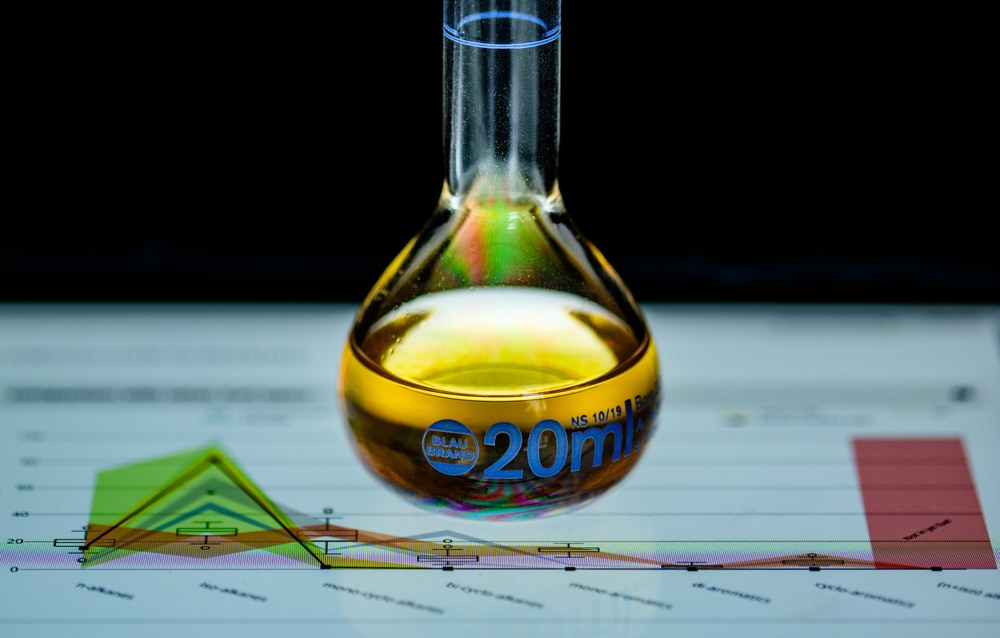
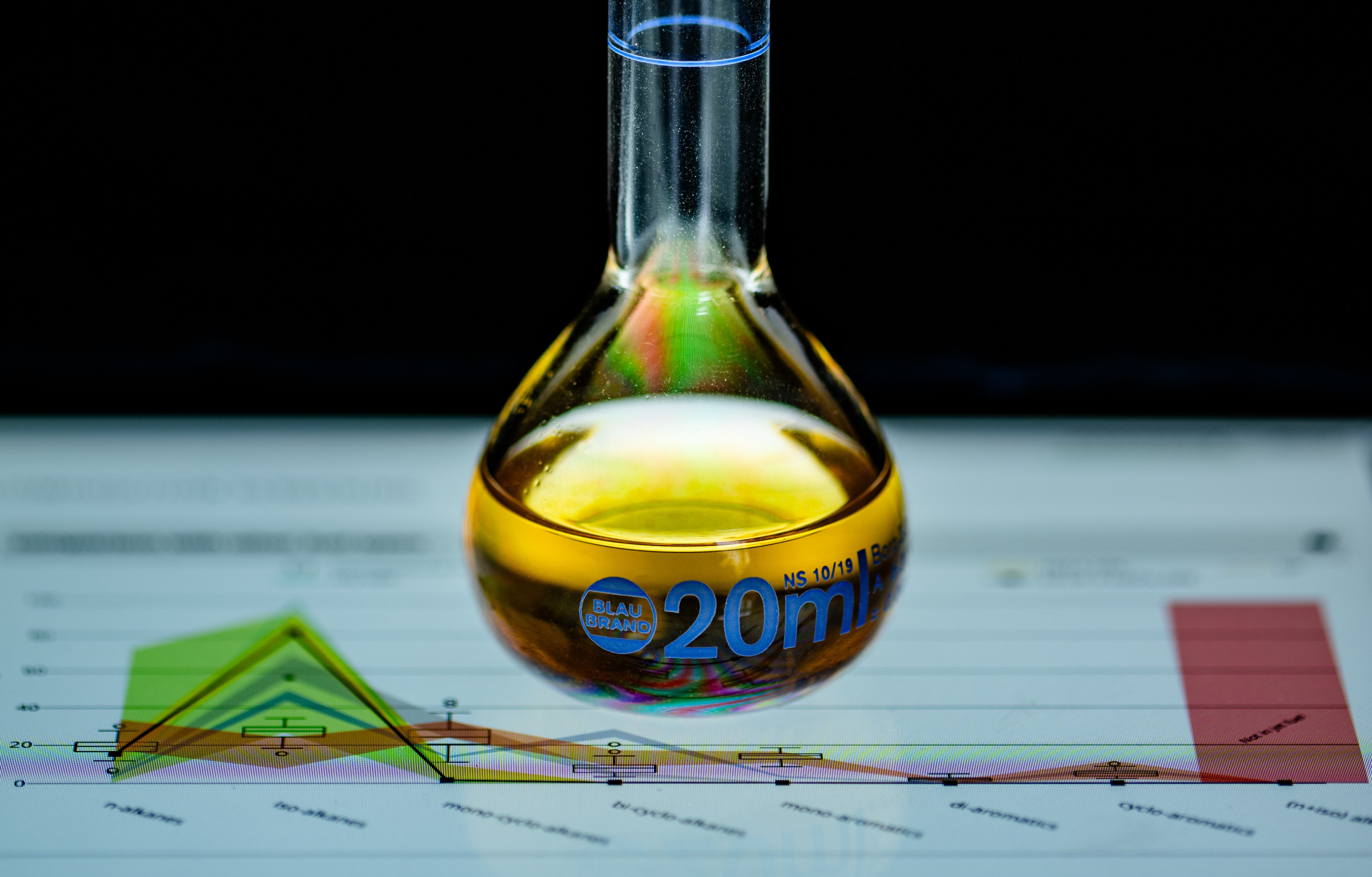
Sustainable aviation fuels are derived from a highly diverse range of feedstocks[RJ1.1]. The DLR Institute of Combustion Technology in Stuttgart has developed a testing procedure for novel fuels known as ‘pre-screening’. Thanks to modern chemical analysis methods, less than one millilitre of fuel is sufficient for characterisation.
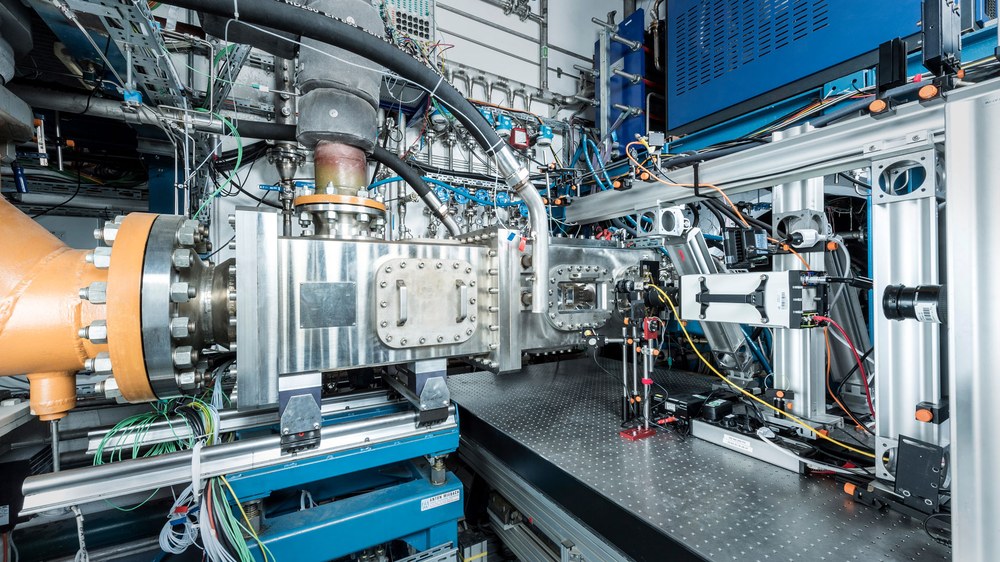
Sustainable aviation fuels on the DLR high-pressure combustion chamber test rig 1 (HBK1)
Under real cruise flight conditions in a combustion chamber at the HBK1 test rig of the DLR Institute of Propulsion Technology in Cologne, researchers are investigating the soot emissions in the exhaust gases of various SAF blends.
If technical problems suddenly arise on board, weather conditions deteriorate unexpectedly or a medical emergency occurs, the cockpit crew must decide very quickly which alternate airport they can divert to. The DLR-developed assistance system can support them in making smart, data-driven decisions.
How can the path towards more climate-compatible aviation be paved? A key focus is on 'sustainable aviation fuels' (SAF), which can be tailored to specific applications. But it is not just the fuels themselves that need to be produced – the aircraft hardware must also be prepared for them. Lightweight structures must be particularly robust to enable the safe storage of hydrogen on board future aircraft. At the DLR stand, a liquid hydrogen tank concept based on carbon fibre-reinforced polymer (CFRP) end caps will be on display, as an example.
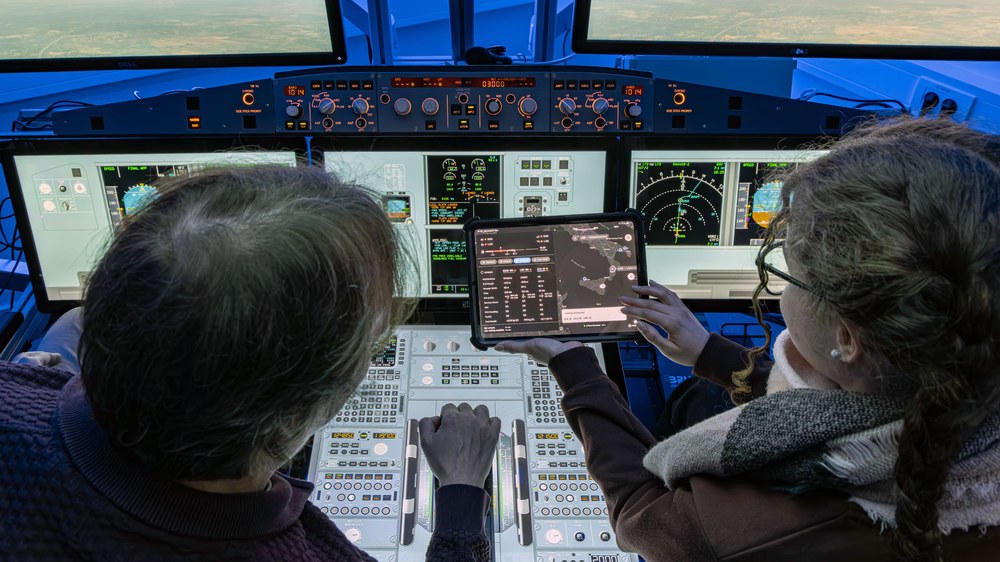
The D328 engineering simulator ESIM2 demonstrates how new technologies can be introduced into the cockpit and flight operations more quickly. It replicates the systems and behaviour of a Dornier 328, supporting research into new displays, assistance systems, flight procedures and climate-compatible operational concepts. As part of the research environment surrounding the D328® UpLift, the simulator enables innovations to be tested more efficiently and with reduced risk.
DLR is also exploring ways to significantly increase the speed of medium-weight transport helicopters with the High-Speed Rotorcraft (HSR) helicopter design. As a 'compound rotorcraft', the design supplements the main rotor with wings, propellers and control surfaces. This makes it possible to achieve higher flight speeds at comparable payload and range – an approach that is of interest for both civil and security-related applications.
Uncrewed Aircraft Systems (UAS) are another focus of DLR's exhibition at ILA this year. The Swarming project is researching how multiple uncrewed ground and aerial vehicles can be jointly controlled from a single command centre. Applications range from disaster response and rescue operations to reaching difficult-to-access or hazardous areas. A concrete hardware example is the combination of the Scout rover and the DLR superARTIS helicopter drone, which can rapidly transport the rover to an operational area and deploy it.
With CoSAA, the Cockpit Spoofing Alert App, DLR is addressing a growing threat to civil aviation: manipulated signals from satellite navigation systems. The app runs on a tablet PC in the cockpit and analyses navigation signals in real time. The aim is to warn pilots at an early stage, before spoofed position data leads to safety-critical situations.
Hawkeye is a further app for the cockpit crew. When sudden technical problems, adverse weather conditions or medical emergencies on board require a rapid decision about which alternate airport to divert to, the DLR-developed assistance system supports smart, data-driven decision-making.
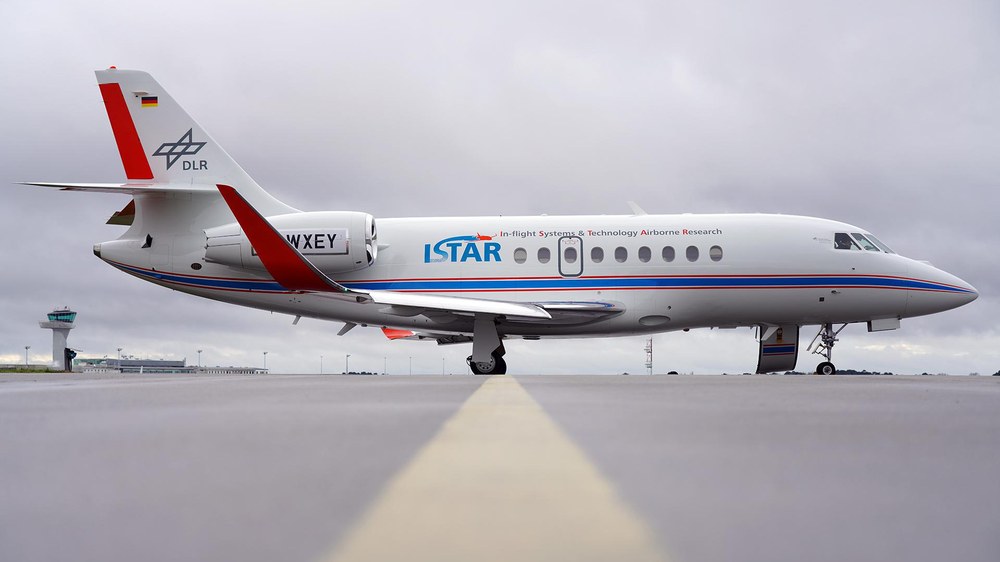
ISTAR Dassault Falcon 2000LX (D-BDLR)
Alongside its first flight campaigns, the DLR ISTAR research aircraft is being gradually expanded to achieve its full capability as a flying simulator. ISTAR's key research areas include pilot assistance systems, autonomous flight, improvements to flight safety, and in-flight simulation of the flight characteristics and performance of new aircraft configurations. Full digitalisation of the research aircraft is also planned, from aerodynamic modelling to new virtual certification methods.
D328® UpLift serves as a flying test laboratory for new fuels and innovative aviation technologies of the future, such as synthetic fuels and hydrogen. Initial measurement flights using fully synthetic fuel have already been completed successfully. In the future, UpLift will be made available to industry, small and medium-sized enterprises, start-ups and research institutions to test new, climate-compatible system, fuel and propulsion technologies under real flight conditions.
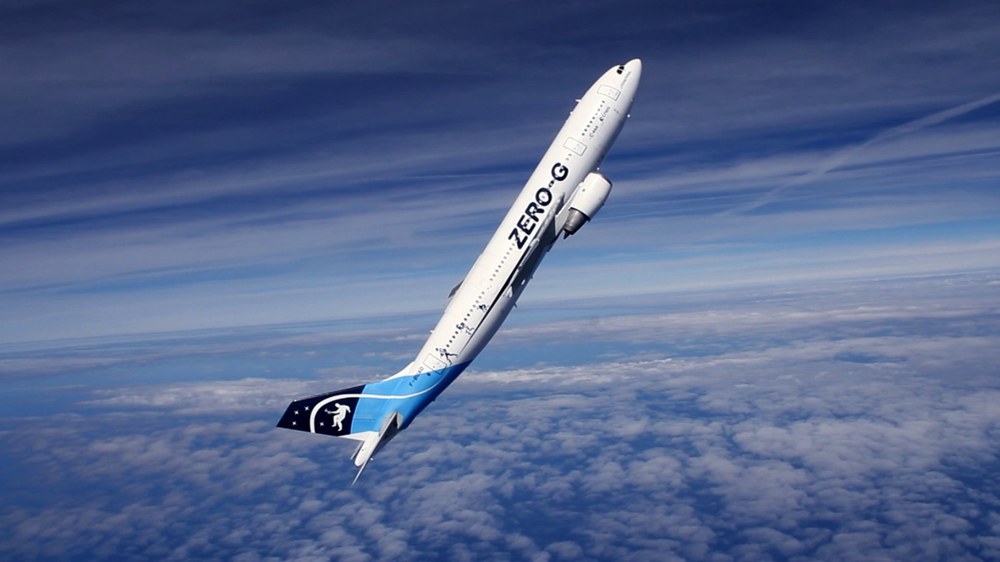
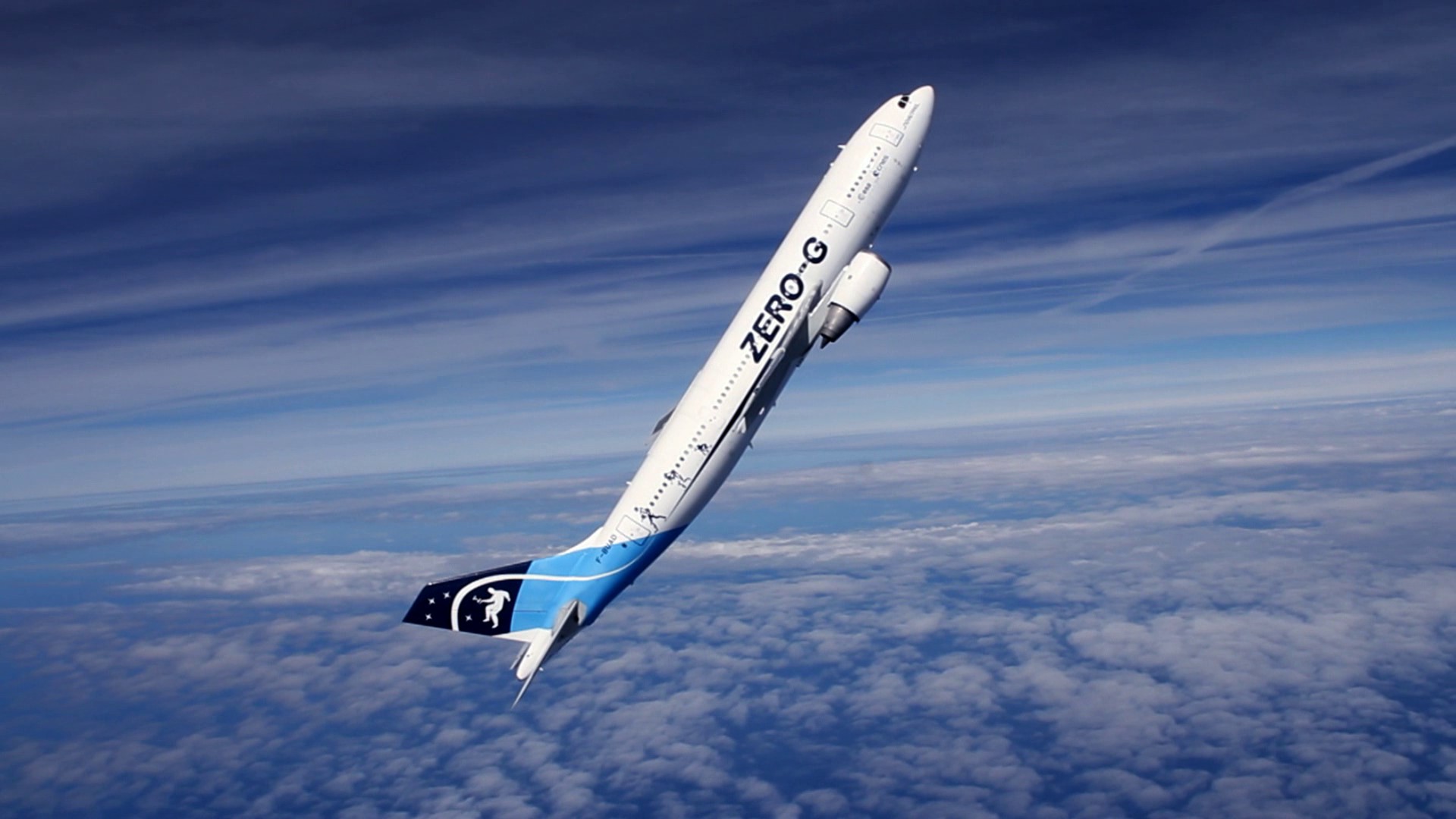
A specially equipped aircraft is used for the German Space Agency at DLR's parabolic flight campaigns: the Airbus A310 Zero-G from the French company Novespace. It flies parabolas, during which it 'falls' towards the ground in a dive, creating near-weightlessness on board for approximately 22 seconds. Researchers use this valuable time to conduct experiments across a wide range of scientific disciplines. On a typical flight day, Zero-G flies 31 parabolas in succession.
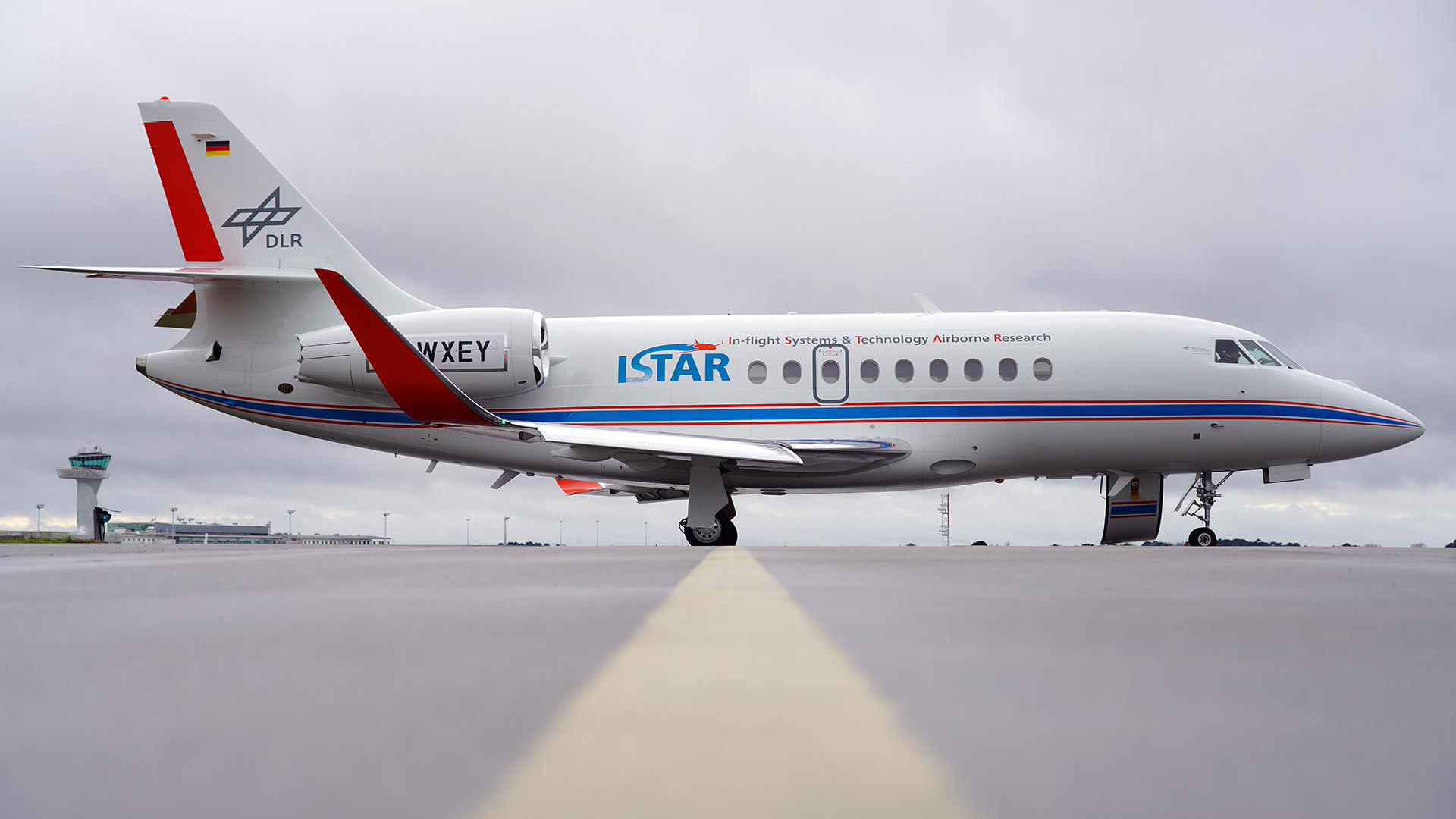
DLR will once again be present in the ILA outdoor areas in 2026. Part of the DLR research fleet will be on display at the ILA Plaza and the Static Display. Among the aircraft featured is the ISTAR research aircraft, a Dassault Falcon 2000LX. ISTAR (In-flight Systems & Technology Airborne Research) serves as a flying research platform for investigating new flight procedures, assistance systems and digital aviation. It also enables the in-flight simulation of the flight characteristics of new aircraft configurations.
D328® UpLift is a Dornier 328-100 converted into a flying testbed for climate-compatible aviation technologies. It is used, for example, to test sustainable aviation fuels for the more environmentally compatible aviation of the future. DLR operates UpLift and conducts the flight experiments. The aircraft offers research institutions, the aviation industry and the air transport sector – specifically small and medium-sized enterprises and start-ups – the opportunity to test innovative systems, propulsion technologies and concepts in real flight trials.
Since 1999, the German Space Agency at DLR has been organising parabolic flight campaigns for a wide range of natural scientific research. Biological, medical, physical, technological and materials science experiments can be carried out during the 31 parabolas of a campaign day, each providing approximately 22 seconds of near-weightlessness. This is made possible by the Airbus A310 ZERO-G from the French company Novespace – a popular classic on the Static Display at ILA Berlin.
MAPHEUS® – materials physics experiments in microgravity
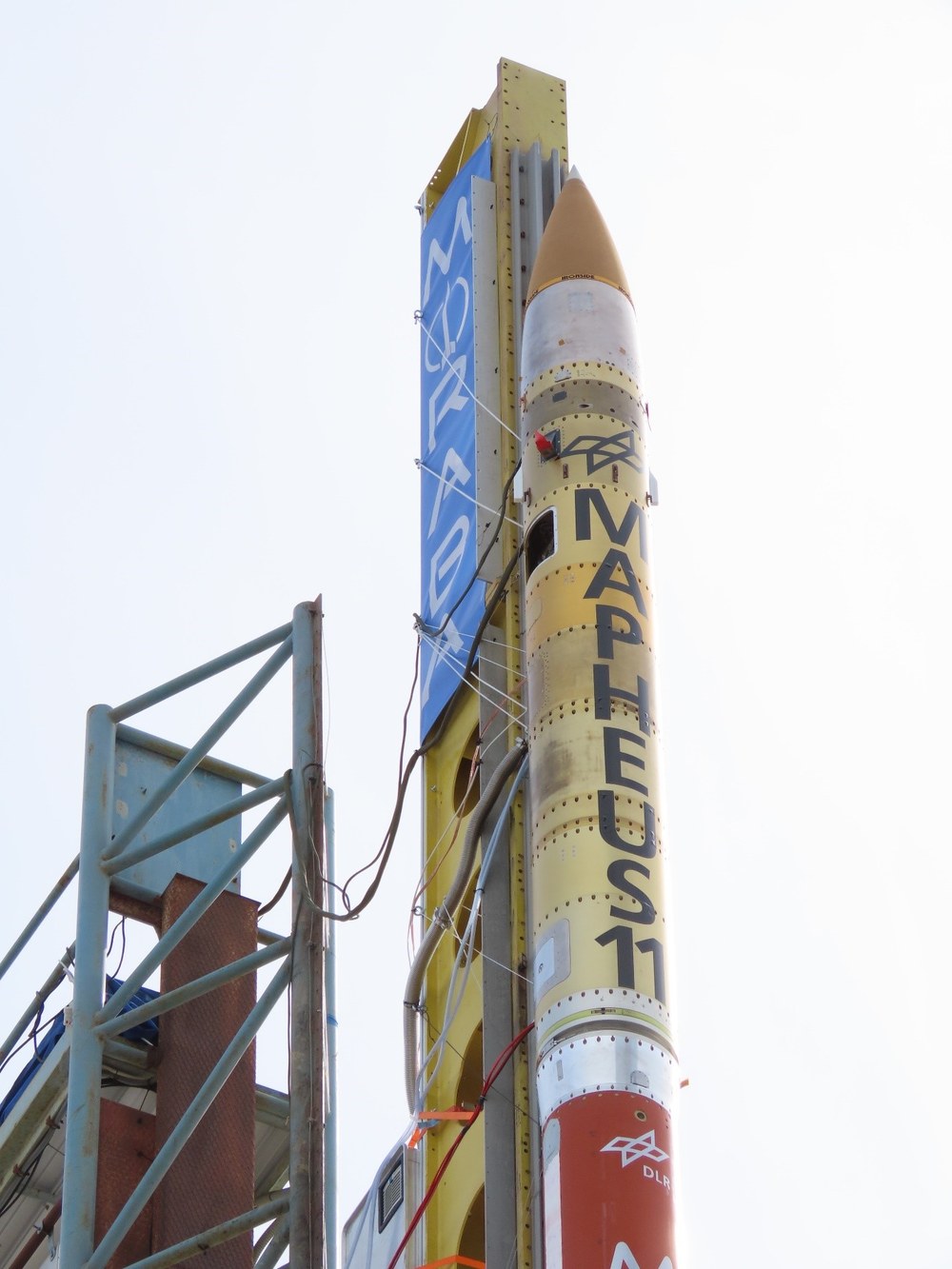
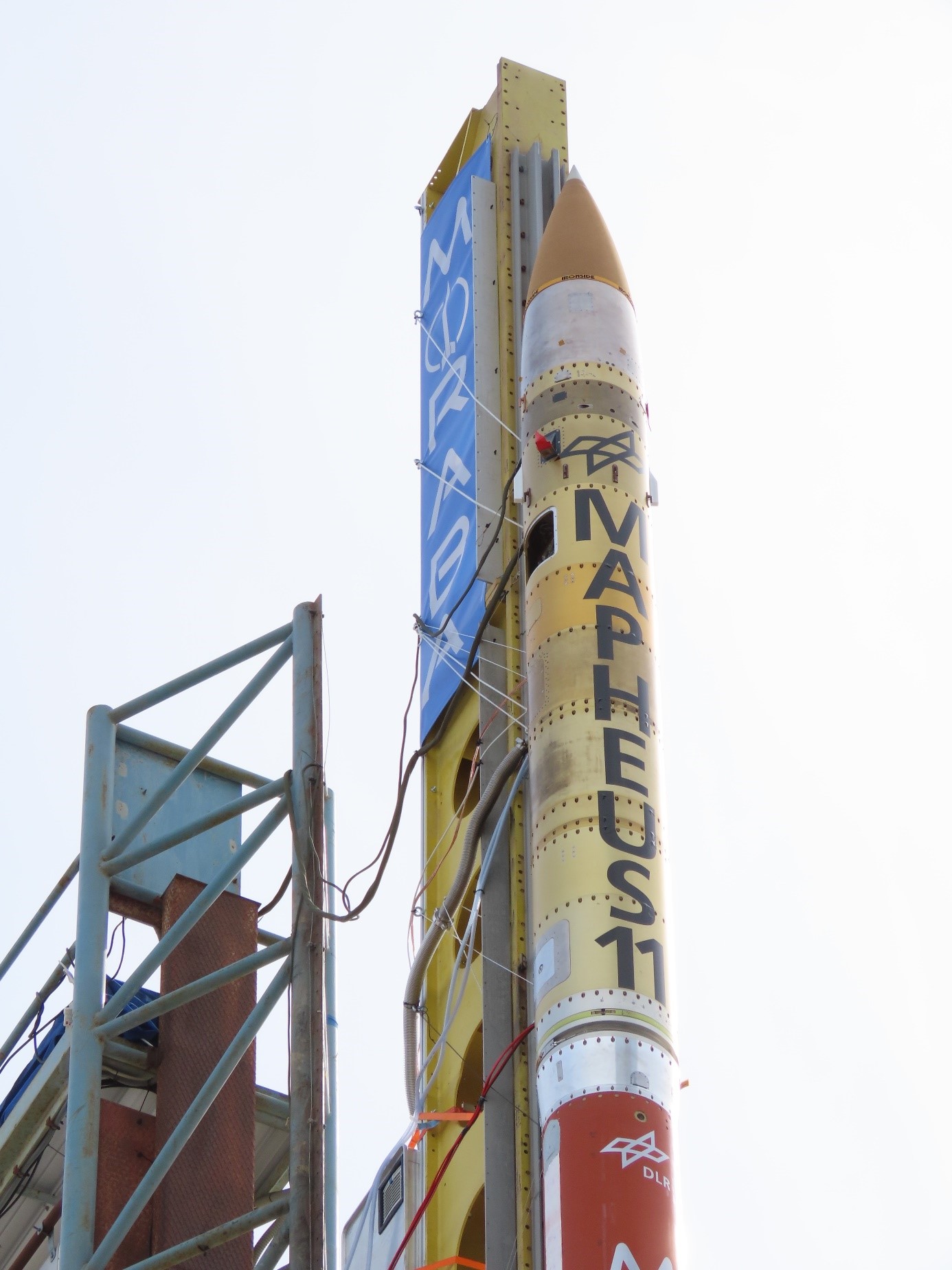
MAPHEUS® is one of the unique selling points of DLR's space research. The DLR sounding rocket programme is a central platform for experiments in microgravity in the fields of materials and life sciences, as well as for efficient technology testing.
Your consent to the storage of data ('cookies') is required for the playback of this video on Quickchannel.com. You can view and change your current data storage settings at any time under privacy.
Video – Mobile Rocket Base (MORABA)
This film presents the Mobile Rocket Base (MORABA) department of the DLR Space Operations and Astronaut Training institution at the Oberpfaffenhofen site. Since the 1960s, MORABA has been conducting scientific sounding rocket missions using uncrewed rockets and balloons and developing mechanical and electrical systems.
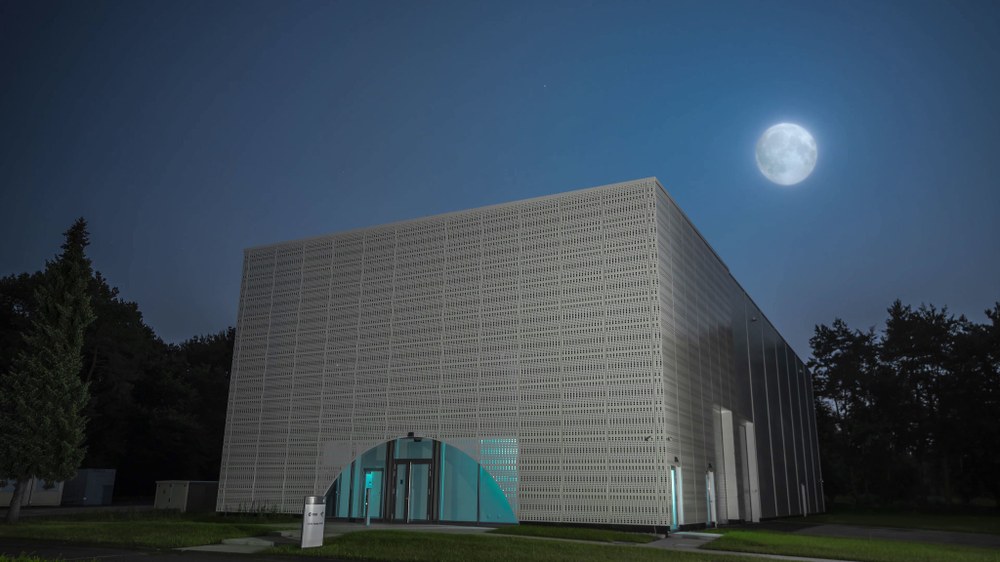
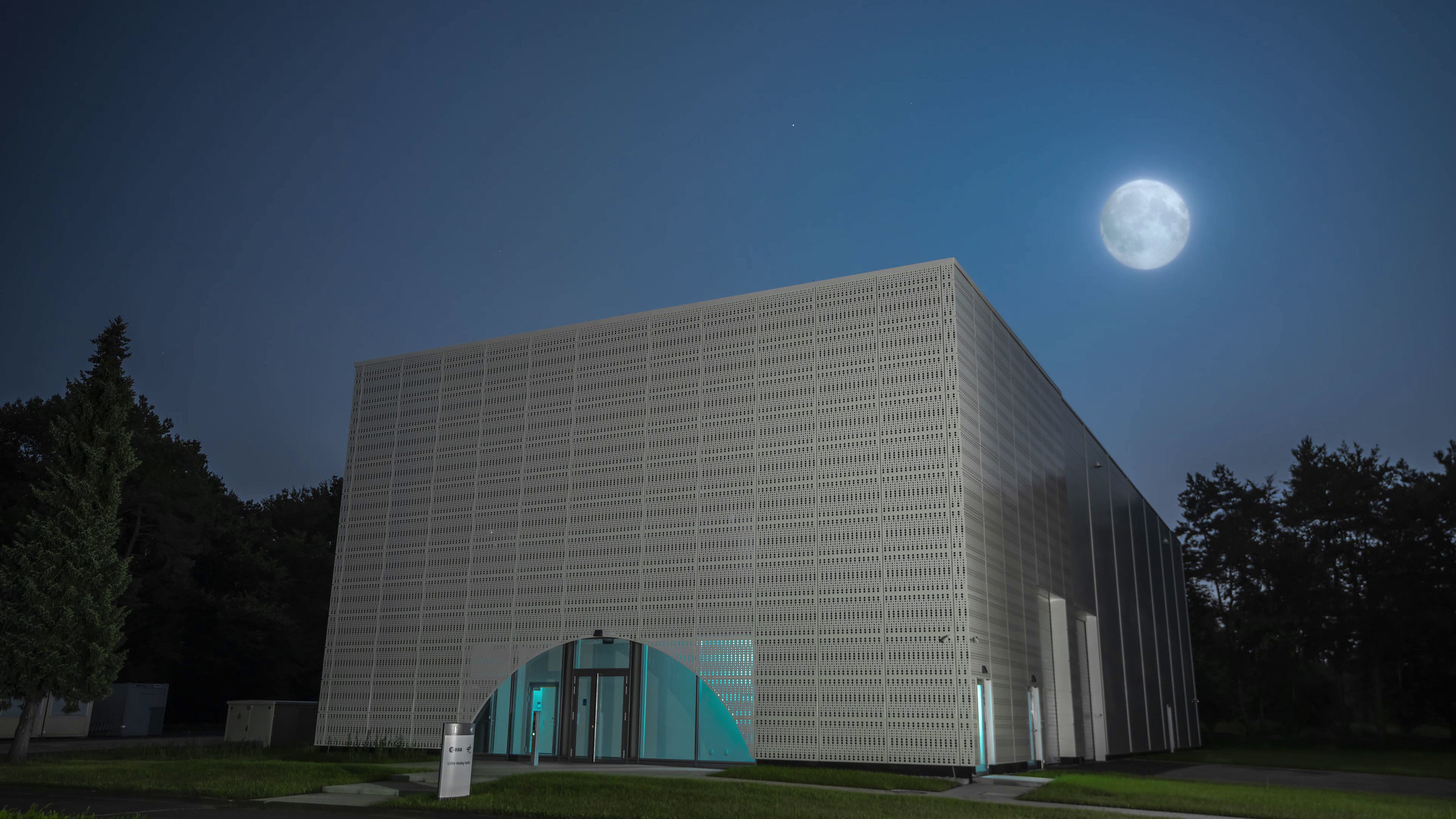
The Moon also exists on Earth – at DLR's site in Cologne. LUNA is a globally unique training facility in which crewed and robotic missions to the Moon can be prepared in a realistic environment. The facility is a joint project of DLR and ESA. Covering an area of approximately 700 square metres, it also features an adjacent technology centre and provides research institutions, industry and start-ups with a lunar analogue platform for testing new technologies.
Research in microgravity is an important component of many future technologies. With MAPHEUS®, DLR operates a sounding rocket programme that regularly enables easily accessible, efficient and cost-effective experiments in microgravity. Since the 1960s, DLR's Mobile Rocket Base (MORABA) has been enabling scientific sounding rocket missions. Alongside NASA, MORABA is the only institution in the Western world with the capability, experience and infrastructure to prepare and conduct launches worldwide. DLR operates the facility, conducts the flights and also enables DLR's own scientific research groups to conduct experiments during the approximately six minutes of microgravity.
To enhance safety in orbit, DLR is presenting, among other things, APPARILLIO® (Autonomous Passive Optical Staring Of LEO Flying Objects). The compact, mobile system is equipped with a sensitive, high-resolution astronomical camera and a wide-angle lens. It can autonomously capture and analyse images of objects in low Earth orbit from the ground. This enables the detection of satellites or space debris – an important foundation for space situational awareness, collision avoidance and the protection of German and European infrastructure in space.
Space radiation is a key research topic in DLR's space medicine work. A particular current topic is the measurement of radiation between Earth and the Moon. In April this year, a second set of DLR detectors flew to the Moon and back on board Artemis II, following the first Artemis mission at the end of 2022. Gaining a better understanding of the radiation environment is the first step towards developing appropriate protective measures for astronaut missions that are expected to become increasingly longer – such as those to and on the Moon, and eventually to Mars. A whole family of DLR M-42 dosimeters has now been developed for measuring space radiation.
The Martian Moons eXploration (MMX) mission, led by the Japanese space agency JAXA, is expected to launch towards Mars and its moons by the end of 2026. The Franco-German rover Idefix will be on board and is set to land on the Martian moon Phobos to carry out pioneering technological and scientific work. The rover, built by DLR in collaboration with the French space agency CNES, exemplifies DLR's internationally recognised expertise in robotics. A model of Idefix is on display at the ILA. The original is already in Japan for launch preparations.
The German-Brazilian small satellite project CO2Image is contributing to environmental monitoring from space. DLR is providing the COSIS spectrograph for the mission, which will capture images in the infrared range. In such thermal images, the two most important greenhouse gases – carbon dioxide and methane – become visible. Point sources of emissions include coal and gas power stations, industrial plants, waste disposal sites and oil and gas extraction facilities. CO2Image will enable the monitoring and quantification of emissions from small and medium-sized sources from Earth orbit. Until now, this has not been possible independently.
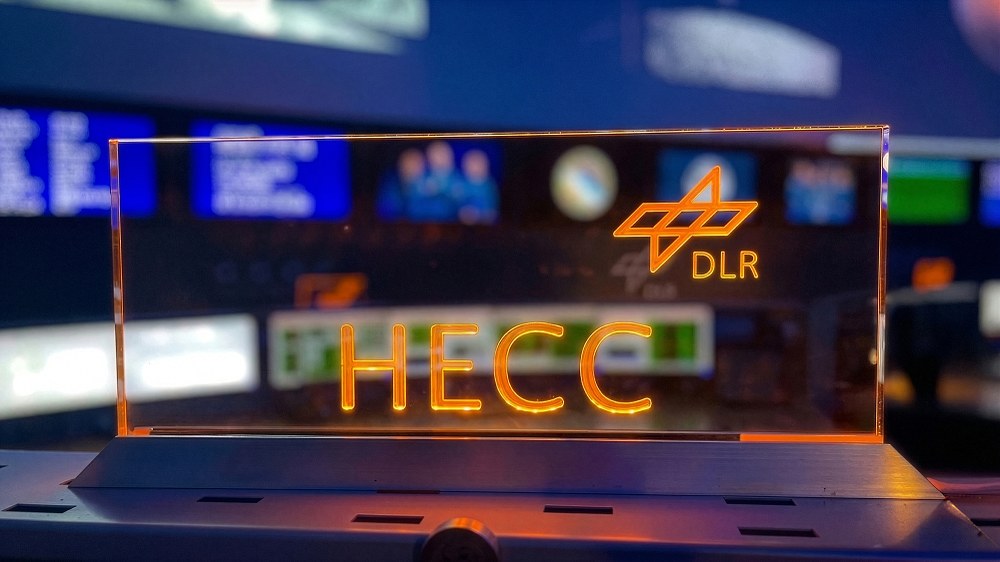
The Human Exploration Control Center (HECC) is being built at the Oberpfaffenhofen site
In February 2026, DLR received funding of 58 million euros from the Free State of Bavaria for the construction of the Human Exploration Control Center (HECC) at its Oberpfaffenhofen site. DLR is investing an additional 20 million euros from the institutional core funding provided by the federal and state governments. Construction is scheduled to begin in 2028, with the HECC set to begin operations in 2030.
In 2022, the German EnMAP (Environmental Mapping and Analysis Program) environmental satellite captured its first hyperspectral image of a strip approximately 30 kilometres wide and 180 kilometres long over Istanbul, Türkiye. The left-hand image shows a true-colour representation, which roughly corresponds to human colour perception, with this area scanned by the VNIR camera using nearly 50 individual fine channels. The centre image is a false-colour image from the VNIR camera, in which differences in vegetation – related to plant species and their condition, such as biomass and chlorophyll content – become visible in the near-infrared range. The right-hand image was captured by the SWIR camera in the short-wave infrared, revealing distinctive features in the soil and rock and allowing conclusions to be drawn about soil fertility. In March 2026, the satellite mission celebrated its fourth anniversary.
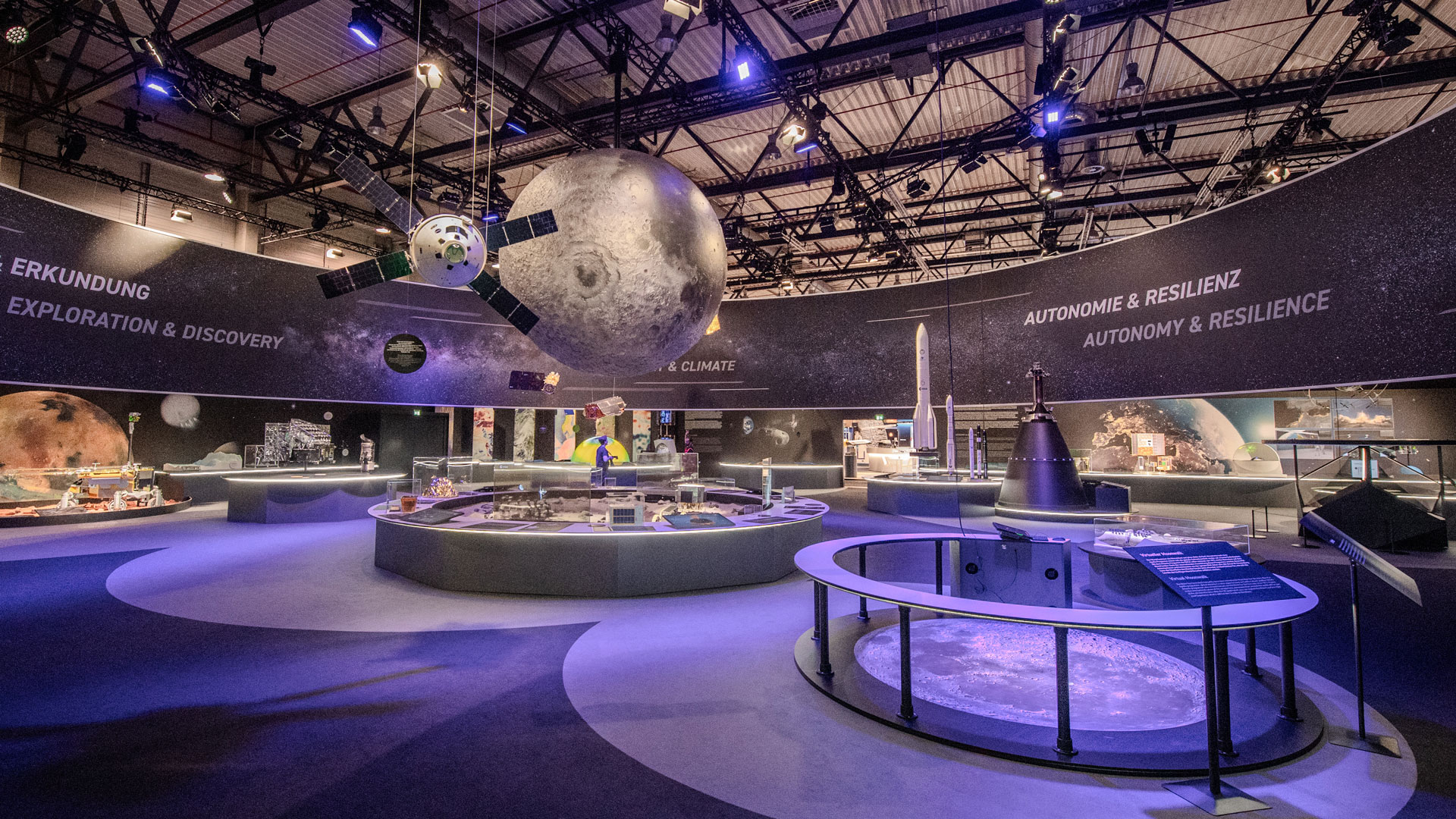
Under the motto 'Space4Future', the German Space Agency at DLR, DLR research, the BDLI and ESA are jointly presenting a wide range of exhibits on current topics in the German and European space sector, along with an extensive programme of stage events in the Space Pavilion at ILA 2026 – under the patronage of the Federal Ministry of Research, Technology and Space (BMFTR). Across 1500 square metres in Hall B, DLR is presenting 35 space topics – more than ever before. Here, visitors can take a virtual walk across the Moon beneath a giant lunar display, or learn about future technologies for producing hydrogen or creating solid structures from lunar sand (regolith).
A major future project for European spaceflight is the Human Exploration Control Center (HECC), which will be built at DLR's site in Oberpfaffenhofen. The facility is intended to serve as a control centre for future crewed and robotic space missions. The HECC builds on DLR's extensive experience with its German Space Operations Center (GSOC), which has, for example, been responsible for the operation of the European Columbus module on the International Space Station (ISS) for many years. With the HECC, DLR is expanding this expertise and strengthening its role in forthcoming exploration missions to the Moon, Mars and beyond.
The topic of space safety is illustrated by the Space Situational Awareness Centre in Uedem. Staff from the German Space Agency at DLR and the German Space Command work together to protect space infrastructure by assessing critical close approaches by other objects, while keeping authorities and the Bundeswehr (German Armed Forces) informed about the situation in near-Earth space. A touch table in the Space Pavilion offers visitors a glimpse into the work of the Space Situational Awareness Centre.
The PLATO space telescope, due to launch in 2027 to search for Earth-like planets, is a fascinating exhibit in the Space Pavilion. The benefits of space for people on Earth are also illustrated through numerous examples. The GRACE Earth observation mission, for instance, helps to determine the global water balance and the rate of melting of the Greenland ice sheet as accurately as possible – an important contribution to the Intergovernmental Panel on Climate Change reports. Satellites such as Heinrich Hertz are helping to improve our telecommunications.
The Space Pavilion will also feature DLR's research and test facility in Lampoldshausen, dedicated to space propulsion systems. Since 1959, DLR and industry have been jointly researching, developing and testing new liquid-chemical propulsion systems and environmentally compatible propellants for the future of European spaceflight. Lampoldshausen brings together unique test facilities and DLR's expertise in engine development, where technologies such as the propulsion systems for Ariane 6 – Europe's independent access to space – are developed. This independent access is also secured through the development of new launch vehicles by private companies in a Europe-wide competition – the European Launcher Challenge (ELC) – which will be explained in a new hologram display.
During the public days at the weekend, the programme will be further expanded with an extensive and engaging stage programme that will offer deeper insights into all of these space-related topics and more.
DLR@ILA – up close
In addition to exhibits and selected highlights from DLR's research infrastructure, ILA 2026 offers numerous opportunities to speak with DLR experts about the diverse topics from aviation, space, security, defence, innovation and technology transfer. This year, DLR's recruitment team will be present at the usual ILA Berlin Talent Hub, as well as in the recruitment container. Here, visitors can find out about current vacancies and career paths in the wide-ranging world of DLR.