DLRmagazine 179 (March 2026)

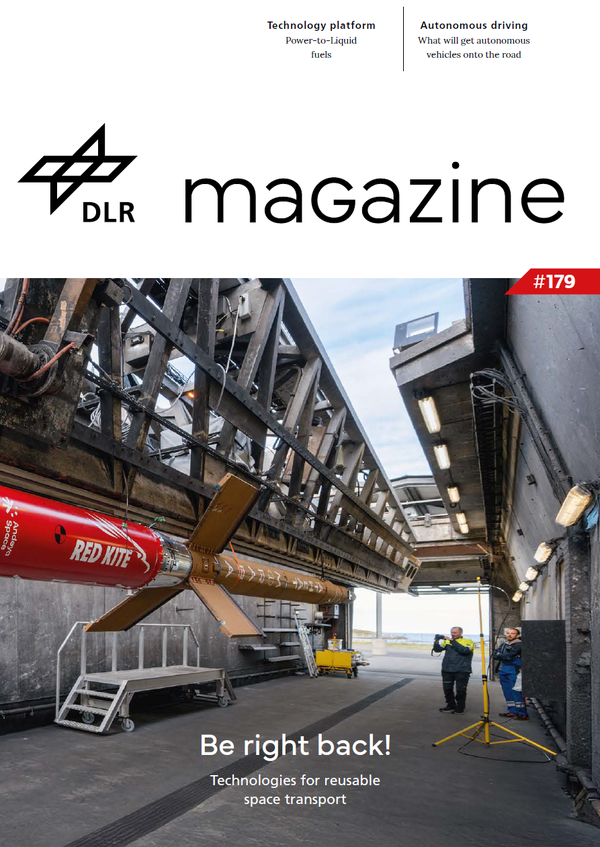
Technologies for reusable space transport

Be right back!

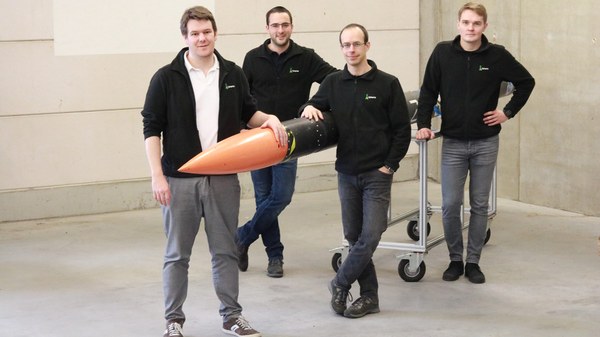
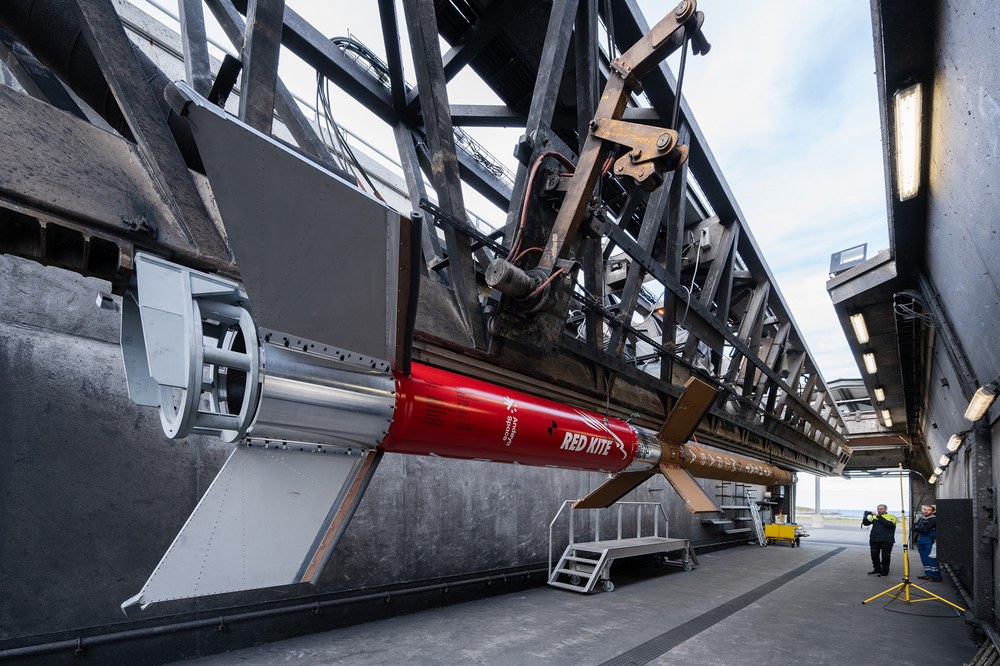
The ATHEAt research rocket, shown here awaiting its launch in Andøya, Norway, is 13.5 metres long. It is powered by two engines: the lower stage, known as RED KITE, is a very powerful solid rocket motor developed by DLR in cooperation with the company Bayern-Chemie. The second stage uses a Canadian 'Black Brant' rocket motor. This combination is particularly well suited for microgravity and hypersonic research. The payload sits at the tip of the rocket, serving both as a research experiment and a heat shield. With ATHEAt, DLR is investigating reusable components for space transportation vehicles, including the challenges associated with atmospheric re-entry.
What drives us…

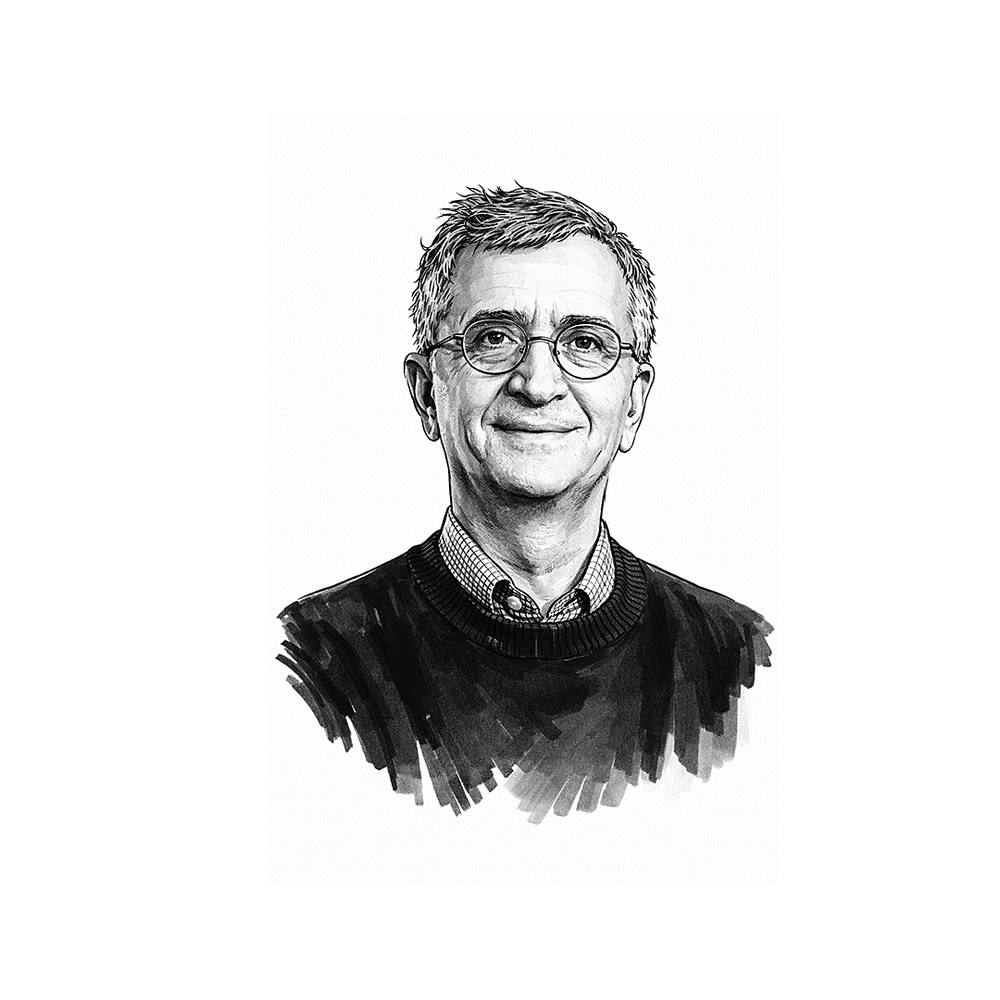
Ali Gülhan
DLR Institute of Aerodynamics and Flow Technology

"Campaigns like ATHEAt give everyone involved – and especially our early-career researchers – a unique opportunity to actively help shape cutting-edge spaceflight technology."

Christoph Arndt
DLR Institute of Combustion Technology

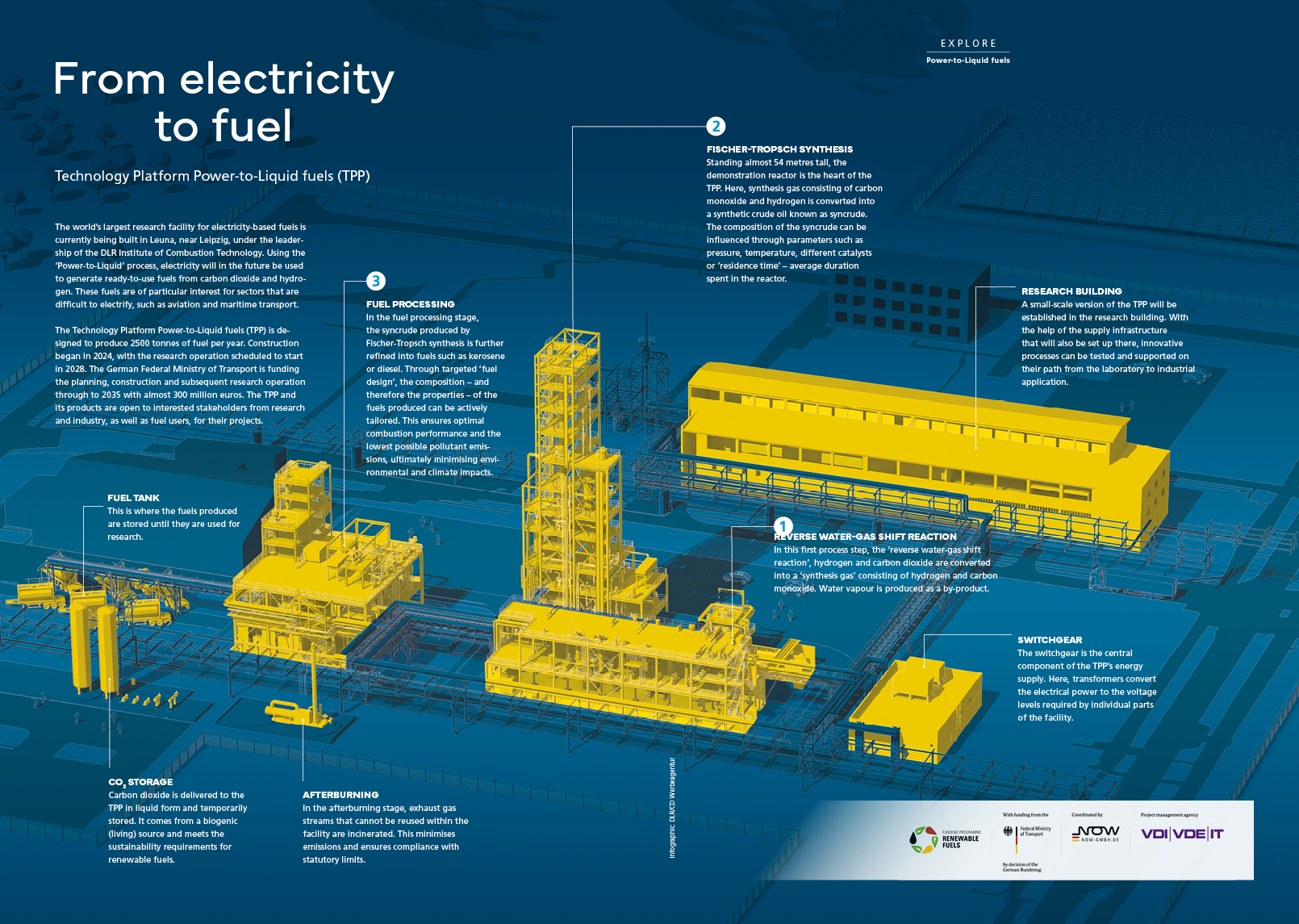
"Aviation of the future needs sustainable fuels to take off. That's why I'm delighted that the TPP in Leuna is now becoming a reality and helping to make aviation a little more climate-compatible."

Anneke Hamann
DLR Institute of Flight Guidance

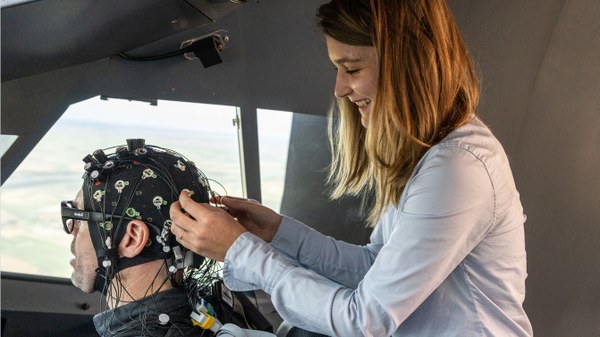
"I'm lucky to work at the interface of two very fascinating research subjects: brains and aircraft. Not many people can say that."

Max Friedrich
DLR Institute of Flight Guidance

"A few years ago, in an interview, I was asking whether a human could Control several aircraft at the same time. Today, we can not only demonstrate this in simulations, but show it live."

Read more in Safely deployed

More content

Contact

Editorial team DLRmagazine

German Aerospace Center (DLR)
Corporate Communications
Linder Höhe, 51147 Cologne